100-Piece Quick-Release Oscillating Blades: Wood/Metal
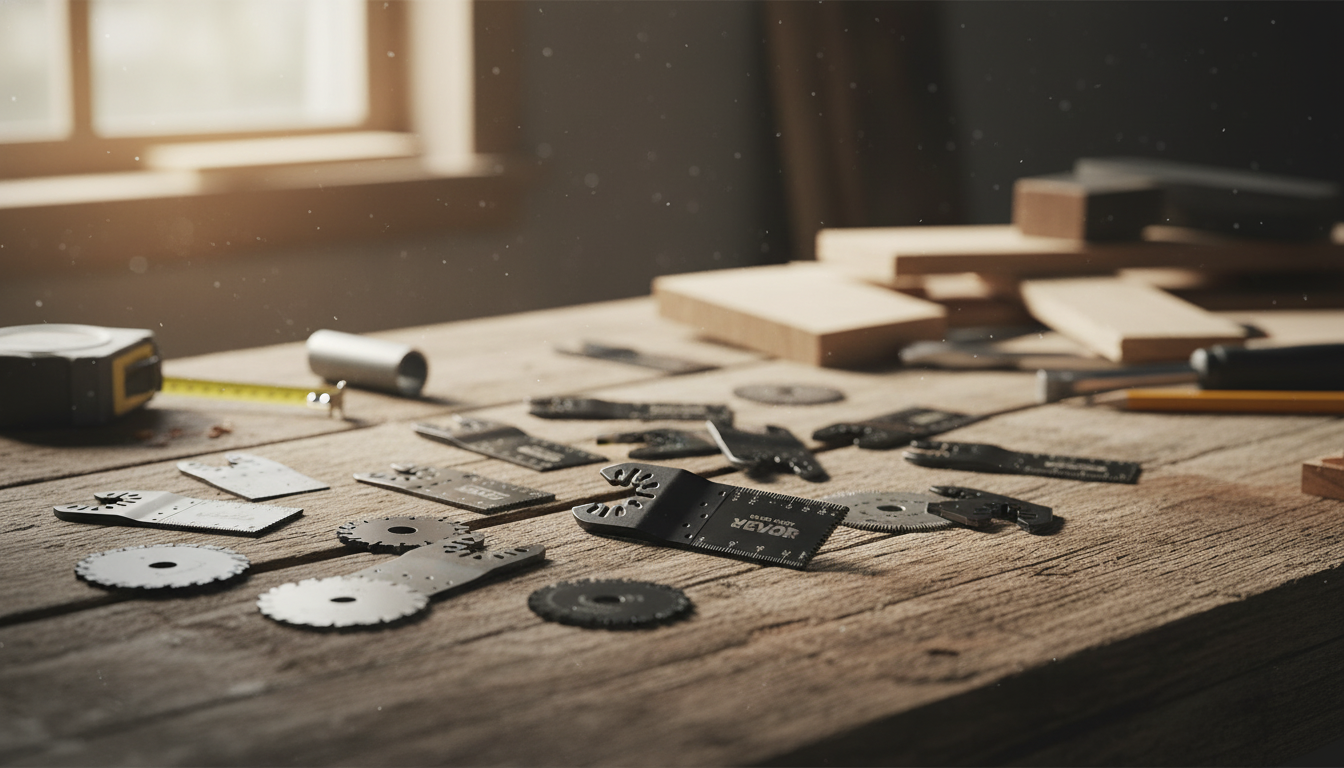
100-Piece Quick-Release Oscillating Saw Blade Set for Wood, Plastic & Metal
A big oscillating blade kit can take a lot of friction out of everyday multitool work—especially when a project jumps from trim to PVC to an unexpected nail. A 100-piece quick-release set is built for that reality: a ready mix of blade styles for plunge cuts, flush trimming, scraping, and light metal cutting, organized so swaps are fast and momentum stays high.
What’s Included and What Each Blade Type Is For
This kind of mixed assortment is designed to cover the most common multitool jobs: cutting, trimming, and flush work in wood and plastic, plus occasional light metal cuts. The higher piece count also means more “fresh edges” on hand—useful when switching materials or when a blade dulls mid-task and clean results matter.
Quick-release style blades are aimed at multi-step workflows where you cut, test-fit, adjust, and cut again. Instead of pushing a dull blade or stopping to hunt for the right style, you can rotate to the proper blade and keep the cut quality consistent.
| Blade style | Best for | Typical materials | Notes |
|---|---|---|---|
| Wood/plastic plunge-cut blade | Fast plunge cuts, straight trimming | Softwood, hardwood, plywood, PVC | Use light pressure to avoid heat and wandering |
| Bi-metal/metal-cut blade | Cutting nails, screws, thin stock | Non-hardened fasteners, thin sheet metal | Go slow; heat is the main limiter |
| Flush-cut blade | Cutting close to a surface | Wood, laminate, plastic, light metal | Keep the shoe/face steady to prevent gouging |
| Segment/half-moon blade | Long straight cuts, flooring/door jambs | Wood, laminate, PVC | Great for controlled, shallow depth cuts |
| Scraper blade | Adhesive and residue removal | Glue, caulk, paint residue | Low angle works best; avoid digging into soft surfaces |
Quick-Release Fit and Multitool Compatibility
Quick-release blades are made for tools that support tool-free blade changes. Compatibility still depends on the mounting interface: some oscillating tools are “universal-fit,” while others require a specific mount pattern or an adapter. Before buying, compare the blade mount to your tool’s clamp type and confirm whether your multitool accepts quick-release blades without extra hardware.
A secure mount is more than convenience. It reduces vibration and helps the blade track where you aim—especially during plunge starts and flush trimming, where even small movement can widen a kerf or scuff a finished surface.
Performance on Wood and Plastic
For trim, plywood, and general wood cuts, the cleanest results usually come from a controlled start. Begin slowly to establish a shallow kerf, then increase speed once the blade is tracking straight. This reduces wandering and keeps the cut line crisp—particularly on face trim and casing where the edge will be visible.
Plastics like PVC cut well with an oscillating tool, but heat management is the difference between clean chips and melted smears. Moderate speed helps reduce softening at the cut edge. If chips begin to melt or stick, pause briefly to cool the blade and clear debris, then continue with lighter pressure.
On delicate surfaces (laminate, finished trim, painted baseboards), masking tape along the cut line can help minimize scuffing from the blade body and improve line visibility. When accuracy matters more than speed, mark your depth and stop short—then finish with a second pass instead of forcing one deep plunge.
Performance on Metal and Mixed-Material Cuts
Oscillating tools shine on “awkward” metal cuts—tight corners, close-to-surface trimming, and embedded fasteners—rather than heavy stock removal. Thin sheet metal and many non-hardened nails or screws are realistic targets; thicker metal builds heat quickly and accelerates wear.
To get better blade life on metal, use low-to-moderate speed and steady contact. Let the teeth work while you keep the tool stable, and take short cooling pauses. When practical, a small drop of cutting oil on exposed metal can reduce heat buildup and help the edge stay sharp longer.
Choosing the Right Blade for the Job (Fast Decision Guide)
Safety, Handling, and Blade Life Tips
Oscillating tools are compact, but they still throw fast chips—especially on metal and brittle plastics. Wear eye protection and keep the work area clear. OSHA’s general guidance on safe hand and power tool use is a solid baseline for jobsite habits: https://www.osha.gov/hand-and-power-tools.
For better cut accuracy, careful layout matters as much as the blade. Simple measurement discipline—clear marks, consistent reference edges, and double-checking critical dimensions—can prevent rework. For fundamentals on measurement and accuracy, NIST is a reliable reference: https://www.nist.gov/pml/weights-and-measures.
When a 100-Piece Set Makes Sense
In-Stock Picks
- 100-Piece Oscillating Saw Blade Set – Quick-Release Multitool Blades for Wood, Plastic & Metal
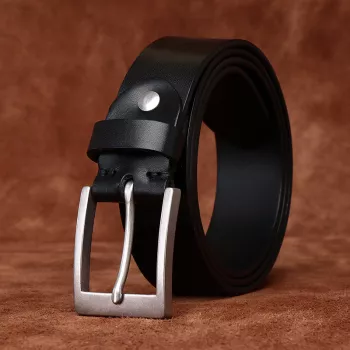
- Men’s Genuine Leather Belt – Classic 1.5 Inch Retro Business & Casual Strap
FAQ
Will quick-release oscillating blades fit any multitool?
Compatibility depends on your tool’s mounting system. Some multitools accept universal-fit blades, while others need a specific interface or an adapter, so it’s best to compare the mount shape and check your tool manual before buying.
Can these blades cut metal fasteners like nails and screws?
Yes—many non-hardened nails, screws, and thin metal can be cut with a metal-capable blade. Use slower speed, light pressure, and cooling pauses (and cutting oil when practical) because heat is the main limiter; hardened steel and thick stock are more difficult.
How can blade life be extended when cutting plastic and wood?
Use moderate speed, avoid forcing the cut, and make shallow passes to control heat. Keep the blade clean of resin or melted plastic, and swap to a fresh blade once cuts start to wander or scorch.














Leave a comment