Soft Toothbrush Set for Dogs & Cats: Daily Dental Care
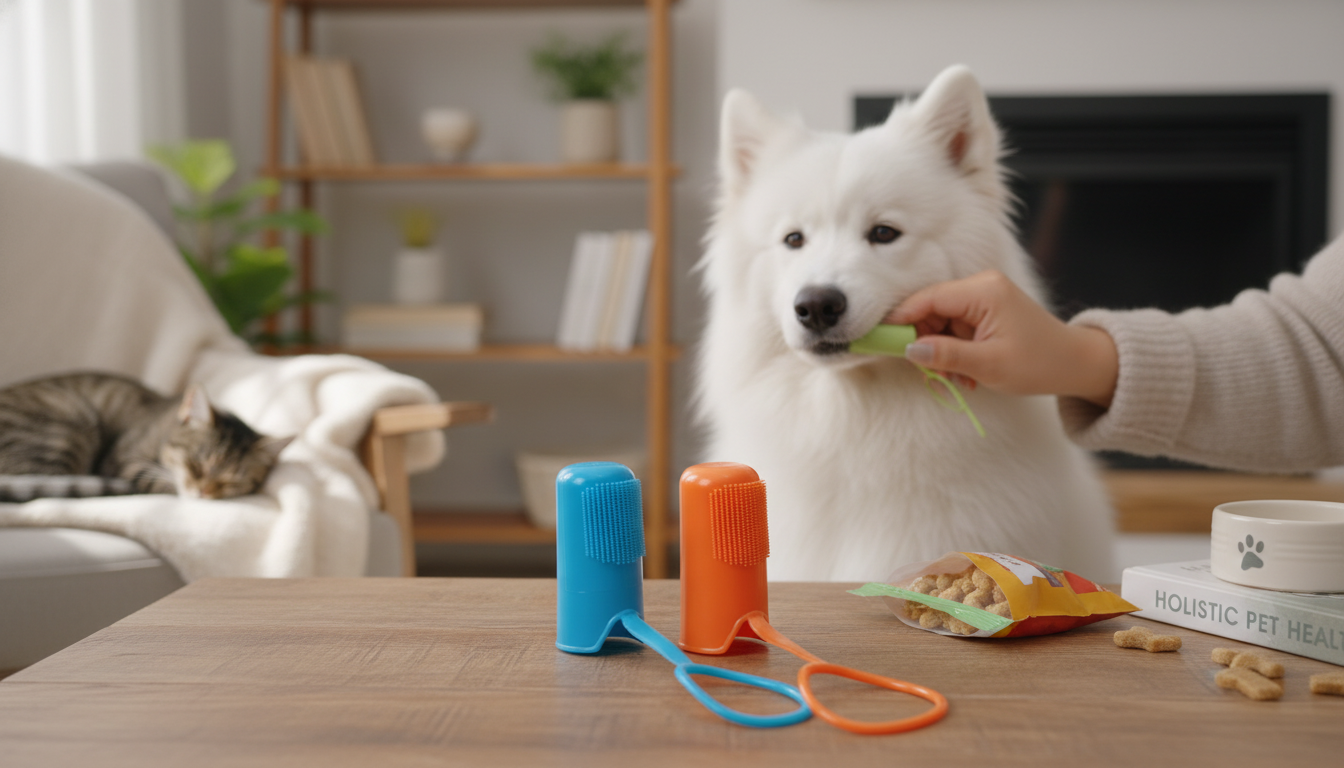
Soft Dog & Cat Toothbrush Set for Gentle, Everyday Pet Dental Care
Daily brushing is one of the simplest ways to support fresher breath and healthier gums for dogs and cats. A soft-bristle set helps make the routine more comfortable, especially for small mouths, sensitive pets, and beginners. With a calm approach and the right tools, even short sessions can make a meaningful difference over time.
Why brushing matters for dogs and cats
Pet mouths collect plaque just like ours. If that plaque sits on teeth, it can harden into tartar, which is much harder to remove at home and may contribute to gum irritation. Regular brushing helps disrupt that buildup before it becomes stubborn.
Consistent brushing also supports better-smelling breath by reducing odor-causing debris around the gumline and back molars. While brushing doesn’t replace veterinary dental exams, a steady home routine can reduce how quickly buildup returns and may lower the frequency of professional cleanings for some pets.
For a deeper look at dental care basics, these resources are helpful: American Veterinary Medical Association (AVMA): Pet Dental Care and AAHA: Dental Care Guidelines (Companion Animals).
What makes a soft toothbrush set easier to use
Many pets resist brushing because the sensation feels unfamiliar or too intense. Soft bristles can be more comfortable on sensitive gums and are often better tolerated by first-time brushers. A compact head also matters: it helps you reach the back teeth and along the gumline without forcing the jaw open wide.
A set format is practical because it’s easier to keep a spare brush for travel, swap in a fresh brush when bristles start to wear, or rotate brushes between pets for hygiene. If you’re building a routine from scratch, pairing a gentle brush with calm handling and pet-safe toothpaste usually creates the smoothest start.
| Feature | Why it helps | Best for |
|---|---|---|
| Soft bristles | Gentler contact on gums; easier acceptance for many pets | Sensitive gums, beginners |
| Small brush head | Improves access to back molars and tight spaces | Cats, small dogs, short snouts |
| Multiple brushes in a set | Backup on hand; replace more often for hygiene | Multi-pet homes, travel |
| Lightweight handle | Better control with small movements | Nervous pets, short sessions |
How to introduce brushing without stress
Successful brushing usually starts before the toothbrush ever touches a tooth. Begin with gentle handling: touch your pet’s cheeks, lift the lip for a second, then reward. Keep it brief and upbeat so your pet learns that mouth handling predicts something positive.
Next, let your pet taste a pet-safe toothpaste (never human toothpaste). Many pet toothpastes are flavored, which can turn the routine into something your dog or cat actually looks forward to. Then move to very short brushing windows—10 to 20 seconds—focusing on the outer tooth surfaces. Calm, small circular motions along the gumline are typically more comfortable than fast back-and-forth scrubbing.
If your pet becomes overwhelmed, stop and try again later with a smaller goal. Ending on a positive note (praise or a dental-appropriate reward) helps protect long-term progress more than pushing for a “perfect” session.
Step-by-step brushing routine (dog and cat friendly)
1) Pick a low-stress moment
Choose a quiet time when your pet is relaxed. After a walk, play session, or meal is often easier than trying to brush when your pet is energized.
2) Get positioned for control (not restraint)
For dogs, sitting or standing beside them often feels less confrontational than facing them head-on. For cats, a gentle towel wrap can help if needed—aim for security, not a struggle.
3) Aim at the gumline
4) Prioritize back teeth
5) Clean and replace for hygiene
How often to brush and when to replace the brush
Common mistakes to avoid
- Using human toothpaste: it may contain xylitol or fluoride levels not meant for pets.
- Scrubbing too hard: gentle pressure is usually enough to disrupt plaque at the gumline.
- Trying to open the mouth wide: brushing the outer surfaces is often sufficient, especially early on.
- Skipping acclimation: forcing brushing can create long-term resistance and make each session harder.
- Relying on chews alone: dental chews can support oral care, but they don’t fully substitute brushing. For vetted supplemental options, see VOHC: Accepted Products for Dogs and Cats.
Product spotlight: Soft Dog & Cat Toothbrush Set
If you’re ready to make brushing feel more manageable, the Soft Dog & Cat Toothbrush Set is designed for gentle daily use for both dogs and cats. It’s a practical option for starting (or rebuilding) a consistent dental routine, especially when paired with pet-safe toothpaste and gradual training.
For households working on overall puppy manners and handling skills, structured training can also make grooming routines—like toothbrushing—easier to teach. The New Puppy Training Starter Guide can complement daily care by helping reinforce calm, cooperative behaviors.
| Item | Details |
|---|---|
| Product | Soft Dog & Cat Toothbrush Set |
| Price | $6.01 USD |
| Availability | In stock |
FAQ
Can cats use the same toothbrush as dogs?
Yes, as long as the brush head fits comfortably and the bristles are soft. Smaller heads are typically easier for cats, and pet-safe toothpaste should always be used.
How long should each brushing session be?
Start with 10–20 seconds and work up to 1–2 minutes as tolerance improves. Focus on the outer tooth surfaces and back teeth where plaque often builds fastest.
What if my pet won’t tolerate brushing?
Back up to shorter sessions, return to desensitization (touch lips and cheeks first), and add rewards for calm behavior. If you suspect pain or your pet suddenly refuses after previously cooperating, a veterinary exam is important.















Leave a comment