Best Oscillating Blades for Cutting a 2×4 (2X4 Guide)
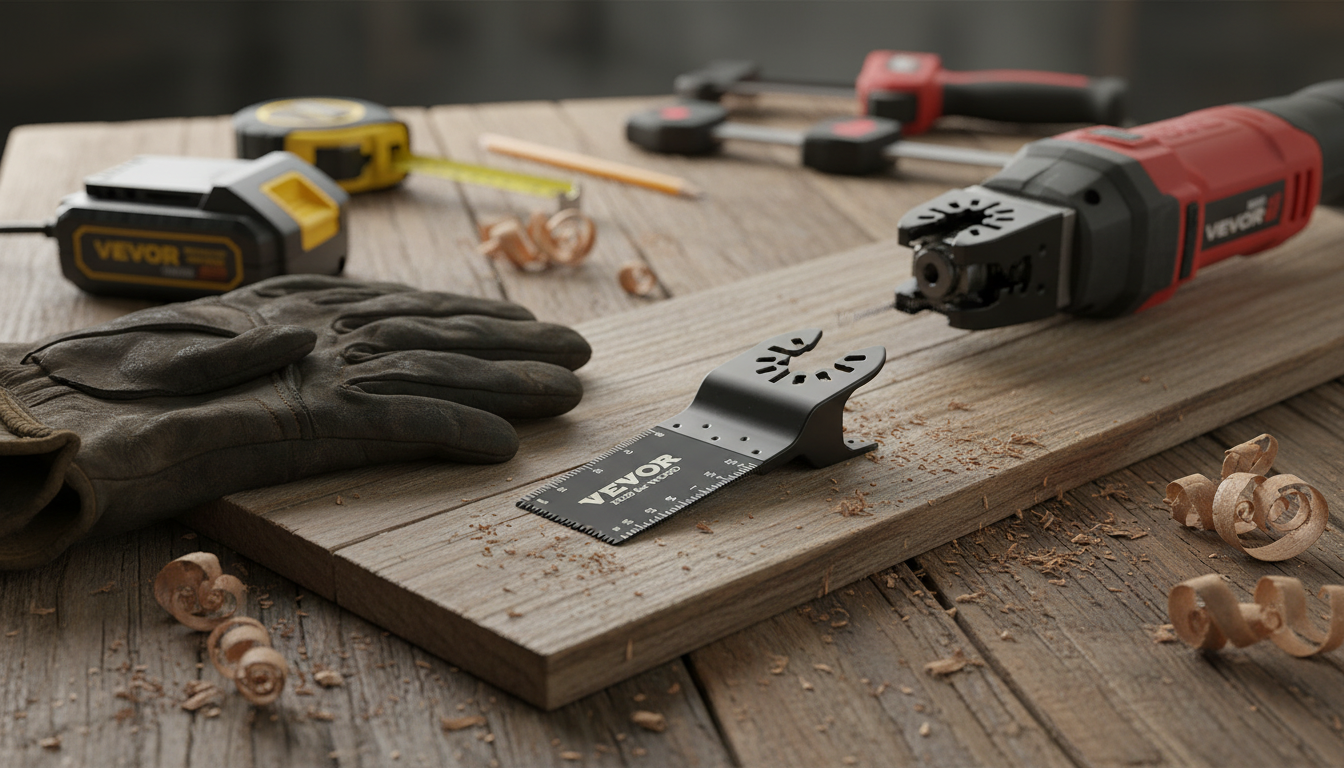
What oscillating blade is used to cut 2X4?
To cut a 2×4 with an oscillating multi-tool, use a wood-cutting oscillating blade with aggressive teeth and enough depth to reach through the board. The most practical options are a wide HCS (high-carbon steel) wood blade for fast cuts, or a bi-metal wood/metal blade when nails or fasteners might be hidden in the lumber. For cleaner work—like trimming a stud flush to drywall—choose a Japanese-tooth (flush-cut) wood blade, which leaves a smoother edge and is easier to control along a line.
Best blade types for 2×4 cuts
Wide wood blade (HCS): Ideal for speed on clean, nail-free framing lumber. The wider profile helps the tool track straighter and reduces wandering in thicker stock.
Bi-metal blade: The safer pick when you suspect nails, screws, or staples. It cuts wood well and tolerates occasional metal contact better than plain wood blades.
Japanese-tooth flush-cut blade: Great for finish-style trimming and plunge cuts where you want a tidy kerf. It’s slower than an aggressive HCS blade but typically cuts more cleanly.
How to get a better cut in thick lumber
Oscillating tools can cut a 2×4, but they work best for notches, trim-outs, and tight-access cuts—not high-speed crosscuts. Use a fresh blade, let the teeth do the work (don’t force it), and make a shallow scoring pass before going deeper to keep the cut on track. If you hit resistance or burning, back out briefly to clear dust and reduce heat.
For a quick overview of blade styles and when to use each, see the full guide here: 100-piece quick release oscillating blades set guide.
For Best Oscillating Blades for Cutting a 2×4 (2X4 Guide), the best answer depends on fit, material, care instructions, and how the product will be used day to day.
FAQ
Can an oscillating tool cut nails in a stud?
Yes—use a bi-metal or metal-cutting oscillating blade. Go slow, keep the blade flat, and expect the cut to take longer than wood.















Leave a comment