Reflective Adjustable Dog Harness: Fit & Safety Guide
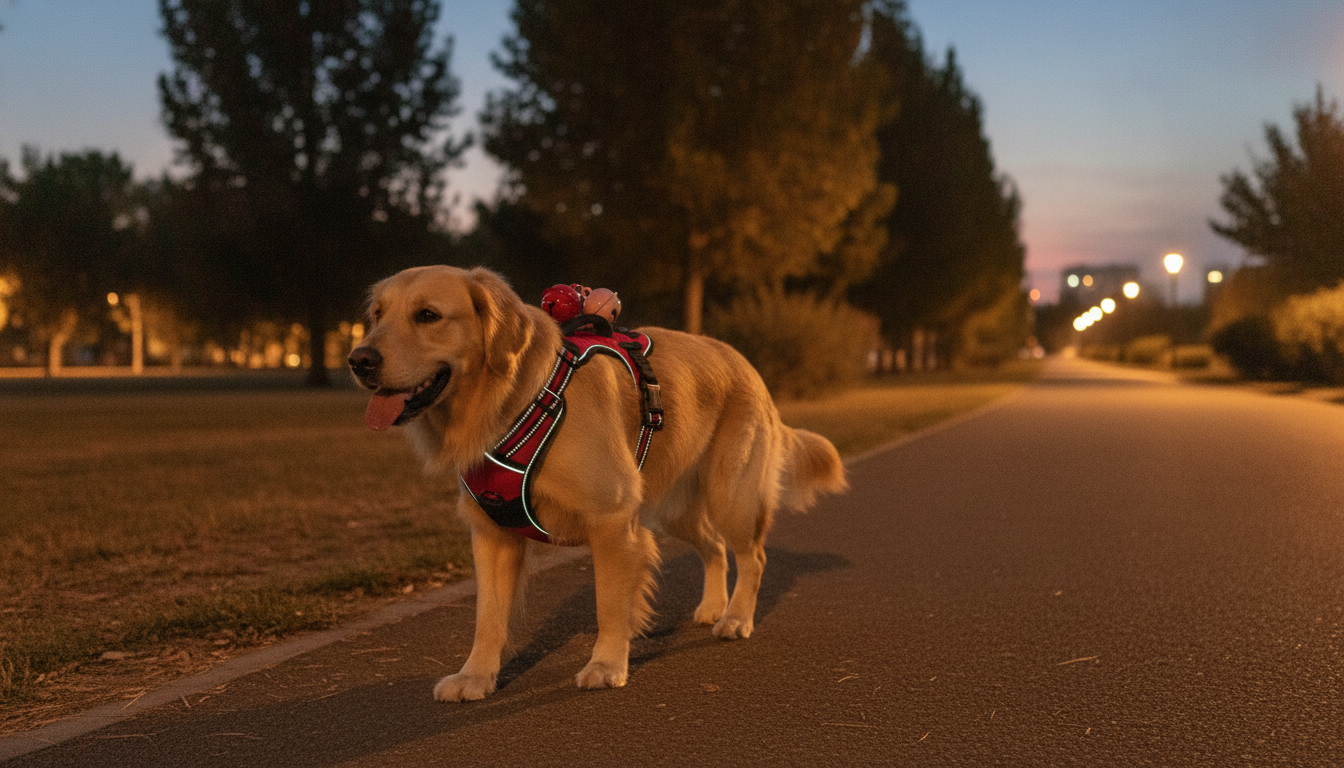
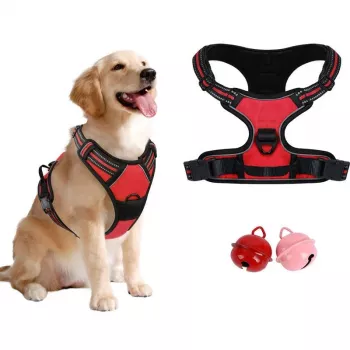
Adjustable Reflective Dog Harness for Small to Large Breeds
A well-fitted harness can make daily walks calmer, safer, and more comfortable—especially during low-light outings. This adjustable reflective harness is designed to fit a wide range of body shapes, offering secure control without putting pressure on a dog’s neck. With the right sizing and a few simple safety checks, a dependable harness can quickly become the everyday go-to for neighborhood strolls, quick potty breaks, and longer weekend walks. For more guidance, see Top 10 Dog Harnesses for Comfort and Safety How to Choose?.
Why a Harness Can Be a Better Choice Than a Collar
For many dogs, a harness offers a more stable, body-friendly way to walk on leash. Instead of concentrating force at the throat, a properly fitted harness helps spread pressure across the chest and shoulders—especially helpful for dogs that tend to pull, lunge, or startle. For further reading, see Dog Harnesses – VITAL VET REVIEW.
- Helps distribute pressure across the chest and shoulders instead of concentrating it on the throat
- Provides steadier handling for dogs that pull, lunge, or get startled on walks
- Can reduce the chance of a dog backing out compared with many collar setups when properly adjusted
- Often preferred for small breeds, brachycephalic breeds, and dogs prone to coughing on leash
For general walking guidance and leash habits, the ASPCA’s tips on walking your dog can help build a safer routine alongside better-fitting gear.
Key Features to Look For in an Adjustable Reflective Harness
Not all harnesses are built the same. When choosing an adjustable reflective option for everyday use, focus on fit flexibility, visibility, and hardware strength. Small details—like soft edging near the underarms—can make a big difference over time.
- Multiple adjustment points to fine-tune fit as coat length and weight change
- Reflective elements that catch light from headlights and streetlamps for better visibility
- A secure buckle system that’s easy to fasten but resists accidental release
- Strong attachment hardware for the leash clip point
- Padding or soft edging to help prevent rubbing behind the front legs
Feature Checklist for Everyday Walks
| Feature | Why it matters | What to check before buying |
|---|---|---|
| Adjustability | Improves fit for different body shapes and sizes | Neck and chest straps should tighten without digging in |
| Reflective detailing | Helps drivers and cyclists notice your dog sooner | Reflective strips or stitching visible from multiple angles |
| Comfort edges/padding | Reduces chafing during longer walks | No rough seams near armpits or chest |
| Secure leash attachment | Prevents clip failure during sudden pulls | Metal D-ring or reinforced attachment point |
| Easy on/off | Makes daily use faster and less stressful | Buckles that click firmly and straps that don’t twist |
Getting the Right Fit for Small to Large Breeds
Fit is where a good harness becomes a great one. Before selecting a size, measure the widest part of your dog’s chest (girth) and the lower neck area. If you need a refresher on measuring, the American Kennel Club’s guide on how to measure your dog offers a clear starting point.
- Measure the widest part of the chest (girth) and the lower neck area before selecting a size
- Aim for the “two-finger rule”: straps should be snug but allow two fingers to slide under comfortably
- Check for rubbing points behind the front legs after a short walk and adjust as needed
- Re-check fit periodically for growing puppies, seniors losing weight, or seasonal coat changes
- For escape-prone dogs, prioritize a snug, well-balanced fit and confirm the dog cannot reverse out of the harness
A harness should sit centered on the body and stay stable as your dog turns, pauses, and sniffs. If it consistently twists, it’s usually a sign that one strap is tighter than the other—or the overall size isn’t ideal.
Reflective Visibility and Night-Walk Safety
Reflective details can be a major upgrade during early-morning or evening walks, but it helps to know how reflective materials work. They shine when light hits them—like headlights, streetlamps, or a flashlight—then bounce that light back toward the source. The FDA’s overview on reflective clothing explains why visibility improves most when reflective surfaces are illuminated.
Comfort and Durability for Daily Use
How to Put It On and Adjust It Correctly
Care and Maintenance
When This Style Works Especially Well
Featured In-Stock Picks
- Adjustable Reflective Dog Harness for Small to Large Breeds — a practical choice for daily walking with visibility support and adjustable fit.
- Vintage Glass Pendant Light with LED Compatibility for Indoor and Outdoor Spaces — a porch or entryway lighting upgrade that can make leashing up and gear checks easier after dark.
- Liu Jo Women’s Blue Plain Jeans – Spring/Summer Denim — a durable, everyday option for regular walks and errands.
- Only Women’s Blue Organic Cotton Skirt — a lightweight alternative for warm-weather walks.
FAQ
How tight should a dog harness be?
Use the two-finger rule under each strap: it should be snug enough that the dog can’t back out, but not so tight that it restricts movement or causes rubbing. After a short walk, check behind the front legs for any irritation and adjust.
Do reflective harnesses work in complete darkness?
Reflective material needs a light source to shine back, so it won’t “glow” on its own in total darkness. For the best visibility, pair reflective details with a clip-on LED or a lighted collar.
Can a harness stop pulling?
A harness can improve control and reduce neck pressure, but pulling usually improves most with leash training, consistent handling, and the right walking setup. Combine a stable harness fit with reward-based practice for the most reliable results.














Leave a comment