Minimalist Japanese Coffee Table: Warm Wood, Quiet Space

Minimalist Japanese Coffee Table: A Calm Wooden Centerpiece for Home
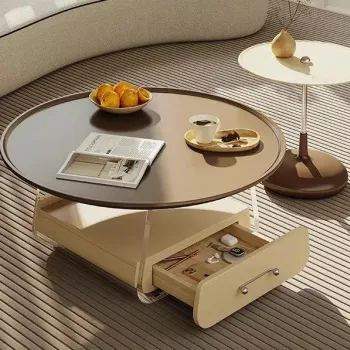
A minimalist Japanese coffee table can set the tone for an entire room: grounded, uncluttered, and quietly warm. With natural wood grain, a low-profile presence, and a focus on negative space, this style supports a living area that feels intentional—whether the table is holding a single ceramic cup, a small ikebana arrangement, or nothing at all.
What defines the minimalist Japanese look
The minimalist Japanese aesthetic tends to feel calm because it relies on proportion, restraint, and the comfort of natural materials rather than decorative excess. The coffee table often becomes the “quiet center” that helps everything else feel settled.
- Low, grounded silhouettes that visually “settle” the room rather than dominate it
- Natural materials (especially wood) with an honest finish that highlights grain
- Balanced proportions and clean lines with minimal hardware and ornamentation
- A sense of ma: leaving breathing room around objects so the table feels like a pause, not clutter
- Neutral pairings that complement wood tones—linen, wool, paper-like textures, and matte ceramics
For a deeper look at how Japanese spatial principles influence interiors, see Encyclopedia Britannica’s overview of Japanese architecture.
Why a wooden centerpiece changes the feel of a space
Wood shifts a room’s mood in a way that’s hard to replicate with glass or metal. Even a simple rectangle can feel rich because the material itself carries nuance.
- Wood adds visual warmth, softening modern interiors that rely on glass, metal, or stark paint
- Grain patterns add subtle movement, making the table interesting even with minimal decor
- One strong anchor piece reduces the need for extra accessories, helping surfaces stay clearer
- It works with both warm and cool palettes: oak-like tones brighten; walnut-like tones deepen
If you enjoy learning how different wood species vary in appearance and durability, The Wood Database is a helpful reference for general characteristics and grain patterns.
Placing a minimalist coffee table for a calm layout
Placement matters as much as the table itself. A low table that’s squeezed into a tight gap can feel fussy, while the same piece with clear space around it reads as serene and deliberate.
- Keep clear walking paths: aim for comfortable circulation around seating and corners
- Center the table to the main seating line, then “float” decor toward one side to preserve open space
- Use a rug to frame the zone; choose low-contrast patterns to avoid visual noise
- For small rooms, prioritize legroom and edges that won’t feel bulky next to the sofa
Coffee table spacing and sizing guide
| Room / Seating Setup | Suggested Table Length | Distance from Sofa Edge | Notes for a minimalist look |
|---|---|---|---|
| Compact sofa (2–3 seat) in a small living area | 36–44 in (91–112 cm) | 14–18 in (36–46 cm) | Choose a slimmer profile; keep decor to 1–2 items |
| Standard sofa (3 seat) with one accent chair | 44–54 in (112–137 cm) | 16–18 in (41–46 cm) | Use a tray to group essentials and maintain clean lines |
| Sectional seating | 54–66 in (137–168 cm) or nested pieces | 14–18 in (36–46 cm) | Consider a long, low rectangle to match the horizontal feel |
| Open-plan lounge with wide pathways | 54–72 in (137–183 cm) | 16–20 in (41–51 cm) | Leave generous negative space around the table for a serene focal point |
Styling ideas that stay minimal (without feeling empty)
Minimal doesn’t have to mean bare. The goal is to keep the tabletop readable: one cohesive moment, plus open space so the wood can breathe.
- Use a single “anchor” object: a ceramic bowl, a short vase, or a wooden tray
- Limit the palette to two materials (example: wood + ceramic) to keep the surface cohesive
- Choose low, horizontal arrangements that respect the table’s calm silhouette
- Hide everyday items in a lidded container rather than scattering remotes and coasters
- Rotate seasonal touches: one branch in winter, one small floral stem in spring, one stone or sculpture year-round
A helpful litmus test: if you remove one item and the table feels calmer, it probably didn’t need to be there.
Care and longevity for an aesthetic wooden finish
Natural-looking wood finishes tend to be forgiving day-to-day, but small habits make a big difference over time—especially on a surface that sees mugs, plates, and occasional water drips.
A ready-made option for a minimalist Japanese centerpiece
If you’re looking for a straightforward way to anchor a calm living-room layout, Minimalist Japanese Coffee Table – Aesthetic Wooden Centerpiece for Home is designed to function as a quiet focal point while still supporting daily use. It tends to look best with low-profile seating, neutral textiles, and a restrained tabletop arrangement.
More in-stock picks to complement a pared-down lifestyle
- Men’s Genuine Leather Belt – Classic 1.5 Inch Retro Business & Casual Strap
- Elegant French Burgundy Velvet Long-Sleeve Banquet Dress for Autumn
- New Puppy Training Starter Guide | Printable Puppy Training eBook for Beginners
FAQ
How far should a coffee table be from the sofa?
Typically around 14–18 inches (36–46 cm) from the sofa edge for comfortable reach and legroom. Adjust slightly based on room traffic and seat depth so it’s easy to walk through without feeling cramped.
How do you keep a minimalist coffee table from looking cluttered?
Limit decor to 1–3 items, group essentials in a tray or lidded container, and leave visible empty space so the surface reads as intentional rather than busy. If it takes more than a few seconds to clear the top, it’s probably too much.
What decor pairs best with a Japanese-inspired wooden coffee table?
Matte ceramics, a small ikebana-style vase, a simple wood or stone object, and neutral textiles pair well. Keep heights low and colors restrained so the table remains calm instead of competing with the room.










Leave a comment