Elevated Ceramic Pet Bowl & Wood Stand for Tidy Meals
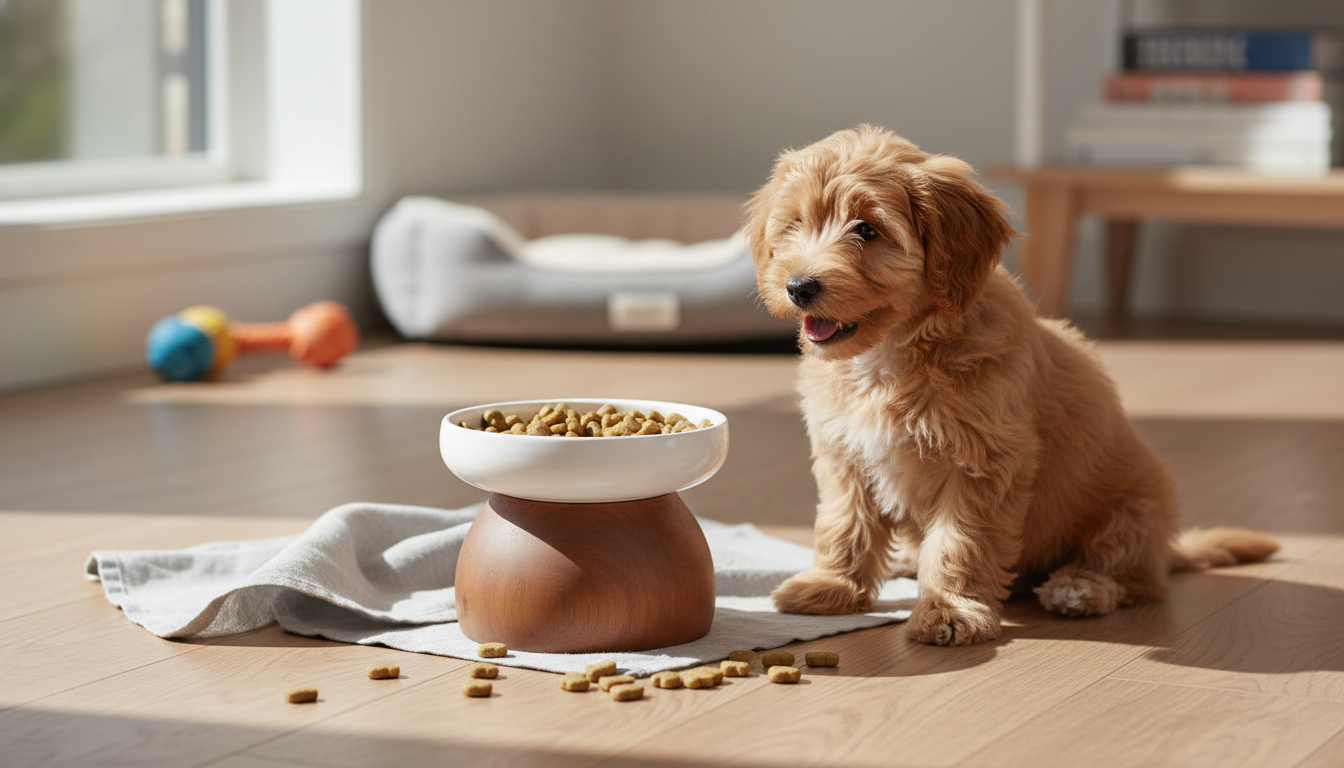
Elevated Ceramic Pet Bowl with Solid Wood Stand: A Clean, Calm Feeding Station
An elevated feeding setup can make mealtimes neater and more comfortable—especially for pets that splash, push bowls around, or need a more stable station. An elevated ceramic bowl paired with a solid wood stand combines easy-to-clean materials with a sturdy footprint, helping create a simple daily routine that looks at home in kitchens, mudrooms, and dining nooks.
What It Is and Why It Works in Daily Routines
A raised feeding station is a small change that can make everyday pet care feel more organized. Instead of chasing a bowl that scoots across tile or getting surprised by water rings on the floor, a dedicated setup keeps everything anchored in one predictable spot.
- Elevated design keeps the bowl off the floor to reduce sliding and help contain spills in one area.
- Ceramic bowl provides a smooth, non-porous surface that’s simple to rinse and wipe clean.
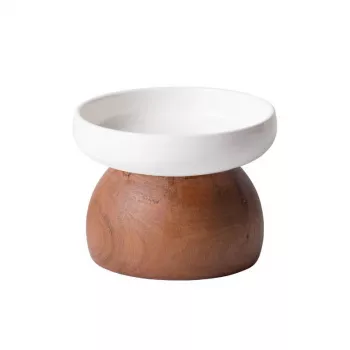
- Solid wood stand adds stability and a furniture-like look that blends into kitchens and living spaces.
- A designated feeding station can support consistent meal habits and reduce “bowl chasing” across the floor.
For many households, the biggest benefit is friction-free repetition: bowl goes in the same place, food and water are easy to monitor, and cleanup becomes quick rather than reactive. General pet care guidance from the American Veterinary Medical Association (AVMA) also emphasizes practical, consistent routines that support daily wellbeing.
Materials and Build: Ceramic + Solid Wood
Material choice matters because feeding gear gets used multiple times a day. Ceramic and solid wood are popular for a reason: ceramic is straightforward to sanitize, and a wooden stand adds weight and steadiness without the “clang” some pets dislike.
- Ceramic is often chosen for food and water because it’s easy to sanitize and less likely to retain odors compared with some plastics.
- Wood stands help keep the bowl in place and can reduce noise from metal-on-tile clatter.
- Look for a stand that sits flat with even contact—wobble can make some pets hesitant to eat or drink.
Care and handling by component
| Part | Best for | Care tips |
|---|---|---|
| Ceramic bowl | Food or water; easy daily cleaning | Rinse after each meal; wash regularly with mild dish soap; inspect for chips or cracks |
| Solid wood stand | Stability and a tidy feeding spot | Wipe with a slightly damp cloth; dry promptly; avoid soaking; use a mat under the stand if floors are sensitive |
If your pet is picky about dish smell, ceramic can be a practical upgrade because it tends to stay “neutral” when cleaned well. For broader nutrition and feeding best practices, the WSAVA global guidelines are a helpful reference point for pet owners.
Choosing the Right Size and Placement
The best feeding station is the one that fits your pet’s body and your home’s traffic patterns. A bowl that’s too small leads to frequent refills and messier pours; a station placed in a high-traffic area can make anxious pets rush, hover, or walk away mid-meal.
- Match bowl capacity to meal size: smaller bowls encourage fresher portions; larger bowls reduce refill frequency for water.
- Consider pet height and posture: the goal is a natural stance without forcing the neck to bend sharply down or reach up.
- Place the station away from busy foot traffic to help anxious or timid pets eat calmly.
- Use a washable mat under the stand if drips are common or if the area has slippery flooring.
A simple placement test: put the station where your pet can stand comfortably with all four paws planted and drink without stretching. If your pet repeatedly steps back and forward or bumps the stand, adjust the location or add a non-slip mat underneath.
Comfort and Safety Notes for Dogs and Cats
Elevated bowls can be a comfort upgrade for some pets, but comfort is individual. Age, body shape, mobility, and eating speed all influence what “works” at mealtime.
If bloat (GDV) is a concern for your dog’s breed or history, use veterinarian guidance for feeding strategies and review reputable background information such as the AKC Canine Health Foundation’s GDV overview. Regardless of bowl height, steady habits—measured portions, calm mealtimes, and fresh water—are a smart baseline.
Simple Cleaning Routine to Keep It Fresh
Product Snapshot
For a tidy, home-friendly feeding station that’s easy to maintain, the Elevated Ceramic Pet Bowl with Solid Wood Stand offers a simple combination: a smooth ceramic bowl paired with a stable wood base.
If you’re setting up a new routine—especially with a young dog—pairing a consistent feeding station with consistent training can make daily life smoother. The New Puppy Training Starter Guide can help structure the first weeks so meals, potty breaks, and short training sessions reinforce each other.
FAQ
Are ceramic pet bowls safe for everyday food and water?
Yes—intact, non-chipped ceramic is generally considered a practical choice because it’s easy to clean and less likely to hold odors. Wash it regularly and replace the bowl if you notice cracks or chips.
Do elevated bowls help dogs and cats eat more comfortably?
They can, especially for pets that dislike bending low or that seem more relaxed with a slightly raised dish. Choose a height that supports a natural, neutral posture, and ask a veterinarian for guidance if your pet has specific health concerns.
How do you keep a wooden bowl stand from getting water damage?
Wipe spills promptly, dry the base after cleaning, and avoid soaking the wood. Using a washable mat underneath and checking the underside for trapped moisture also helps prevent swelling or warping.









Leave a comment