750W vs 950W Airless Paint Sprayer: Faster, Smoother Coats
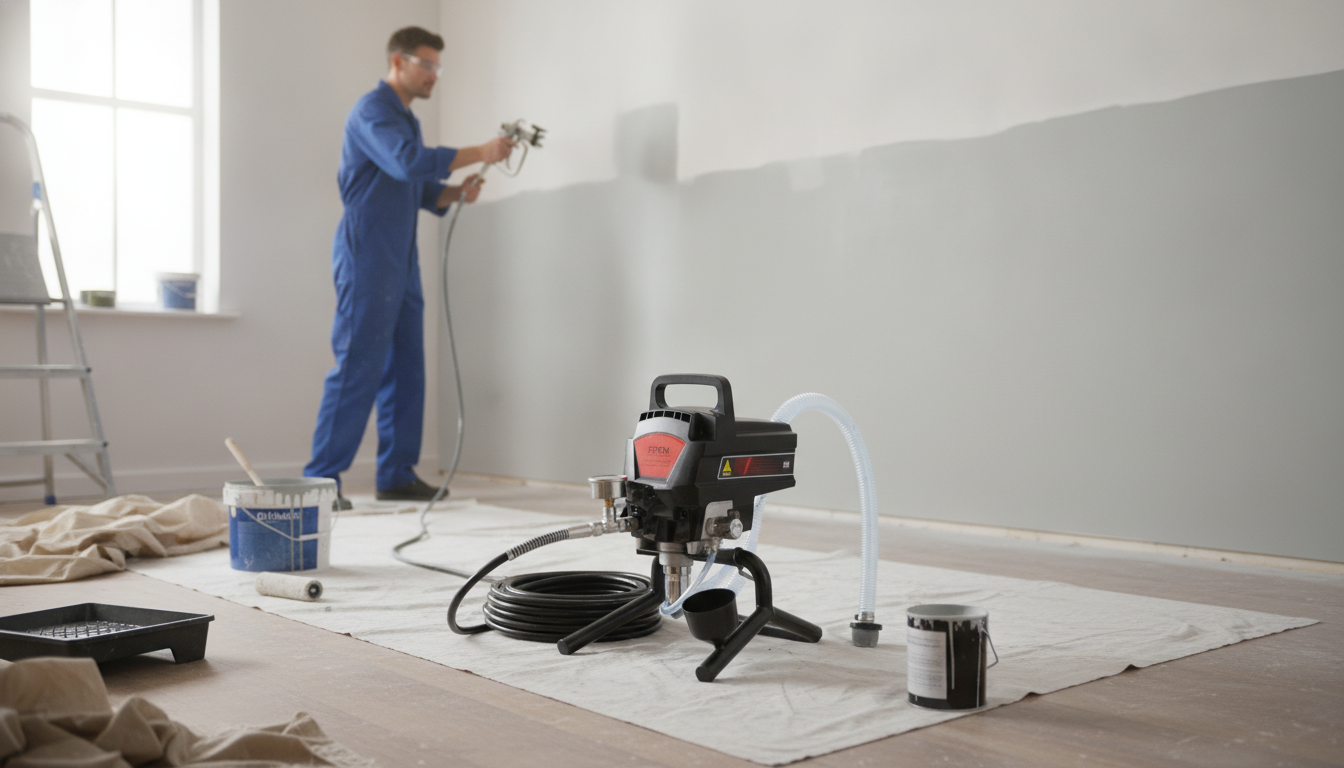
High-Efficiency 750W/950W Electric Airless Paint Sprayer: Fast Coverage for Walls, Fences, and More
A high-efficiency electric airless sprayer is built for quick, even coverage on large surfaces where brushes and rollers slow projects down. A 750W/950W class sprayer is a practical step up for repainting rooms, refreshing fences, coating siding, or keeping a workshop looking sharp. The key is understanding how airless pressure, tip choice, filtration, and technique work together—so you get smooth results without excessive overspray or downtime.
What an Electric Airless Sprayer Does Well
- Pushes paint at high pressure through a small tip opening to atomize and lay down a uniform fan pattern.
- Speeds up coverage on big, flat areas like interior walls, ceilings, siding, fences, decks, garages, and shop spaces.
- Handles thicker coatings better than many HVLP systems, often with less thinning depending on coating and tip choice.
- Produces a smooth finish when technique, filtration, and tip size match the coating.
Key Parts That Influence Finish Quality
- Motor wattage and pump design: Affects sustained pressure and how well the sprayer keeps up during continuous passes.
- Spray tip size and fan width: Determines flow rate, pattern width, and suitability for stains vs. paints vs. primers.
- Filters (gun/manifold/inlet): Reduce clogs and tip spits; finer filtration is important for smoother finishes.
- Hose length and diameter: Longer hoses add resistance; keeping runs reasonable helps pressure consistency at the gun.
- Pressure control: Fine adjustments help reduce overspray while maintaining good atomization.
750W vs. 950W: Practical Differences
Both power levels can produce clean results, but they can feel different under real workloads. A higher-wattage unit typically holds pressure more steadily with thicker coatings and longer passes, which can make large projects feel smoother and less interrupted. A 750W class sprayer can still perform strongly for occasional projects when the tip, filter, and pressure are dialed in.
- 950W class advantages: More stable spraying with thicker materials, faster pace on long runs, and better comfort for longer sessions.
- 750W class advantages: Strong results for smaller or occasional projects; great value when paired with correct tip/filtration and a steady technique.
Quick Comparison Guide (Typical Expectations)
| Area of use | 750W class | 950W class |
|---|---|---|
| Interior walls/ceilings | Good for most household paints with proper tip and pressure tuning | Excellent consistency for large rooms and multiple coats |
| Fences/decks (stains/semi-transparent) | Works well; focus on tip choice to avoid flooding | Faster pace; better stability on long runs |
| Primers and thicker coatings | Often workable with the right tip and filtration; may require slower pace | More comfortable for thicker materials and steady coverage |
| All-day use | Better for intermittent sessions | Better for longer sessions with fewer slowdowns |
Setup Steps for Cleaner Results
- Mask thoroughly: Overspray travels. Cover floors, fixtures, windows, and anything nearby that shouldn’t get misted (including vehicles in a garage/driveway).
- Strain paint: Even “ready-to-use” paint can hide small lumps that cause clogs, spits, and pattern defects.
- Prime the pump: Use the sprayer’s prime/spray positions to purge air and stabilize flow before you start coating.
- Start with moderate pressure: Increase only until the fan is even. Excess pressure creates more bounce-back, more fog, and a rougher feel on some surfaces.
- Test spray on cardboard: Confirm fan shape, edge definition, and flow before moving to the actual surface.
Technique: How to Get an Even Coat
- Stay perpendicular: Keep the gun square to the surface; wrist arcing makes edges thin and the middle heavy.
- Hold consistent distance: Commonly about 10–12 inches, adjusted for tip size and coating thickness.
- Move, then trigger: Start moving before pulling the trigger; release the trigger before you stop to avoid “hot spots.”
- Overlap 50%: Each pass should overlap about half the previous pass for uniform coverage.
- Back-roll or back-brush when needed: On porous or textured surfaces (raw wood, rough masonry), this improves adhesion and helps work coating into the profile.
Choosing Paint, Tip Size, and Filtration
Cleaning and Maintenance That Prevents Downtime
Safety Practices for High-Pressure Spraying
- Never point the gun at skin: Injection injuries can be severe and require immediate medical attention.
- Wear PPE and ventilate: Use eye protection, gloves, and a respirator rated for paint mist; keep airflow moving indoors.
- Control ignition risks: Keep sparks/flames away when using flammable solvents and follow all label warnings. OSHA provides guidance for spray finishing with flammable materials: OSHA 1910.107.
- Relieve pressure before service: Depressurize before clearing clogs, changing tips, or opening filters.
For indoor projects, it also helps to understand how paint-related VOCs can affect air quality and why ventilation matters: U.S. EPA VOC guidance.
Product Options for Faster Coverage
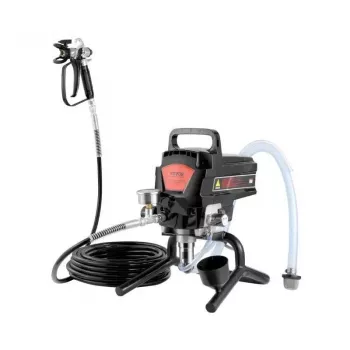
- High-Efficiency 750W/950W Electric Airless Paint Sprayer ($351.01) — A practical choice for faster coverage across interior and exterior projects, with power options to match occasional or heavier workloads.
- Vintage Glass Pendant Light with LED Compatibility for Indoor and Outdoor Spaces ($719.49) — A useful upgrade when you want clearer lighting to spot misses, dry spray, or uneven sheen while painting in garages and workshops.
FAQ
Does an airless sprayer need paint to be thinned?
Often not for many interior/exterior latex paints, but results depend on the coating, temperature, and the tip size. Straining the paint, using the correct tip, and adjusting pressure usually make a bigger difference than thinning.
How can overspray be reduced while keeping a smooth finish?
Use the lowest pressure that fully atomizes the fan, choose a tip that matches the coating, and keep a consistent distance and pace. Careful masking and avoiding windy outdoor conditions also reduce overspray.
What causes spitting or an uneven fan pattern?
Common causes include clogged filters, debris in the tip, a worn tip, low pressure, or air in the line. Flush and clean the sprayer, re-prime, and replace worn tips or dirty filters to restore a clean pattern.













Leave a comment