7-Day Self-Compassion Plan for Stress & Mindfulness
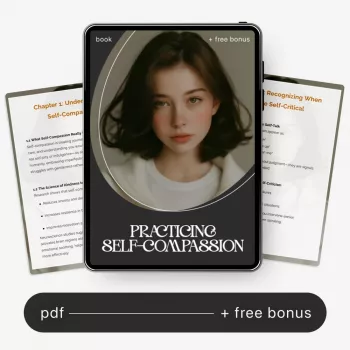
Practicing Self-Compassion: A Mindful Guide for Stress Relief and Emotional Wellness
Self-compassion is the skill of responding to stress, mistakes, and difficult emotions with care rather than criticism. When practiced consistently, it supports emotional balance, reduces reactivity, and makes mindfulness feel more accessible—especially on hard days. This guide lays out practical, everyday ways to build self-compassion through simple mind-body tools, reflection prompts, and micro-practices that fit into real schedules.
What Self-Compassion Is (and What It Isn’t)
Self-compassion means treating personal suffering as something worthy of kindness, not something to punish. Instead of trying to “fix” yourself through pressure, you meet your experience with steadiness, honesty, and support.
Many modern approaches describe self-compassion as a blend of three elements: mindfulness (noticing what’s here), common humanity (remembering you’re not alone), and self-kindness (responding with warmth and care).
It also helps to clarify what self-compassion is not. It’s not self-pity: self-pity narrows focus to “only me,” while self-compassion connects your experience to the broader human condition. It’s not letting yourself off the hook either—compassionate accountability can still include making amends, practicing skills, and setting boundaries. And it isn’t forced positivity; it starts with an honest recognition of pain, then offers warmth and steadiness.
Self-compassion compared with common look-alikes
| Approach | How it sounds inside | Likely outcome |
|---|---|---|
| Self-criticism | “What’s wrong with you?” | Shame, avoidance, burnout |
| Self-pity | “This always happens to me.” | Isolation, rumination |
| Forced positivity | “Just be grateful and move on.” | Emotions return stronger, disconnection |
| Self-compassion | “This is hard. I’m here with you.” | Calmer nervous system, clearer next steps |
Why It Helps: Stress, the Nervous System, and Emotional Resilience
Harsh self-talk can keep the body in threat mode, making it harder to think clearly and regulate emotions. When the brain interprets inner criticism as danger, the stress response can stay elevated—tight muscles, shallow breathing, racing thoughts, and reactive decisions.
Self-compassion practices often pair mindfulness with soothing cues (tone, breath, touch). These cues can support parasympathetic “rest-and-digest” activation, which is associated with a steadier heart rate, improved digestion, and a greater sense of internal safety. The American Psychological Association outlines how stress affects the body, including sleep, mood, and physical health, which is why small calming interventions can matter day to day (APA: Stress effects on the body).
When mistakes happen, compassion reduces the spiral of shame and defensiveness, making learning and repair more likely. Over time, compassionate responses can improve emotional flexibility—feeling emotions without being ruled by them—and support healthier motivation rooted in values rather than fear of failure.
A 7-Day Micro-Practice Plan (5 Minutes a Day)
Consistency beats intensity. Aim for five minutes daily (or even two) and treat “showing up” as success.
- Day 1 — Name what’s here: Take 60 seconds to label feelings (“stress,” “sadness,” “overwhelm”) without fixing them.
- Day 2 — Soften the body: Relax jaw/shoulders, lengthen the exhale for 5 breaths, then ask, “What do I need right now?”
- Day 3 — Common humanity reset: Write one sentence that normalizes the struggle (“Many people feel this when…”).
- Day 4 — Compassionate phrase: Choose a short line to repeat during stress (“May I be kind to myself in this moment.”).
- Day 5 — Supportive touch: Hand on heart or cheek for 30–60 seconds while breathing slowly; notice any easing.
- Day 6 — Gentle boundary: Identify one small “no” (or one small “yes”) that protects energy today.
- Day 7 — Repair and recommit: Pick one tiny action that aligns with values (apology, rest, hydration, a walk).
How to Practice Self-Compassion in the Moment (Three-Step Script)
Use this simple script when emotions spike—after a tense email, a conflict, or a mistake.
- Notice and name: “This is stress,” “This is disappointment,” “This is shame.” Keep it simple and factual.
- Validate: “Of course this feels hard.” Avoid arguing with the feeling; acknowledge it.
- Offer support: Choose one: a kind phrase, a grounding breath pattern, or a practical next step.
If emotions are intense, return to the body first: feel feet on the floor, extend the exhale, and relax the face. If self-criticism is loud, respond as a steady inner ally—firm, calm, and protective rather than harsh.
Journaling Prompts That Build Emotional Wellness
Journaling works best when it’s specific and kind—less storytelling, more support. Try one prompt and stop when you feel a small shift.
Making It Stick: Simple Rituals, Reminders, and Common Roadblocks
For guided exercises and research-backed practices, explore resources from the Center for Mindful Self-Compassion and Kristin Neff, PhD.
A Guided Option for Daily Practice
- Simple Daily Rituals to Soothe Your Mind – Digital Guide for Simple Rituals to Calm My Mind Daily, Stress Relief, Mindfulness Routine & Mental Clarity
- Solo Traveler’s Guide to Staying Safe | Guide | Digital Download PDF eBook | Solo Travel Safety Tips & Checklist | Travel Security Planning
- Vintage Glass Pendant Light with LED Compatibility for Indoor and Outdoor Spaces (a softer lighting setup can support a calmer evening wind-down ritual)
FAQ
How is self-compassion different from self-esteem?
Self-esteem often depends on evaluation or achievement, while self-compassion is available even during failure and struggle. It provides steadier emotional support with less comparison, which can make setbacks easier to recover from.
What if self-compassion makes motivation worse?
Self-compassion includes compassionate accountability: kindness paired with honest responsibility. Shame-based motivation often backfires, while care-based motivation supports learning, persistence, and practical next steps.
How long does it take to notice benefits from practicing self-compassion?
Some benefits can be immediate—like a calmer body from slower breathing or supportive touch. For changes in mood reactivity and self-talk patterns, many people notice shifts after a few weeks of consistent, small daily practice.














Leave a comment