120dB Wireless Siren: Battery Backup & Solar Option Guide
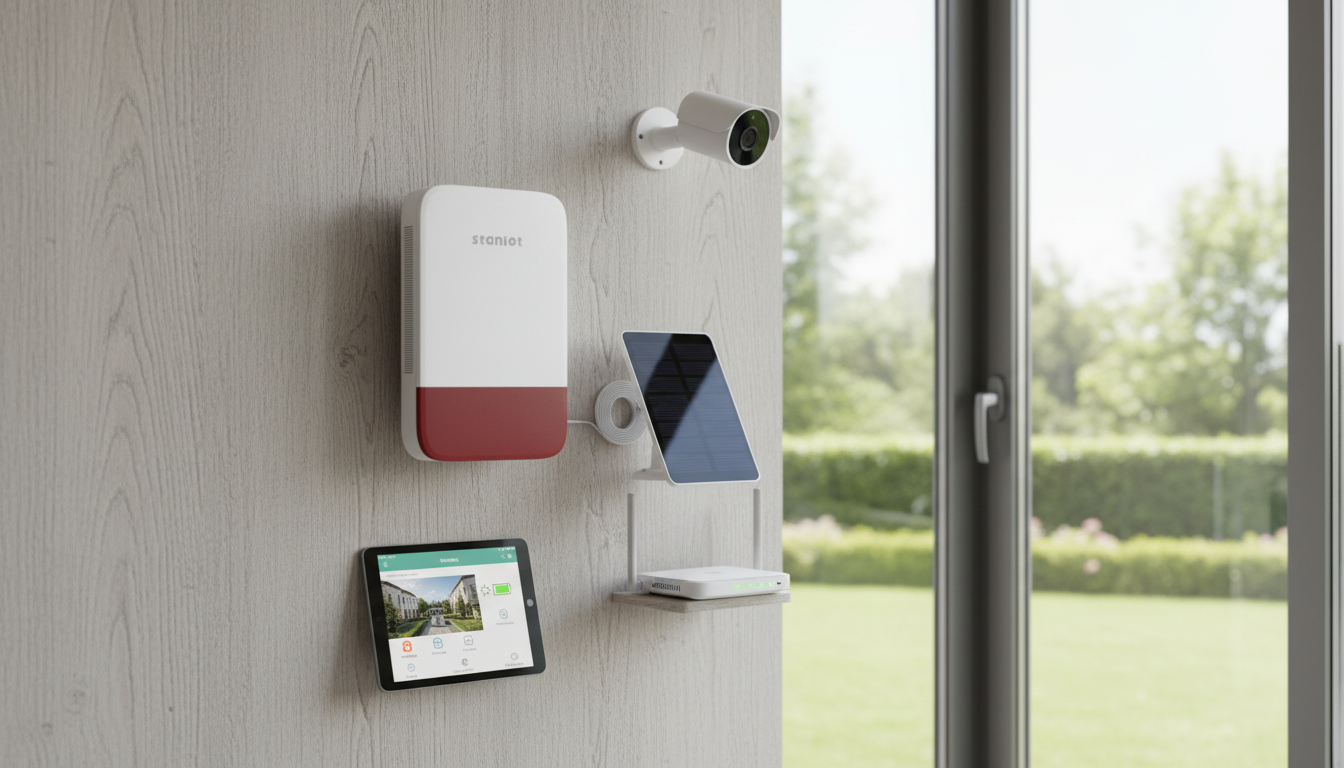
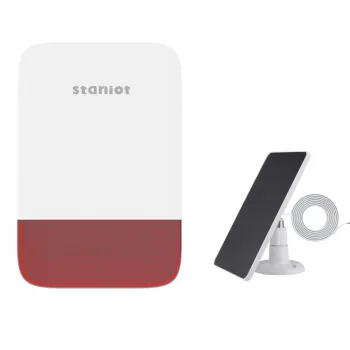
120dB Wireless Indoor/Outdoor Siren Alarm with Battery Backup and Solar Option
A high-output siren can add an extra layer of deterrence and alerting for homes, garages, sheds, and small businesses—especially when power outages and outdoor exposure are real concerns. This guide breaks down what to expect from a 120dB wireless siren, how battery backup and a solar option fit into day-to-day reliability, and where this type of alarm works best.
What a 120dB wireless siren is designed to do
A 120dB siren is built to be unmistakable. The goal isn’t subtle notification—it’s a loud, attention-grabbing alert that can help discourage unwanted activity and get people nearby looking in the right direction.
- Creates a loud, attention-grabbing alert intended to deter intruders and notify people nearby.
- Works as an add-on alarm sounder for compatible security setups, sensors, or receivers (compatibility should be confirmed before purchase).
- Supports both indoor and outdoor placement to cover entry points, driveways, gates, patios, workshops, and storage areas.
- Wireless operation reduces the need for running long cables, which can simplify placement and relocation.
If you’re shopping for a flexible, high-output option, the 120dB Wireless Indoor/Outdoor Siren Alarm with Battery Backup & Solar Option is designed around exactly this use case: loud audible alerts with power resilience for everyday installs.
Where it fits best: indoor vs. outdoor placement
Placement matters as much as volume. The best location is the one that makes the siren easy to hear where it counts, while keeping the unit protected and harder to tamper with.
Indoor placement tips
- Place near main entry paths (hallways, stairwells) to maximize audibility throughout the home.
- Avoid installing right next to bedrooms or nurseries; 120dB can be harmful at close range.
- Mount high on a wall or ceiling when possible so it’s harder to quickly cover or remove.
Outdoor placement tips
- Install under eaves/overhangs to reduce direct exposure to rain and sun while still projecting sound outward.
- For detached spaces (garage, shed), placing the siren on the exterior wall can help neighbors hear the alert sooner.
- Mount where it’s hard to reach quickly (discourages tampering) but still accessible for periodic maintenance.
| Location | Best spot | Why it works | Watch out for |
|---|---|---|---|
| Front door area | Inside hallway ceiling/wall | Projects sound through core living areas | Too close to ears in narrow spaces |
| Garage | Exterior wall under eave | Audible outdoors; deters at point of entry | Direct weather exposure if uncovered |
| Backyard/patio | Near back door under cover | Covers sliding doors and rear access points | Distance to neighbors may reduce effectiveness |
| Shed/workshop | Above entry facing outward | Helps alert nearby homes and passersby | Battery checks needed if rarely visited |
Battery backup and solar option: what reliability looks like
Power resilience is often the deciding factor between a siren that “usually works” and one that keeps doing its job when conditions aren’t ideal.
- Battery backup helps keep the siren operational during power outages and temporary power interruptions.
- A solar option can reduce manual charging or battery changes in outdoor installations, especially where power access is limited.
- Best practice: treat solar as a supplement, not a guarantee—seasonal light levels, shade, and weather can reduce charging.
- Plan a simple maintenance routine: periodic battery status checks and visual inspection for debris, corrosion, or loose mounting.
For outdoor mounting, the “solar option + battery backup” combination is especially useful on detached garages and sheds where it’s inconvenient to run power. A quick monthly check (mounting tightness, housing condition, and battery status) goes a long way toward keeping performance consistent.
Wireless considerations before buying
Wireless sirens are convenient, but they’re not one-size-fits-all. Before purchasing, it helps to confirm how the siren communicates and what will trigger it.
Using volume safely and responsibly
For context on hazardous sound levels and why limiting exposure time matters, see NIOSH guidance on occupational noise exposure. For broader preparedness planning that complements alarms (lighting, routines, emergency contacts), review Ready.gov home preparedness resources.
Who this siren is a good match for
In many setups, a siren works best when paired with practical visibility. If an entryway or side yard is poorly lit, an exterior fixture such as the Vintage Glass Pendant Light with LED Compatibility for Indoor and Outdoor Spaces can help reduce hiding spots and make it easier to verify what triggered an alert.
Product snapshot
| Item | Detail |
|---|---|
| Product | 120dB Wireless Indoor/Outdoor Siren Alarm with Battery Backup & Solar Option |
| Primary purpose | Loud audible alert and deterrence |
| Placement | Indoor and outdoor (best under cover outdoors) |
| Power resilience | Battery backup; solar option for supplementary charging |
| Price | $55.51 USD |
| Availability | In stock |
FAQ
How loud is 120dB in practical terms?
120dB is extremely loud and can be painful or harmful at close range. Keep tests brief, avoid standing near the siren when testing, and place it away from spots where people sleep or regularly stand nearby.
Will the solar option keep the siren running all year?
Solar charging depends on sun exposure, season, weather, and shade, so performance can vary throughout the year. Battery backup should be treated as the reliability layer, with periodic checks to confirm the system is staying charged.
Can it be used outdoors in rain and heat?
It’s intended for indoor/outdoor use, but outdoor reliability improves when mounted under an eave or other cover to reduce direct exposure. For best results, confirm the unit’s specific weather-resistance details and avoid placing it where it will face constant, unprotected rain or intense sun.













Leave a comment