Vet Advice on Elevated Dog Bowls: When They Help
Do vets recommend elevated dog bowls?
Veterinarians sometimes recommend elevated dog bowls, but not as a universal “better for every dog” upgrade. The right choice depends on a dog’s size, posture, mobility, and specific medical needs. For some pets, a raised feeding position can make meals more comfortable and help reduce strain on the neck, shoulders, and front legs—especially in dogs with arthritis, spinal or neck pain, or those recovering from surgery.
That said, vets may discourage elevated bowls for certain dogs. If a dog already eats comfortably from the floor and has no orthopedic issues, there may be little benefit. In some cases, changing bowl height too dramatically can cause awkward posture, faster eating, or discomfort. Dogs that gulp food may need a slow-feeder approach regardless of bowl height.
When a veterinarian does recommend an elevated bowl, it’s usually about achieving a neutral, relaxed stance: your dog should be able to eat without hunching down or stretching up. A stable, non-slip stand matters as much as the height—wobbling can make a dog brace while eating, which defeats the comfort goal. Materials and hygiene also play a role; smooth, easy-to-clean bowls and a tidy feeding station can help prevent mess and keep the area sanitary.
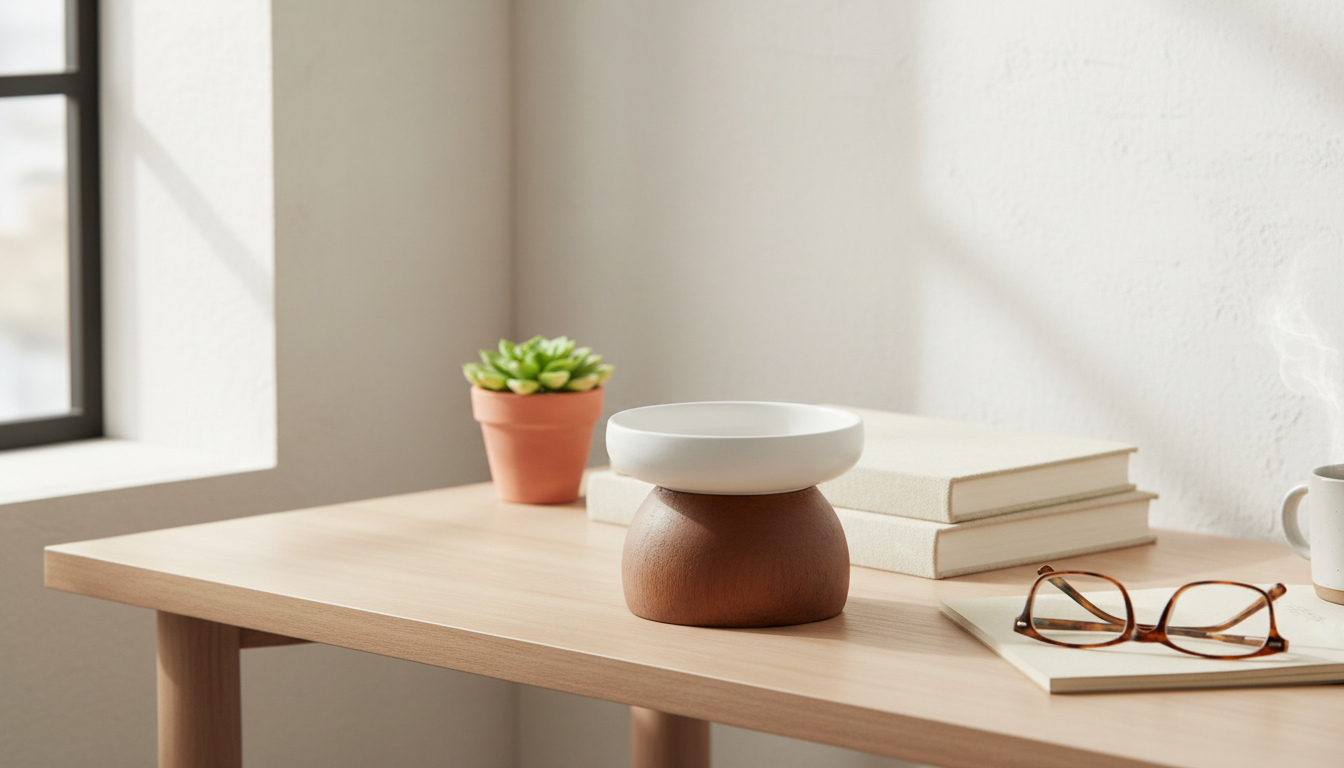
If you’re considering a raised setup, a practical next step is to check guidance on selecting a comfortable stand and bowl combination, including tips on stability and cleanup. See the detailed guide here: elevated ceramic pet bowl with wood stand feeding station guide.
For Vet Advice on Elevated Dog Bowls: When They Help, the best answer depends on fit, material, care instructions, and how the product will be used day to day.
FAQ
What height should an elevated dog bowl be?
A good starting point is a height that lets your dog eat with a straight, relaxed neck and elbows comfortably under the shoulders. If your dog has pain, mobility limits, or a diagnosed condition, ask your vet for a height recommendation tailored to your dog’s posture and symptoms.














Leave a comment