Japandi Coffee Table Durability: Wood, Joinery & Finish

Are Japandi coffee tables durable?
Yes—Japandi coffee tables can be very durable when they’re built with quality materials and joinery. The style leans on Japanese and Scandinavian design principles: simple forms, honest construction, and long-lasting natural materials. Durability comes less from the “Japandi” label and more from the specific wood species, finish, and how the table is assembled.
What makes a Japandi coffee table hold up over time?
Look first at the wood. Solid hardwoods like oak, ash, beech, and walnut resist dents and sagging better than softer woods, especially on thin, minimalist tops. Many Japandi tables also use engineered wood thoughtfully—high-quality plywood or veneered panels can stay stable through seasonal humidity swings when the core and veneer are well-made. Avoid low-density particleboard if you want a piece that stays tight and flat for years.
Why joinery matters more than the silhouette
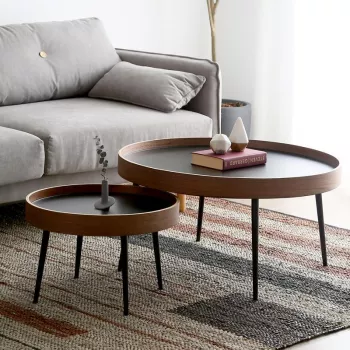
Japandi designs often feature slender legs and clean edges, which can be sturdy when the structure is engineered well. Strong joinery (mortise-and-tenon, dowels, or well-executed corner blocks) keeps legs from wobbling and prevents racking. A table that feels rigid when lightly pushed from the side is typically a better sign than a thick-looking top with weak connections underneath.
How finishes affect real-world durability
Many Japandi coffee tables use matte oils, hardwax oils, or low-sheen lacquers to keep a natural look. Oils and hardwax oils are easy to refresh and hide minor scratches, making them practical for daily use. Lacquer can offer better resistance to spills and staining, but deep damage may be harder to spot-repair. If the table will face frequent drinks, snacks, or kids’ crafts, prioritize a finish that matches that reality.
Care habits that extend lifespan
Use coasters, wipe spills quickly, and keep the table out of harsh direct sun to reduce fading and drying. For lightweight pieces, add felt pads and avoid dragging; lift instead. With those basics, a well-made Japandi coffee table can stay stable, quiet, and beautiful for a long time.
For a deeper look at Japandi proportions, warm woods, and how minimalist Japanese-inspired coffee tables shape a calm room, visit this guide to minimalist Japanese coffee tables.
FAQ
What wood is best for a Japandi coffee table?
Hardwoods like oak, ash, and walnut are strong choices for everyday durability and dent resistance. If you prefer a lighter look, ash or oak typically balances toughness with that airy Japandi feel.








Leave a comment