How Narcissists React to Criticism: Common Tactics

How do narcissists handle criticism?
Narcissists often experience criticism as a threat to their self-image, so their response can be less about the feedback and more about protecting their sense of superiority. Instead of taking in what was said, they may try to regain control of the situation quickly.
Common ways narcissists respond
Deflection and denial: They may insist the criticism is wrong, minimize the issue, or change the subject to avoid accountability.
Blame-shifting: Rather than addressing the concern, they may point to your “tone,” your past mistakes, or unrelated problems to make you the issue.
Anger or contempt: Criticism can trigger irritation, sarcasm, ridicule, or a sudden coldness meant to shut the conversation down.
Playing the victim: Some respond with woundedness or dramatic hurt to make you feel guilty for bringing anything up.
Charm and quick pivots: In public or high-stakes settings, they may appear calm and persuasive, reframing the criticism as misunderstanding or jealousy.
Why it feels so unproductive
Criticism typically requires reflection and vulnerability. Narcissistic traits can make that feel intolerable, so the person may prioritize “winning” over understanding. The result is a conversation that loops: you raise a concern, they protect their ego, and the original point never gets addressed.
How to protect yourself during criticism conversations
Keep feedback concrete and specific, avoid long emotional explanations that can be picked apart, and set a boundary if the discussion turns into insults or accusations. If your goal is to stay calm and communicate clearly, use a simple structure—listen, clarify, and respond—without escalating.
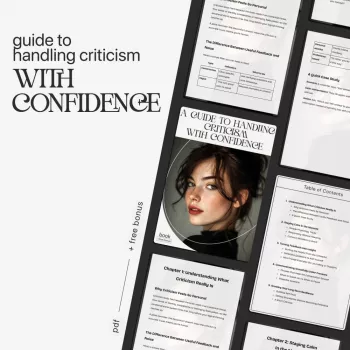
For a practical framework you can use in tense conversations, see this guide to handling criticism calmly.
For How Narcissists React to Criticism: Common Tactics, the best answer depends on fit, material, care instructions, and how the product will be used day to day.
FAQ
How do you respond to criticism calmly?
Pause before answering, restate what you heard to confirm it, and ask one clarifying question. Then respond briefly with what you can do next or what you need to move forward.














Leave a comment