Large-Capacity Cooler Box: Pack Colder for Camping Trips
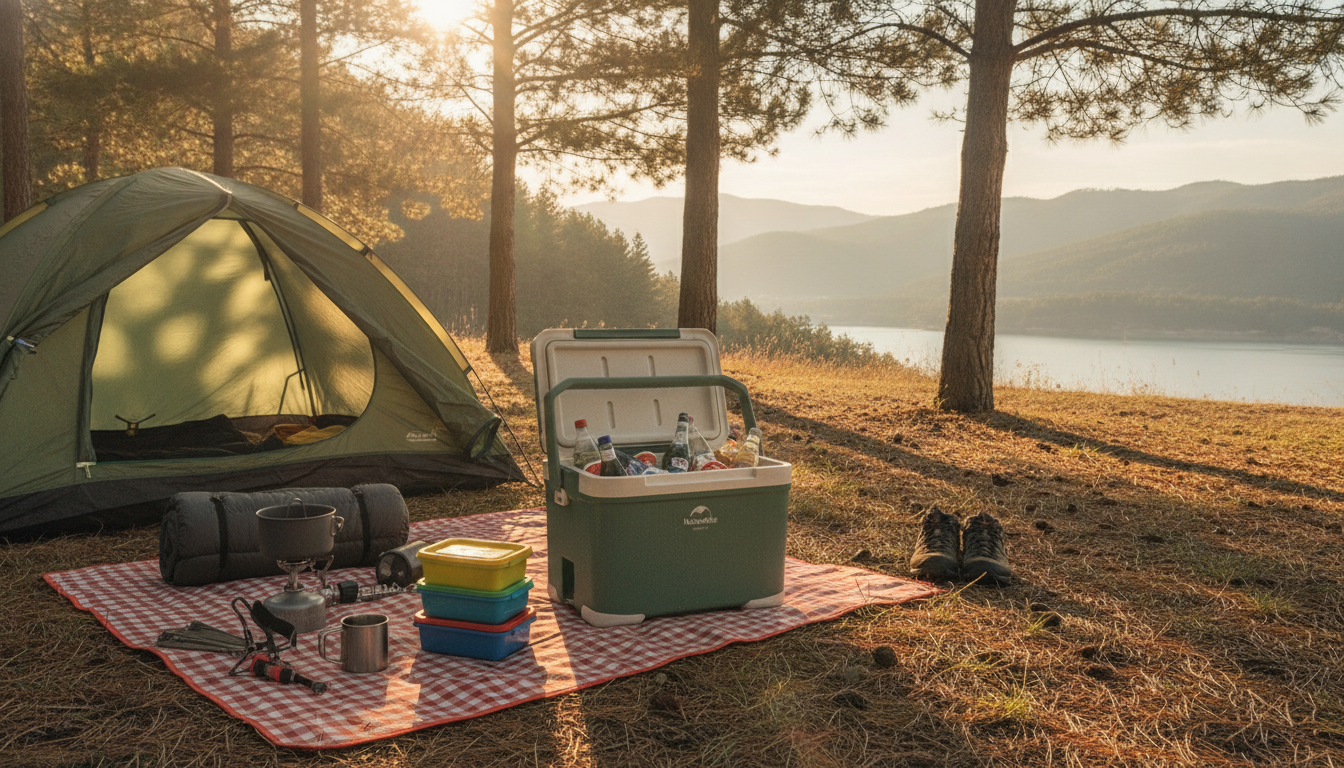
Large Capacity Outdoor Cooler Box for Camping and Travel
A dependable cooler makes long drives, beach days, and camp weekends easier—keeping drinks cold, food safe, and packing organized. A large-capacity portable cooler box is especially helpful when you’re traveling between stops, feeding a group, or trying to avoid constant ice runs. Below are practical ways to choose the right size, improve ice retention, pack smarter for longer trips, and keep your cooler fresh and ready for the next outing.
What a Large-Capacity Cooler Box Helps With
- Extends cold storage for day trips and multi-stop travel where refills aren’t convenient.
- Reduces the need for frequent store runs by fitting more meals, beverages, and ice.
- Supports group outings by consolidating items into one thermal container.
- Improves organization with a single, dedicated place for chilled items to limit warm-air exposure.
Capacity Planning: Choosing the Right Size for Your Trip
“Bigger” isn’t always “better” if the cooler ends up half-empty—extra air space warms faster and can shorten ice life. Instead, plan around people, duration, and heat, then reserve room for ice first.
- Estimate by people and duration: more people and hotter weather typically require extra ice volume.
- Plan space for ice first: allocate a portion of the interior for ice packs or cubed ice to maintain safe temperatures.
- Think in “meal blocks”: group breakfast/lunch/dinner items so only one block needs to be opened at a time.
- Account for containers: bulky bottles and rigid food containers can reduce usable space more than expected.
Quick planning guide for cooler capacity and ice needs
| Trip type | Typical use | Packing focus | Ice strategy |
|---|---|---|---|
| Solo day hike or beach day | Drinks + a small lunch | Tall bottle space and quick access | Pre-chill contents; use 1–2 medium ice packs |
| Couple’s day trip | Drinks + snacks + sandwiches | Separate wet/dry items | Layer ice packs top and bottom for steady cooling |
| Family picnic or sports day | Multiple meals + beverages | Organize by meal blocks | Use a mix of block ice (or frozen bottles) and cubes |
| Camping weekend (small group) | Perishables + drinks | Limit openings; keep raw foods sealed | Add more block-style ice and replenish cubes as needed |
Thermal Performance: What Drives Ice Retention
Ice retention is mostly a battle against heat transfer and warm air exchange. Small habits—like pre-chilling and staying shaded—can add hours (or more) to cold hold time.
- Insulation thickness and quality: denser insulation generally slows heat transfer.
- Lid seal and closure: a tight seal reduces warm air exchange and water intrusion.
- Surface exposure: keeping the cooler shaded and off hot surfaces can meaningfully improve performance.
- Pre-chilling: cooling the empty cooler (or loading pre-chilled items) reduces initial melt.
- Drain management: drain only when necessary; excess draining can let warm air in and accelerate melting.
Portability and Outdoor Practicality
A cooler can be “high capacity” on paper but frustrating on the move. For travel and camping, practical handling matters as much as insulation.
- Carry comfort: look for sturdy handles and a shape that’s easy to grip when loaded.
- Vehicle fit: confirm it fits trunk/cargo dimensions while still allowing the lid to open.
- Stability at camp: a wider base helps prevent tipping on uneven ground.
- Water handling: consider how the drain plug works and whether it’s easy to open without leaks.
- Exterior durability: a rigid shell helps protect contents during transport.
Packing Method for Colder, Longer
For longer trips, packing is the difference between “still cold on day two” and “why is everything soggy?” Aim for tight packing, fewer openings, and a cold barrier at the bottom and top.
Food Safety Basics While Camping and Traveling
Helpful references: USDA Food Safety While Hiking, Camping, and Boating and CDC: Keep Food Safe at Picnics, BBQs, and Camping Trips.
Care, Cleaning, and Storage
Featured Picks for Trips, Campsites, and Day Use
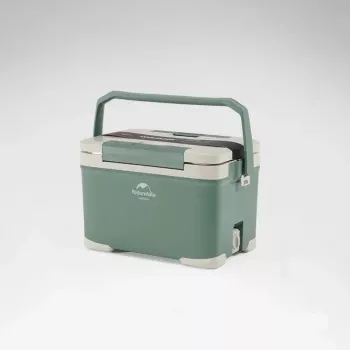
Featured Pick: Large Capacity Outdoor Cooler Box
Large Capacity Outdoor Cooler Box – Portable Thermal Ice Chest for Camping & Travel
Extra in-stock items that pair well with travel and outdoor plans
- Vintage Glass Pendant Light with LED Compatibility for Indoor and Outdoor Spaces (for patios, covered outdoor seating, and flexible lighting setups)
- Liu Jo Women’s Blue Plain Jeans – Spring/Summer Denim (easy-to-pack travel denim)
- Only Women’s Blue Organic Cotton Skirt (lightweight option for warm-weather days)
FAQ
How long will ice last in a large outdoor cooler?
Ice life depends on insulation, outside temperature, how full the cooler is, and how often it’s opened. To stretch it, pre-chill the cooler and contents, use a mix of block ice and cubes, keep it shaded, and pack tightly to reduce air gaps.
What’s the best way to pack a cooler for a weekend camping trip?
Start with block ice or frozen bottles on the bottom, then add sealed raw items (kept separate), followed by meal “blocks,” and finish with ice packs on top. Keep ready-to-eat foods away from raw foods, and use a thermometer if you can to confirm safe temperatures.
Should meltwater be drained during the trip?
Not always—cold meltwater can help maintain low temperatures, but it can soak packaging and soften foods. Drain only when it threatens food integrity, and keep items in sealed containers or bags so they stay protected if water remains in the cooler.










Leave a comment