Dog Person vs Cat Person: Key Differences in Bonding
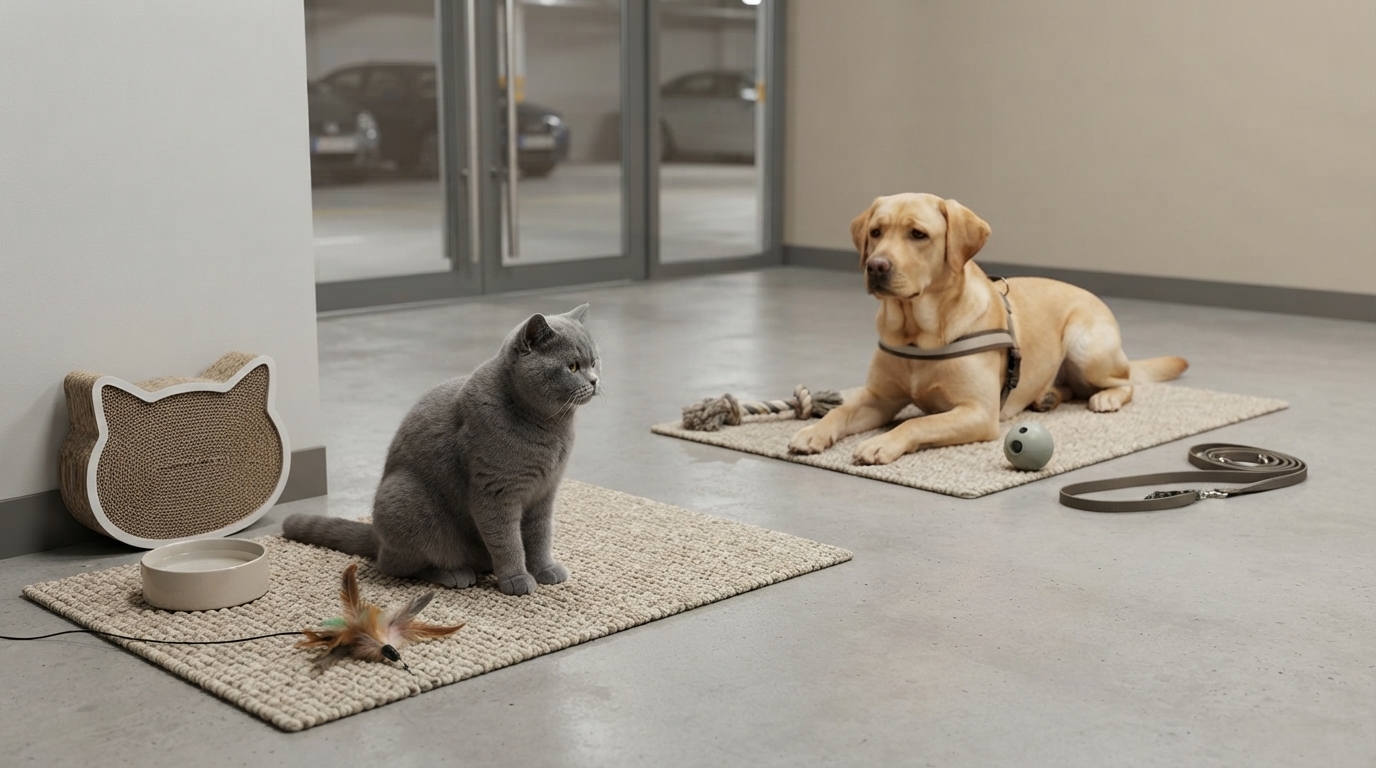
What’s the difference between a dog person and a cat person?
The difference between a dog person and a cat person usually comes down to what kind of social connection feels most natural. Dog people tend to enjoy clear, frequent feedback—tail wags, eager greetings, and a pet who’s visibly thrilled to participate. Cat people often prefer a bond that’s quieter and more selective, where trust builds over time and affection can be subtle but deeply rewarding.
Neither preference is “better.” They simply reflect different comfort zones around attention, routine, and communication.
How dog people typically connect
Many dog lovers thrive on a relationship that’s openly interactive. Dogs often look to their humans for direction and reassurance, which can feel energizing if you like being needed. Dog people also tend to be comfortable with structure—walk schedules, training cues, and shared activities—because those routines strengthen the partnership.
How cat people typically connect
Cat lovers often appreciate independence and boundaries. Cats may choose when to engage, and their signals can be more nuanced—slow blinks, gentle head bumps, or simply staying nearby. If you enjoy companionship that’s low-pressure and respectful of personal space, cat-oriented bonding can feel like a perfect match.
Personality stereotypes (and what actually matters)
It’s common to hear that dog people are more outgoing and cat people are more introverted, but real life is messier—and more interesting. Plenty of introverts love dogs, and many extroverts adore cats. The more reliable difference is what each person finds comforting: predictable enthusiasm versus calm, self-directed companionship.
If you’re deciding which pet fits your household, focus on temperament and communication cues rather than labels. For a practical look at dog and cat behavior signals—what they mean and how to respond—see this guide to pet temperament and behavior signals.
FAQ
Can you be both a dog person and a cat person?
Yes. Many people enjoy dogs for their playful engagement and cats for their calmer, more independent companionship, and the right match often depends on the individual animal’s temperament.















Leave a comment