Twin Over Twin Bunk Beds: Meaning, Size & Buying Tips
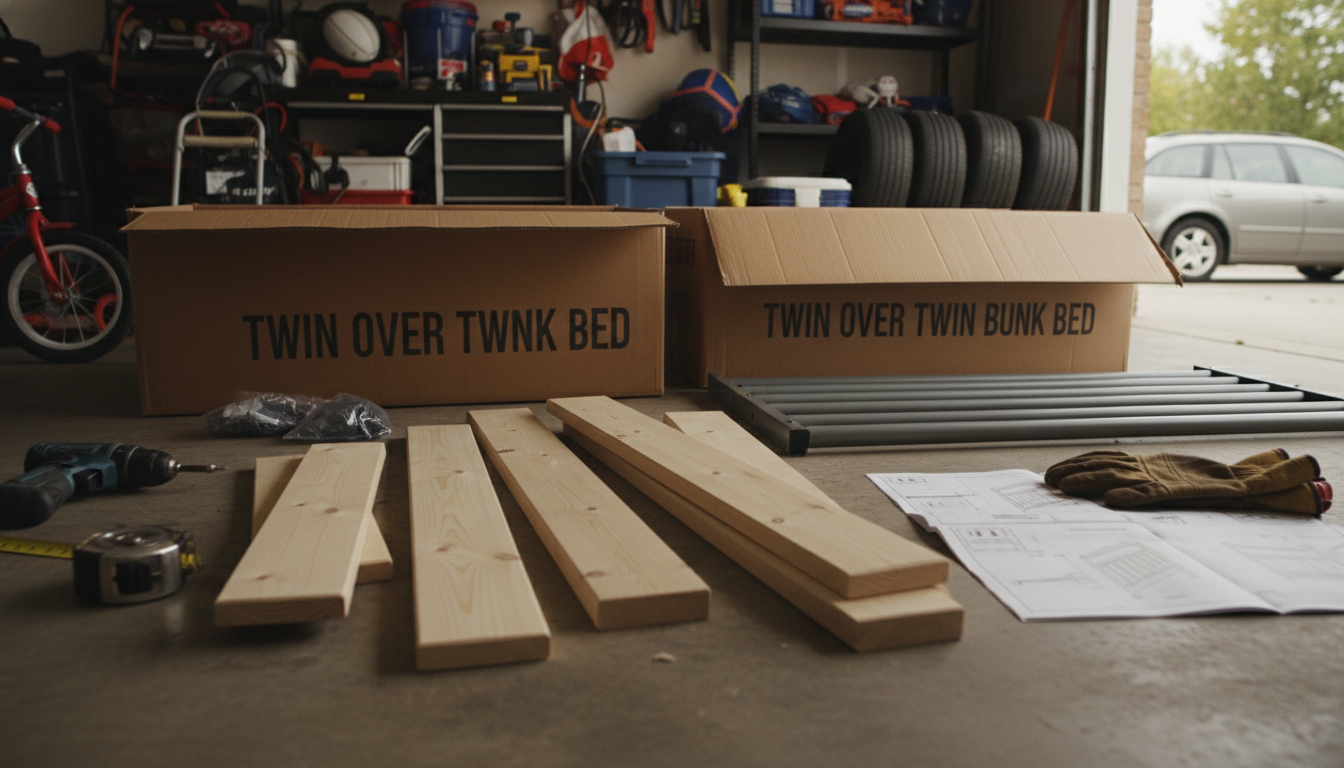
What is the meaning of twin over twin bunk beds?
Twin over twin bunk beds are bunk beds made with two twin-size beds stacked vertically—one twin mattress on the top bunk and one twin mattress on the bottom bunk. “Twin” refers to the standard twin mattress size (typically 38 inches wide by 75 inches long in the U.S.), and “over” describes the arrangement: a twin bed over another twin bed.
How twin over twin bunk beds are typically used
This bunk style is commonly chosen for kids’ bedrooms, shared rooms, sleepovers, and smaller spaces where you want two separate sleeping surfaces without taking up the floor space of two standalone beds. Because both bunks use the same mattress size, it’s easier to shop for matching sheets and bedding, and the overall frame often looks balanced and uniform.
What you get (and what you don’t) with this layout
The main advantage is efficient sleeping capacity: two twin sleepers in the footprint of one bed. The tradeoff is that the bottom bunk is also a twin, so it won’t provide the extra width you’d get from a twin-over-full design. If a teen or adult needs more room, a different configuration may be more comfortable.
Key details to understand before buying
Even though the name is simple, twin over twin bunk beds can vary a lot by design. Some include built-in storage drawers, trundles, or a staircase-style ladder; others are minimalist frames with a straight ladder. Always confirm the mattress thickness limits for the top bunk (to keep guardrails effective), the weight capacity for each bunk, and the required ceiling clearance so the top sleeper can sit up comfortably.
For a deeper breakdown of sizing, safety tips, and practical shopping considerations, visit https://ryvian.shop/what-is-the-meaning-of-twin-over-twin-bunk-beds/.
FAQ
What is the difference between twin over twin and twin over full bunk beds?
Twin over twin uses two twin mattresses, while twin over full has a twin on top and a wider full-size mattress on the bottom. Twin over full is often better when the lower bunk will be used by an older kid, teen, or guest who wants more space.











Leave a comment