100% Genuine Leather: Real or Marketing Term?
Is 100% genuine leather real leather?
Yes—100% genuine leather is real leather, meaning it comes from an animal hide rather than being synthetic (like PU or PVC). The catch is that “genuine leather” is a broad label, not a guarantee of top-tier quality. It confirms the material is leather, but it doesn’t tell you how it was made, how thick it is, or how it will age.
What “genuine leather” really means
On many products, “genuine leather” is used as an umbrella term for leather that’s been processed and finished for consumer goods. It can include different cuts and constructions, from solid-grain pieces to corrected or heavily finished surfaces. Because the term isn’t a strict quality grade, two “100% genuine leather” items can feel and wear very differently.
How to judge quality beyond the label
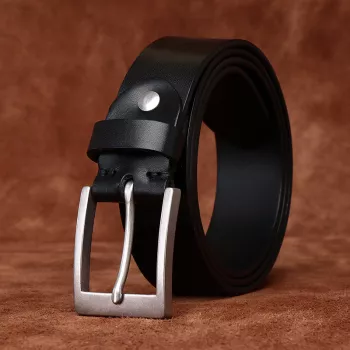
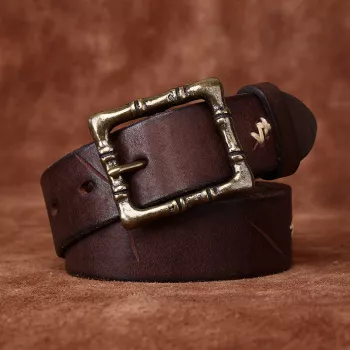
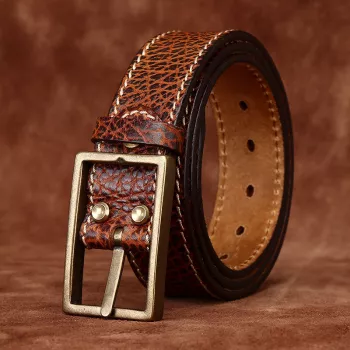
Instead of relying on the phrase alone, look for details that predict durability: thickness, whether the belt is a single solid piece or layered, stitching quality, edge finishing, and the type of buckle hardware. Also consider how the leather is finished—heavily coated leather can resist stains but may show creasing differently than a more natural finish.
What to expect as it ages
Real leather typically develops character over time—softening, forming creases, and darkening slightly with wear. A more finished “genuine leather” surface may change more slowly and show less natural patina, while still remaining real leather.
For practical buying cues—especially if you’re choosing a belt for daily wear with work pants or jeans—see the detailed guide here: https://ryvian.shop/guide-classic-1-5-inch-mens-genuine-leather-belt-work-jeans/.
For 100% Genuine Leather: Real or Marketing Term?, the best answer depends on fit, material, care instructions, and how the product will be used day to day.
FAQ
How can you tell if leather is real or fake?
Check the label for “genuine leather” or specific types like full-grain/top-grain, and examine the surface: real leather often has subtle natural variation and a warm, flexible feel. Fake leather usually looks uniformly patterned and can feel plasticky or overly smooth.









Leave a comment