Timberland Men’s Brown Sneakers for Fall/Winter Grip
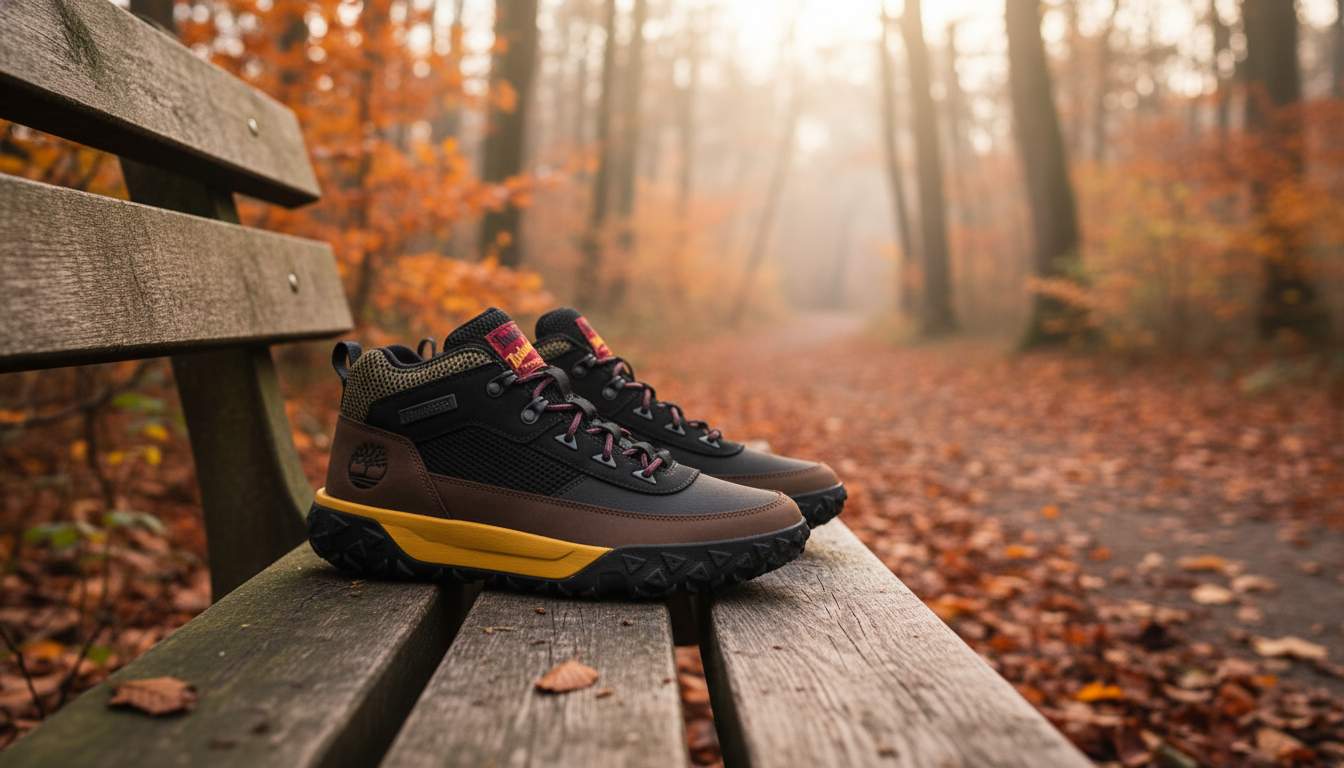
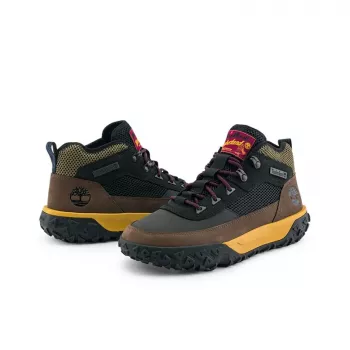
Built for cooler days and unpredictable sidewalks, these Timberland men’s sneakers pair a classic brown upper with a grippy rubber sole for steady footing and everyday comfort. The look sits between casual and outdoors-ready, making them a practical choice for commuting, weekend walks, and travel through fall and winter conditions.
What Makes These Sneakers a Solid Cold-Season Pick
- Designed for fall/winter wear with a durable sneaker profile that’s easy to dress up or down.
- Rubber outsole supports traction on wet pavement and light slush while keeping the shoe flexible for all-day walking.
- Brown colorway works well with denim, chinos, and darker winter layers without looking overly sporty.
- A good option for anyone who prefers sneaker comfort but wants a tougher, more weather-ready build than lightweight runners.
If your cold-season routine includes slick crosswalk paint, damp concrete, and the occasional puddle at the curb, a rubber-soled sneaker can feel more planted than minimalist, smooth-bottom styles. For general foot comfort and fit considerations, the American Podiatric Medical Association (APMA) offers helpful guidance on choosing supportive footwear.
Upper, Lining, and Overall Build
For fall and winter, the upper is more than a style choice—it’s your first line of defense against daily scuffs and seasonal moisture. When evaluating this kind of sneaker, focus on the feel and finish of the upper material and the stitching quality. Even small details (tight seams, clean panel joins, and consistent stitching) help the shoe stay looking sharp through repeated wear.
- Focus on the upper material and stitching quality to judge how well the shoe will handle daily scuffs and seasonal moisture.
- Look for secure panel joins and reinforced eyelets to reduce stretching and maintain shape during frequent wear.
- A supportive heel counter helps reduce heel slip when walking on uneven sidewalks or stairs.
- If worn with thicker socks, the upper should have enough structure to avoid pressure points across the forefoot.
One practical test: try them on with the socks you’ll actually wear in January. If the upper collapses across the forefoot or pinches near the lace rows, sizing or shape may need adjusting for long days on foot.
Rubber Sole Performance: Traction, Flex, and Stability
In cold months, the outsole does a lot of heavy lifting. Rubber soles typically deliver better grip than harder synthetics, especially when surfaces are wet or slightly slick. That matters when stepping off a bus, navigating a parking garage ramp, or crossing a painted crosswalk line after a light drizzle.
- Rubber soles typically provide better grip than harder synthetics, especially on wet concrete and painted crosswalks.
- Deeper tread patterns shed light debris and help maintain contact on damp surfaces.
- A stable midfoot feel supports longer walks; a balanced mix of flex and firmness helps prevent foot fatigue.
- For winter commuting, traction matters as much as comfort—especially when temperatures drop and surfaces get slick.
Keep expectations realistic: sneakers with rubber soles are great for wet pavement and light slush, but deep snow and sheet ice can still demand dedicated winter boots or traction add-ons. For broader cold-weather safety considerations, the CDC’s cold stress resources are a solid reference.
Comfort for Long Days: Cushioning and Support
A fall/winter sneaker should feel comfortable from the first wear, especially if it’s headed into a daily rotation. Pay attention to how the insole feels under the heel and arch, and whether the midfoot feels stable when you shift weight side to side. Comfort isn’t only “softness”—it’s also how supported your foot feels after a few hours of walking.
- Check insole cushioning and arch feel—supportive comfort is key for standing, errands, and day-long wear.
- A slightly roomier toe box can improve comfort with thicker seasonal socks without cramping the forefoot.
- Breathability still matters in cold months; a shoe that traps too much heat can feel clammy indoors.
- Break-in should be minimal for a sneaker silhouette; steady comfort from day one is ideal for daily rotation.
For indoor/outdoor days (office heat, then cold streets), a balanced build helps. If the shoe runs warm, you may feel it most on the commute home—so consider sock choice and whether you prefer a slightly roomier fit for airflow.
Quick Specs and Buying Details
Use the snapshot below to confirm price, stock, and the product page link before ordering. When choosing size, account for sock thickness and whether the shoe will be worn mostly indoors, mostly outdoors, or both.
| Detail | Info |
|---|---|
| Product | Timberland Men’s Brown Fall/Winter Sneakers with Rubber Sole |
| Price | 83.51 USD |
| Stock | 350 |
| Color | Brown |
| Category | Men’s sneakers (fall/winter) |
| Sole | Rubber |
| Product page | View details |
How to Wear Them in Fall and Winter
Care Tips for Wet Weather and Road Salt
Related In-Stock Finds
- Vintage Glass Pendant Light with LED Compatibility for Indoor and Outdoor Spaces
- Simple Daily Rituals to Soothe Your Mind – Digital Guide
- Solo Traveler’s Guide to Staying Safe | Digital Download
FAQ
Are rubber-sole sneakers good for winter sidewalks?
Rubber soles generally improve grip on wet pavement and damp concrete compared with harder, smoother materials. They can handle light slush well, but deep snow and ice may still require dedicated winter footwear and extra caution.
How should men’s fall/winter sneakers fit with thicker socks?
Try them on with the thickest socks you plan to wear and make sure you have comfortable toe room without pressure across the forefoot. The heel should feel secure with minimal slip so your footing stays stable on uneven or slick surfaces.
How do you clean brown sneakers after slush and road salt?
Let them dry at room temperature first, then brush off dried grit before wiping the upper with a slightly damp cloth to remove salt residue. Finish by air-drying and clearing the outsole grooves with a soft brush so traction stays consistent.












Leave a comment