Stainless Steel Food Processor & Veg Chopper Guide
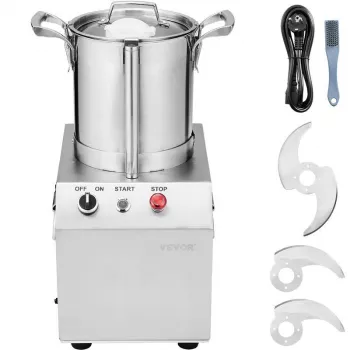
Stainless Steel Multifunctional Food Processor & Vegetable Chopper: Faster Prep Without the Fuss
A stainless steel multifunctional food processor and vegetable chopper is built for fast, consistent prep—slicing, chopping, shredding, and mixing—while keeping durability and easy cleanup front and center. With the right discs, a steady feed chute, and a simple cleaning routine, it can turn weeknight cooking and batch prep into a smoother, less hands-on process.
What It Does Well in a Busy Kitchen
When cooking time is limited, a multifunctional processor earns its counter space by taking on repetitive tasks that normally slow everything down.
- Speeds up prep for onions, carrots, cabbage, cucumbers, potatoes, herbs, and more.
- Supports multiple cut styles depending on blade/disc setup (slice, dice, julienne, shred, mince, puree).
- Helps keep cuts consistent for more even cooking in stir-fries, soups, salads, and sheet-pan meals.
- Reduces hand fatigue compared with knife-only prep for larger batches and frequent cooking.
- Supports meal prep routines: base veggies, slaws, salsa, and garnishes can come together in minutes.
Stainless Steel Build: Practical Benefits
Stainless steel isn’t just about looks—its day-to-day advantages show up most during frequent use and frequent washing.
- Corrosion resistance helps it hold up to repeated cleaning and contact with acidic foods like tomatoes, citrus, and vinegar-based dressings.
- A sturdy housing can reduce wobble during operation and feel more stable over time.
- Stainless steel surfaces typically wipe clean more easily than porous materials that can hold onto odors.
- Hygiene is easier to maintain when the unit is cleaned promptly and stored dry.
- Often pairs well with sharp, replaceable cutting components (depending on the model and available parts).
For extra peace of mind about food-contact materials and safety standards, it can help to review reputable guidance like the FDA’s overview of Food Contact Substances.
Key Parts to Check Before Buying
Two processors can look similar and perform very differently. The practical differences usually come down to what’s included in the box, how stable it feels during operation, and how easy it is to live with every day.
- Blades/discs included: look for a slicing disc, shredding disc, chopping blade, and (if needed) julienne options. Confirm replacements are available.
- Capacity: choose a bowl size that matches your routine—single meals vs. family batches vs. weekly meal prep.
- Motor and stability: anti-slip base and a dependable lock matter more than raw power for many kitchens.
- Feed chute design: wide chutes reduce pre-cutting; narrower chutes can improve uniformity on certain slices.
- Safety features: lid lock, overload protection, and a pusher that keeps hands away from blades.
- Noise and storage: consider footprint, cord storage, and whether discs stack neatly or have a storage caddy.
Quick Checklist for Picking the Right Setup
| Feature | Best For | What to Look For |
|---|---|---|
| Large capacity bowl | Meal prep and families | Room to process without overfilling; stable lid lock |
| Wide feed chute | Whole/large produce | Less pre-cutting; consistent pushing with pusher |
| Multiple discs | Salads, slaws, garnishes | Slice + shred + julienne options; easy swapping |
| Dedicated chopping blade | Salsa, mirepoix, nuts | Sharp, balanced blade; secure bowl fit |
| Easy-clean design | Frequent daily use | Smooth surfaces; fewer crevices; dishwasher-safe parts if applicable |
Best Uses: From Weeknight Meals to Entertaining
A multifunctional chopper/processor shines when you need volume and consistency—especially when you’d rather spend time cooking than prepping.
- Salads and slaws: shred cabbage and carrots quickly, slice cucumbers and onions evenly, and portion ingredients without a pile of cutting boards.
- Soup and stew bases: evenly chopped celery, onion, and carrot blends can be done in a few pulses, reducing prep time and helping everything cook at a similar pace.
- Stir-fries and sheet-pan meals: uniform slices help prevent “half raw, half overdone” trays, especially with potatoes and dense vegetables.
- Dips and spreads: chop herbs, aromatics, and vegetables for salsa, chimichurri, relishes, or quick veggie-forward sauces.
- Batch prep: process vegetables, then portion into containers so lunches and dinners come together faster later in the week.
For food storage timing and safety tips after prepping large batches, the USDA’s FoodKeeper App is a helpful reference.
How to Use It for Cleaner Cuts and Less Mess
Small technique tweaks make a noticeable difference in cut quality, motor strain, and cleanup.
Cleaning, Care, and Safe Handling
Common Problems and Quick Fixes
Shop In-Stock Extras You May Also Like
- Vintage Glass Pendant Light with LED Compatibility for Indoor and Outdoor Spaces
- Simple Daily Rituals to Soothe Your Mind – Digital Guide for Simple Rituals to Calm My Mind Daily, Stress Relief, Mindfulness Routine & Mental Clarity
- Solo Traveler’s Guide to Staying Safe | Guide | Digital Download PDF eBook | Solo Travel Safety Tips & Checklist | Travel Security Planning
FAQ
Can a stainless steel food processor handle hard vegetables like carrots and potatoes?
Yes, as long as you use the appropriate slicing or shredding disc and trim vegetables to fit the feed chute. Work in batches and avoid forcing produce through to reduce the chance of jams.
Is it safe to wash the blades in a dishwasher?
Only if the manufacturer specifically states the blades are dishwasher-safe. Hand-washing is often safer for you and can help preserve sharpness longer.
How can consistent chopping results be achieved instead of a mix of big and tiny pieces?
Use short pulse bursts, avoid overfilling the bowl, and cut ingredients into similar sizes before processing. Pause to scrape down the sides so pieces cycle back into the blade path more evenly.













Leave a comment