Best Smart Self-Cleaning Litter Box App for Multi-Cat
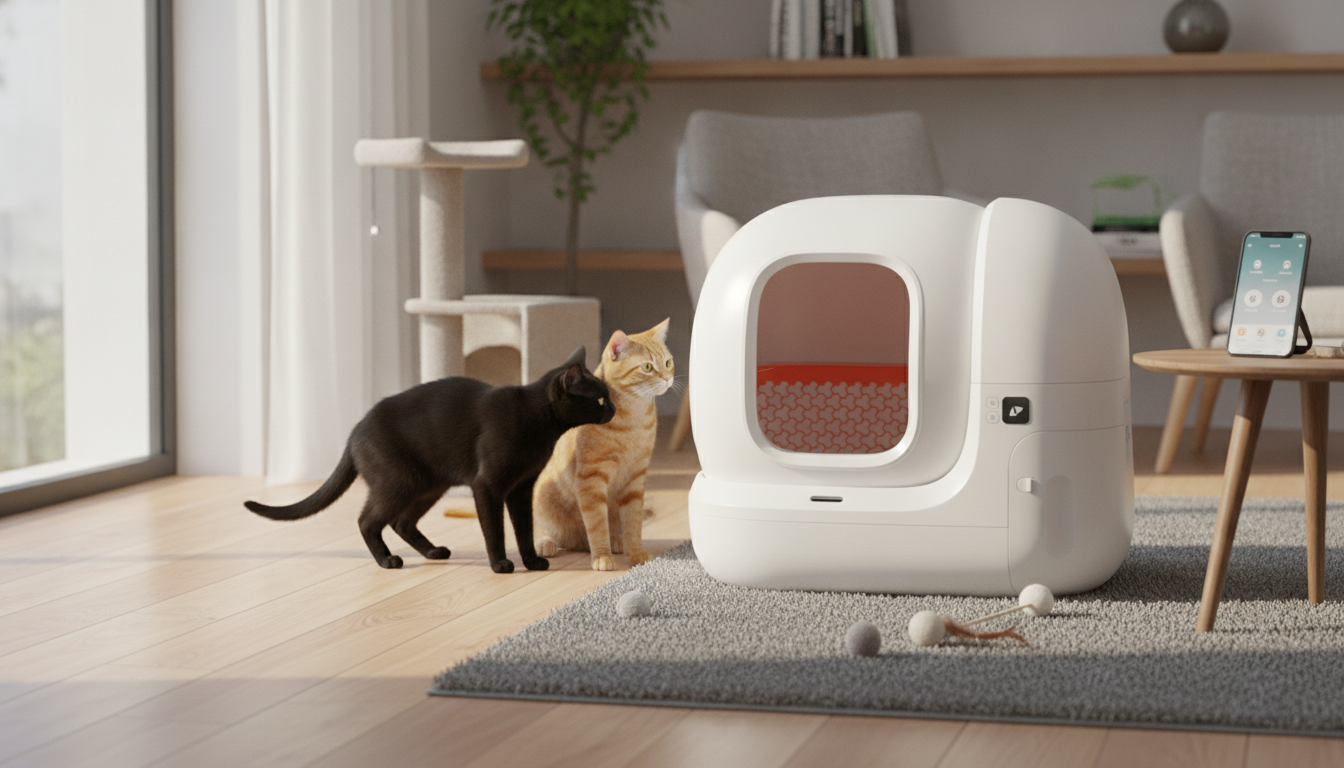
Smart Self-Cleaning Cat Litter Box with App Control for Multiple Cats
A busy multi-cat home needs a litter setup that stays clean, controls odor, and helps spot changes in bathroom habits early. A smart self-cleaning litter box with app control automates scooping, reduces daily maintenance, and can log usage patterns—especially useful when several pets share one space. The goal isn’t just convenience; it’s a more consistent, comfortable routine for cats and a simpler one for the people who care for them.
What makes a smart self-cleaning litter box different
Traditional litter boxes depend on perfect human timing: scoop often enough, deep-clean on schedule, and hope no one misses a day. A smart self-cleaning system changes the baseline by removing waste automatically so each cat typically finds a cleaner surface.
- Automated cleaning cycles separate waste after each visit (or on a set schedule), helping keep litter fresher for the next cat.
- App control supports remote monitoring, notifications (like “waste drawer full” or “cycle completed”), and schedule changes without touching the unit.
- Multi-cat insights (where supported) can make it easier to notice when overall activity changes—often one of the first clues that something is off.
- Enclosed designs may improve odor containment compared with open pans, depending on ventilation and any filter system.
Why multi-cat households benefit most
When multiple cats share a single litter area, small lapses in cleanliness become bigger problems fast. Automated waste removal helps keep the “next visit” experience more consistent—and that consistency can reduce stress-driven litter issues.
- Cleaner between visits can reduce “litter box drama,” where one cat avoids a dirty box and chooses alternate spots.
- Less ammonia buildup helps control lingering smells, especially in apartments or rooms with limited airflow.
- Usage logs can highlight unusual patterns (a cat visiting more often or not at all), which can be a prompt to observe more closely.
- Reduced manual scooping helps the box stay consistently maintained even when the household schedule changes.
App features that matter day-to-day
Not all apps are equally helpful. The most practical features are the ones that reduce missed maintenance and help create a predictable rhythm for cats.
- Real-time alerts: cycle finished, drawer nearing full, error states, or maintenance reminders.
- Custom schedules: run cleaning after a delay to allow cats to exit and litter to clump properly.
- Household sharing: multiple family members can receive notifications and coordinate who empties the drawer.
- History views: trends over days/weeks can help correlate stressors (travel, a new pet, diet changes) with litter box behavior.
Common app controls and what they help with
| App feature | Practical benefit in multi-cat homes | What to check before buying |
|---|---|---|
| Cleaning delay timers | Prevents cycling too soon after a cat exits; improves clump separation | Adjustable delay range and safety sensors |
| Usage history | Shows patterns and changes that may indicate stress or health issues | Whether it tracks per-cat or only total visits |
| Push notifications | Reduces missed maintenance (full drawer, error states) | Notification reliability and alert types |
| Remote start/stop | Convenient when guests are over or during quiet hours | Manual override buttons on the unit |
Safety and comfort for cats of different sizes
A self-cleaning system should feel safe and predictable to cats. Comfort details often determine whether every cat in the home will actually use it.
- Safety sensors: look for sensors that pause cleaning if a cat re-enters or is detected nearby.
- Easy entry: entry height and step design matter for kittens, seniors, and cats with mobility issues; a ramp/step accessory can help when needed.
- Room to turn: the interior should allow a cat to turn comfortably; cramped spaces can lead to avoidance.
- Noise considerations: shy cats may react to motor sounds; placing the unit away from feeding areas and loud appliances often helps with acclimation.
Odor control and litter compatibility
Odor control is mostly a system: frequent waste removal, a well-sealed drawer, and maintenance habits that prevent residue buildup.
Setup, cleaning routine, and tips for smooth adoption
When usage patterns suggest a closer look
- Sudden increases in visits or visible straining can be urgent; urinary issues can escalate quickly, especially in male cats.
- Avoidance or accidents outside the box may indicate stress, pain, or illness.
- Weight trends (if tracked) can add context, but patterns matter more than single readings.
- Data supports—not replaces—care: when symptoms appear, consult a veterinarian. Helpful cat-care references include the AVMA cat care resources, the Cornell Feline Health Center, and ASPCA cat care guidance.
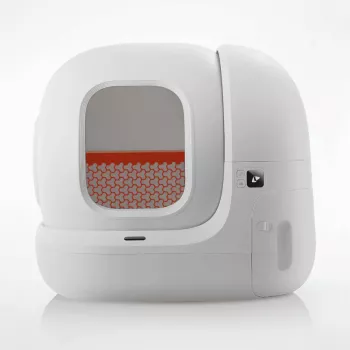
Product overview: Smart Self-Cleaning Cat Litter Box with App Control for Multiple Cats
Helpful add-ons for a cleaner, calmer home
- Vintage Glass Pendant Light with LED Compatibility for Indoor and Outdoor Spaces (better visibility for cleaning and checking the litter area).
- Simple Daily Rituals to Soothe Your Mind – Digital Guide (a practical reset when pet care and household schedules get hectic).
- Solo Traveler’s Guide to Staying Safe | Digital Download (useful for planning trips so pet care handoffs are smoother and less stressful).
FAQ
How many cats can share a self-cleaning litter box?
It depends on the interior size, waste drawer capacity, how often the unit cycles, and your cats’ preferences. Many multi-cat homes still do best with more than one box to reduce competition and give each cat an easy option.
Is a self-cleaning litter box safe for kittens and senior cats?
Models with reliable safety sensors and pause/stop detection are designed to reduce risk during cleaning cycles. For kittens and seniors, entry height and stable steps matter, and very small kittens may need to wait until they meet the manufacturer’s minimum weight/size guidance.
What litter works best with automatic cleaning systems?
Check the manufacturer’s compatibility list, but clumping litter is commonly recommended because it forms firm clumps that separate more cleanly. Very dusty or non-clumping litters can interfere with sensors or waste separation if the system relies on clump formation.











Leave a comment