Recliner Sectional Command Center: USB, Cup Holders, Storage
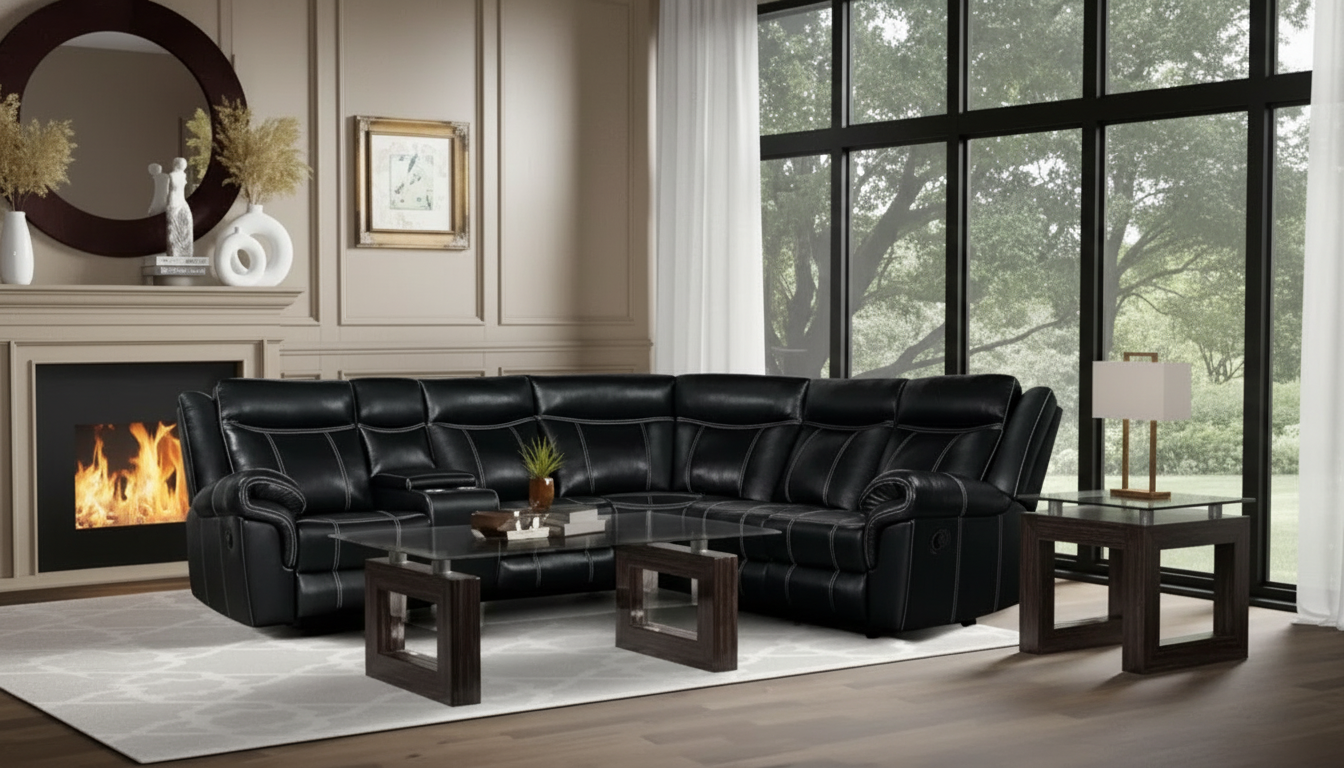
Premium Recliner Sectional Sofa with Cup Holders, USB Ports, and Storage: Comfort, Power, and Organization in One Setup
A recliner sectional can replace multiple living-room pieces by combining lounge-ready seating, built-in charging, drink storage, and hidden compartments for everyday essentials. The result is a single “command center” for movie nights, gaming sessions, and casual hosting—without juggling side tables, power strips, or bins of remotes. Below are the features that matter most, what to measure before buying, and simple habits that help a power-equipped sectional stay smooth, quiet, and comfortable for the long haul.
What Makes This Type of Recliner Sectional Different
Unlike a standard sectional, a recliner sectional is designed to let multiple people dial in their own comfort while keeping essentials within arm’s reach. Reclining seats add personalized support for long conversations, gaming, or weekend marathons without pulling extra recliners into the room. Integrated cup holders help reduce spills and keep tabletops clear, while USB ports put charging where it’s actually used—next to the seat, not across the room.
The best part is how everything works together: storage consoles and hidden compartments minimize clutter from remotes, throws, and cables, and the sectional footprint helps define a “living zone” in open layouts. When the layout is right, it feels less like a collection of furniture and more like one organized, lounge-ready setup.
At-a-Glance Feature Checklist
- Seat count and configuration: Confirm how many people can sit comfortably and where the recliners are located.
- Reclining mechanism: Look for smooth operation, consistent support, and a clear recline/return motion.
- Charging access: Note the number of USB ports, placement (console vs. arm), and cable routing.
- Cup holder depth and stability: Deeper wells help prevent tipping and accommodate different cup sizes.
- Storage volume: Check whether compartments fit larger remotes, handheld consoles, or small blankets.
- Upholstery feel and maintenance: Consider durability, cleanability, and comfort against skin.
| Feature | Everyday Benefit | What to Verify Before Buying |
|---|---|---|
| Cup holders | Keeps drinks stable and close | Depth, diameter, and spill resistance |
| USB charging | Charging without searching for outlets | Port count, location, and cord length to wall |
| Storage console | Reduces clutter from remotes and accessories | Compartment size, lid durability, ease of access |
| Reclining seats | Customized lounging positions | Wall clearance needed and smoothness of mechanism |
Room Fit: Measurements to Take Before Delivery
Measure first, relax later. A reclining sectional’s comfort can be undermined if it crowds a walkway or can’t fully recline.
- Wall clearance: Recliners often need space behind the backrest. Measure for full recline and confirm the mechanism style (standard vs. wall-hugger).
- Traffic flow: Leave comfortable pathways around chaise/ends so seats don’t block doors or pinch common routes.
- Doorways and turns: Measure entry doors, stairwells, and tight hallway corners. Confirm whether the sectional separates into smaller pieces for delivery.
- Power planning: Identify the closest outlet and map a cable path that won’t create a trip hazard.
- Rug sizing: Decide whether the front legs or the full footprint sits on the rug so the room looks intentional, not cramped.
Comfort and Support Details That Matter
Two sectionals can look similar but feel very different after an hour. Small ergonomic details decide whether the sofa becomes the favorite seat or the “looks good, never use it” piece.
Power Features: USB Ports, Safety, and Cable Management
Keep cords clear of moving parts. Make sure charging cables never cross hinges, tracks, or the recline path. For added protection, use a quality surge protector; UL offers guidance and standards around surge protection that can help when choosing reliable equipment (UL Solutions – Surge Protectors). If you’re shopping broadly for living-room furniture and want general consumer guidance on comparing big-ticket purchases, the FTC’s shopping resources can be a helpful reference point (Federal Trade Commission – Shopping for Home Furnishings).
Storage and Cup Holders: Keeping the Living Room Tidy
Care and Longevity Tips for Upholstery and Mechanisms
Who This Setup Works Best For
Product Snapshot
Optional Add-Ons to Complete the Room
- Vintage Glass Pendant Light with LED Compatibility for Indoor and Outdoor Spaces for warm, focused light near the seating zone without sacrificing floor space.
- Simple Daily Rituals to Soothe Your Mind – Digital Guide for Simple Rituals to Calm My Mind Daily, Stress Relief, Mindfulness Routine & Mental Clarity for a quick wind-down routine that pairs well with a recline-and-reset evening.
- Solo Traveler’s Guide to Staying Safe | Guide | Digital Download PDF eBook | Solo Travel Safety Tips & Checklist | Travel Security Planning to keep planning checklists organized—easy to store digitally and revisit from the sofa.
FAQ
How much space is needed behind a reclining sectional?
Clearance depends on the reclining mechanism, so measure the sofa at full recline and allow extra room to protect walls and maintain walkways. If the model is a wall-hugger style, it may need less space, but it still requires some clearance for motion and airflow.
Can the USB ports charge tablets and other larger devices?
They can, but charging speed depends on the USB port’s output and the device’s power needs. Use the device-recommended cable, check real-world charging performance, and avoid putting sideways pressure on the port while seated.
How should cup holders and storage compartments be cleaned safely?
Keep liquids away from charging ports and unplug the sofa’s power if you’re cleaning near power modules. Wipe cup wells with a lightly damp cloth and mild cleaner, dry fully, and vacuum crumbs from storage compartments before wiping surfaces clean.












Leave a comment