Moonlight LED Ceiling Light: Modern Luxury Glow
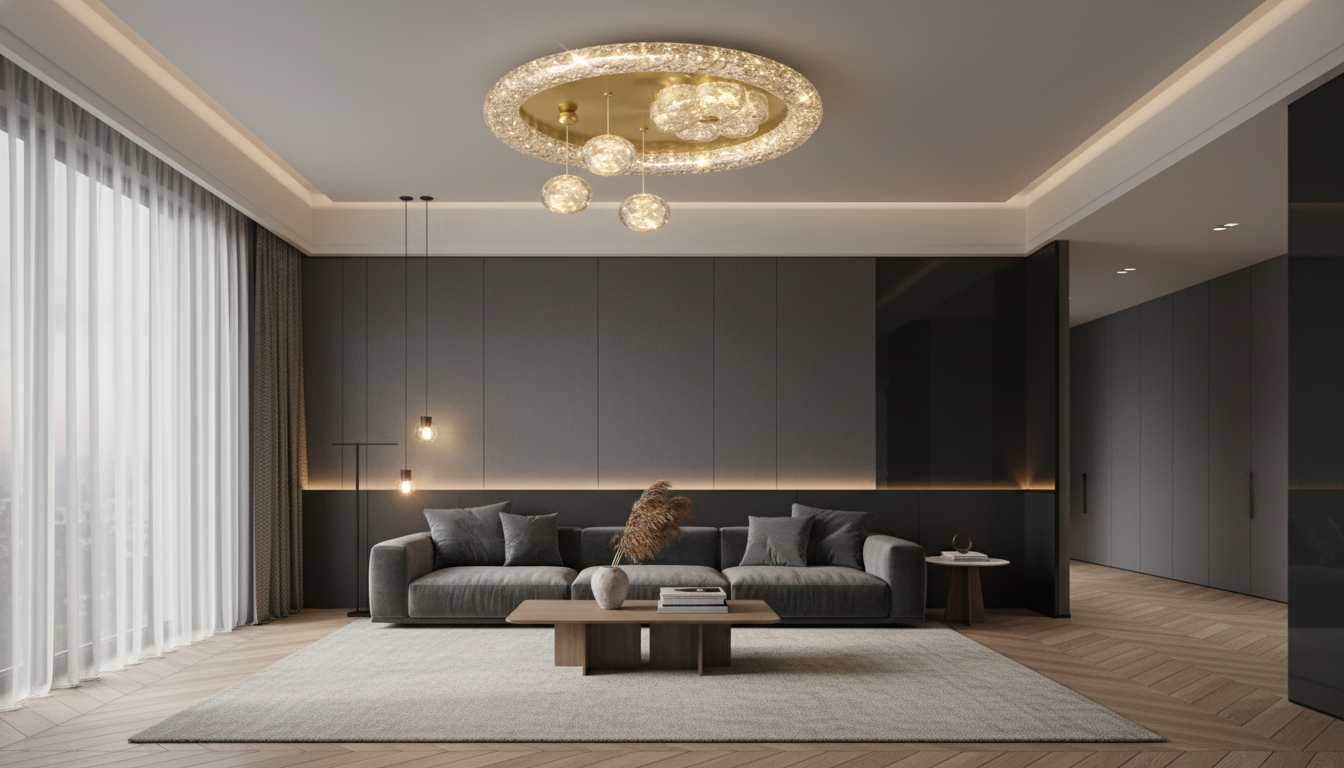
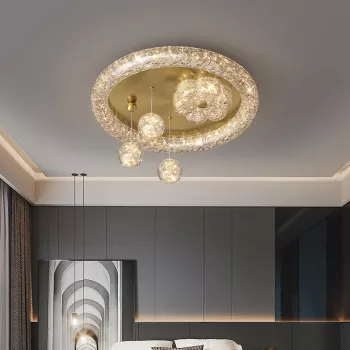
Modern Luxury Moonlight LED Ceiling Light
A ceiling light can set the entire mood of a room—especially when the goal is a soft, moonlit glow paired with a refined, modern silhouette. The Modern Luxury Moonlight LED Ceiling Light is designed to serve as a statement fixture while delivering efficient, comfortable illumination suited to everyday living spaces. The result is lighting that looks intentional in daylight and feels calming after dark—without the harsh glare that can make a room feel flat.
What Makes the “Moonlight” Look Work
That “moonlight” effect isn’t about dim lighting—it’s about the quality of the light and how it lands across surfaces. A well-designed LED ceiling fixture can transform the ceiling plane into a gentle reflector, helping the room feel softer and more balanced.
- Diffused illumination: Light is distributed to reduce hotspots and help create a calm, even glow across the ceiling and walls.
- A contemporary, sculptural profile: The fixture reads as design-forward during the day and atmospheric at night.
- Balanced ambient brightness: Strong enough to function as a primary ceiling light, while still pairing well with layered lighting (floor lamps, table lamps, or wall lights) for depth.
- Luxury through proportion and finish: A premium feel often comes down to clean edges, thoughtful scale, and how evenly the room is illuminated.
At a Glance
If the goal is a modern interior with a ceiling focal point that doesn’t overwhelm the room, this style of fixture is a strong fit. LED technology also brings practical benefits—especially efficiency and long service life. For guidance on why LEDs have become the default for many homes, the U.S. Department of Energy offers a helpful overview: LED Lighting.
- Designed for modern interiors that need a standout ceiling focal point
- LED-based lighting for efficiency and long service life compared with many traditional bulbs
- Best results come from matching the fixture to room size, ceiling height, and preferred color temperature
Quick Overview
| Detail | What to consider |
|---|---|
| Placement | Center of room for ambient light; over seating areas for a more intimate glow |
| Ceiling height | Lower ceilings benefit from flush/low-profile fixtures; taller ceilings can handle more visual presence |
| Light tone | Warm white for cozy spaces; neutral white for a clean, modern look |
| Control | Dimmer compatibility depends on driver/switch pairing—confirm before installation |
| Maintenance | Dust periodically; avoid harsh cleaners on decorative finishes |
Where It Fits Best
A moonlit-style ceiling light is most impactful where the room benefits from a soft, even layer of illumination—then gets “finished” with accent lighting. In many homes, that combination reads more elevated than relying on a single bright source.
- Living rooms: Anchors the ceiling plane and supports a calm, evening-friendly ambiance—especially with side lamps for depth.
- Bedrooms: Complements softer lighting schemes when paired with bedside lamps; the overhead glow can stay gentle rather than clinical.
- Dining areas: Works well with layered light—use dimming to move from bright dining to relaxed lounging.
- Entryways and halls: Creates an elevated first impression while keeping paths well-lit and comfortable.
Choosing the Right Brightness and Color Temperature
Two rooms can use the same fixture and feel completely different depending on wall color, ceiling height, and light tone. If your space has darker paint, wood ceilings, or matte finishes that absorb light, you’ll typically want more output (or additional layers of lighting).
- Match brightness to the room: Larger rooms and darker finishes generally need more light, while bright walls and ceilings help bounce light for a fuller glow.
- Warm white for a true “moonlit” vibe: Often around 2700K–3000K, warm light tends to feel more relaxing and flattering in living spaces.
- Neutral white for a crisp, architectural look: Often around 3500K–4000K, it pairs nicely with modern materials like stone, glass, and metal.
- If dimming matters, confirm compatibility: LED drivers and dimmers must be paired correctly (for example, trailing-edge/ELV vs. leading-edge/TRIAC) to avoid flicker or limited dim range.
For additional context on efficient lighting standards and best practices, ENERGY STAR provides a useful overview of lighting options and performance considerations: ENERGY STAR Lighting.
Installation Notes for a Clean, Luxury Finish
Modern ceiling fixtures look their best when the install is precise. Small alignment issues can stand out once the light is on—especially with symmetrical designs that are meant to read as “perfectly placed.”
Care, Longevity, and Everyday Use
For a deeper look at lighting quality and how illumination is measured and applied in real spaces, the Illuminating Engineering Society is a respected reference: Illuminating Engineering Society (IES).
Product Details and Purchase
- Name: Modern Luxury Moonlight LED Ceiling Light
- Availability: In stock
- Price: $1112.49 (USD)
- Note: For the latest photos and any updated specifications, refer to the product page.
More In-Stock Picks
- Men’s Genuine Leather Belt – Classic 1.5 Inch Retro Business & Casual Strap
- Elegant French Burgundy Velvet Long-Sleeve Banquet Dress for Autumn
- New Puppy Training Starter Guide | Printable Puppy Training eBook for Beginners
FAQ
Is an LED ceiling light suitable as the main light in a room?
Yes—when the brightness level and light distribution match the room size and finishes, an LED ceiling light can work as the main ambient source. For a more premium look and better comfort, layer it with lamps or wall lighting to add depth and reduce glare.
Can this type of LED ceiling light be dimmed?
Often yes, but dimming depends on the fixture’s LED driver and the type of dimmer switch being used. Confirm compatibility (such as ELV/trailing-edge vs. TRIAC/leading-edge) before installation to avoid flicker or limited dim range.
What color temperature creates the most “moonlight” feel?
Warm white—typically around 2700K to 3000K—usually feels closest to a soft, evening “moonlit” ambiance. Neutral white can look cleaner and more modern, but it may feel brighter and more architectural.









Leave a comment