How to Fish a 3-Pack of Sinking Pencil Baits
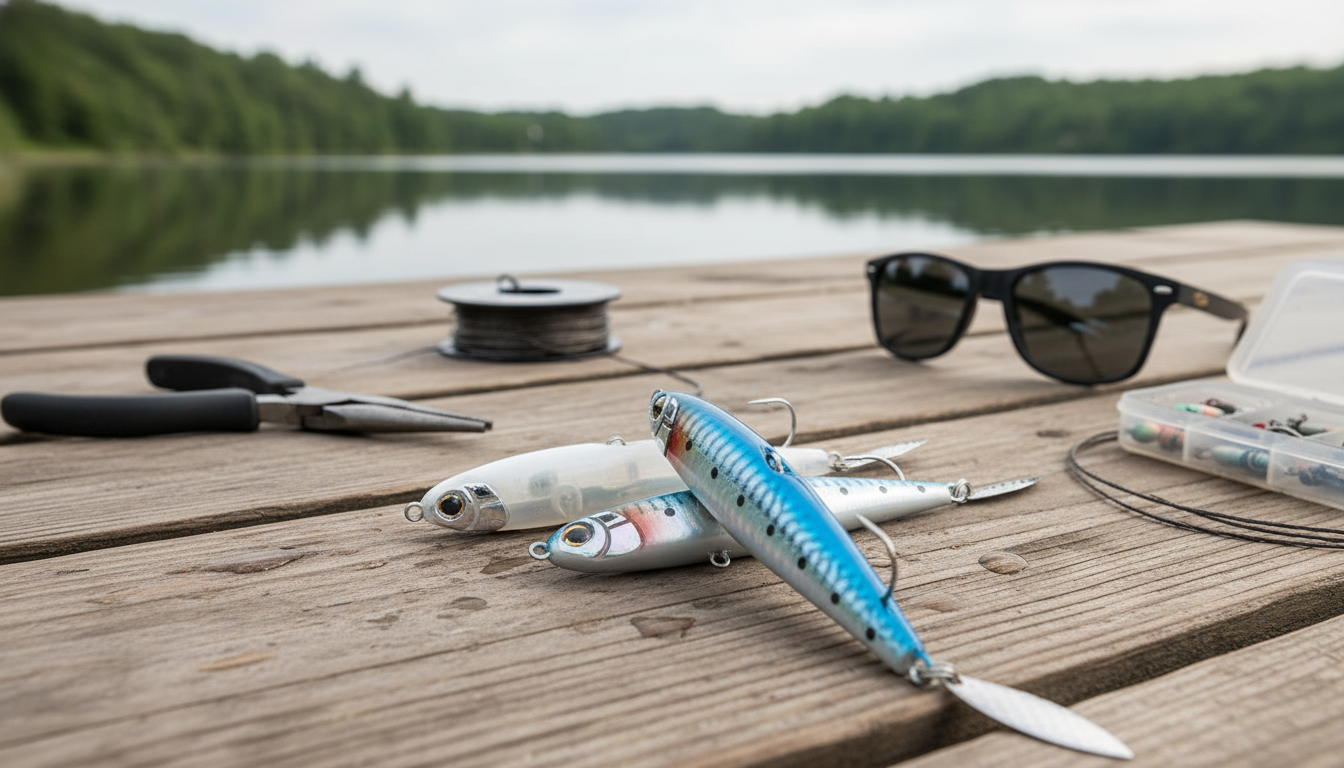
Premium 3-Pack Sinking Pencil Baits: When to Use Them and How to Fish Them
Sinking pencil baits are built for covering water fast, reaching fish holding below the surface, and staying effective when wind, waves, or current make topwater difficult. A compact profile and a controlled sink let anglers work the lure through the strike zone with a steady cadence, sharp twitches, or a stop-and-go fall that triggers reaction bites. When fish are keyed in on small bait or riding just under the surface film, a sinking pencil can be the difference between follows and solid hookups.
What a Sinking Pencil Bait Does Differently
Unlike floating pencils that demand constant surface tension to stay “alive,” a sinking pencil bait keeps working when conditions get messy or fish refuse to break the surface.
- Sinks on the pause, allowing the lure to reach fish that won’t commit to surface presentations.
- Keeps control in wind and chop where floating pencils can get pushed off track.
- Casts far due to weight distribution, helping reach busting fish or distant rips from shore.
- Works as a “search bait” to locate active fish, then can be slowed down to seal the deal.
That sink-on-command behavior is also a stealth advantage: instead of constantly skating on top, the bait can dip into the strike zone, hover briefly, and then fall—often when predators decide it’s time to eat.
Best Times and Places to Throw Sinking Pencils
Sinking pencils shine anywhere bait is getting swept, pinned, or pushed through predictable travel lanes.
- Current edges: rips, inlets, bridges, and points where bait is swept along seams.
- Windy shorelines: when chop makes subtle surface lures hard to see or track.
- Over deeper flats: let the lure sink to mid-water, then retrieve just above bottom snags.
- Schooling fish: cast beyond the bust, let it sink briefly, then sweep through the school.
- Low light: dawn, dusk, and overcast days when fish push bait up but still strike subsurface.
If you’re fishing tide-driven water, plan sessions around moving water windows and seam formation. A quick check of NOAA Tides & Currents helps pinpoint when a rip is likely to turn on, especially around inlets and bridge pinch points.
Retrieve Styles That Consistently Produce
The most reliable approach is to pick one retrieve to start, then adjust sink time and cadence until the lure intersects the depth fish are actually using.
- Straight swim: steady retrieve to imitate an escaping baitfish; add a brief pause every few turns.
- Twitch-and-glide: short rod tip taps followed by slack to let the lure dart and fall naturally.
- Sweep and pause: longer rod sweeps for speed, then a pause to let it sink into the hit zone.
- Burn-and-kill: fast retrieve for aggressive fish, then sudden stop; strikes often happen as it drops.
- Count-down approach: time the sink (e.g., 3–8 seconds) to target a specific depth band before retrieving.
Conditions and Retrieves
| Water & Situation | Recommended Retrieve | Pause/Sink Cue | Why It Works |
|---|---|---|---|
| Chop or strong wind | Steady swim with occasional twitches | Short pauses (1–2 sec) | Maintains contact and keeps the lure tracking true |
| Clear water, pressured fish | Twitch-and-glide | Longer pauses (2–4 sec) | Looks natural and gives fish time to commit |
| Fast current at rips/inlets | Sweep and pause | Pause just after crossing the seam | Lets the lure drop like a stunned baitfish |
| Fish blitzing then sounding | Burn-and-kill | Hard stop after a fast burst | Triggers reaction strikes on the fall |
| Deeper holding fish | Count-down then slow roll | Repeat the same count every cast | Keeps the lure in the same depth lane consistently |
Gear Setup for Better Hookups and Fewer Break-offs
A sinking pencil often gets eaten at distance or on the fall, so the setup should protect against slack-line hits while still letting the lure move freely.
For more general best practices on fighting fish, leader use, and responsible angling guidance, the International Game Fish Association (IGFA) is a solid resource.
Choosing Color, Profile, and Sink Rate
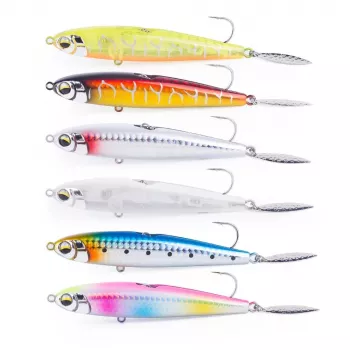
Premium 3-Pack Sinking Pencil Baits: A Practical Loadout
Carrying multiple sinking pencils isn’t about clutter—it’s about staying efficient when the bite window is short. The Premium 3-Pack Sinking Pencil Baits makes it easy to rotate presentations quickly without overpacking your bag.
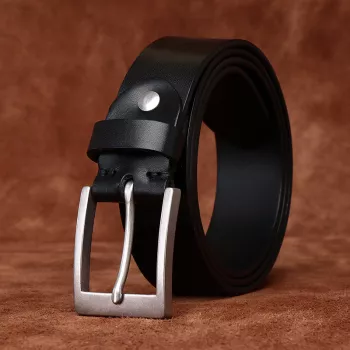
For shore sessions where you’re carrying gear for hours, small comfort upgrades matter too. A sturdy, dependable strap like the Men’s Genuine Leather Belt – Classic 1.5 Inch Retro Business & Casual Strap can be a practical add-on for keeping tools, pliers sheaths, or wader accessories secure.
Care, Storage, and On-the-Water Checks
FAQ
How long should a sinking pencil bait sink before starting the retrieve?
Use a simple count-down based on depth and current; start with 3–5 seconds in moderate water, then adjust until strikes happen or the lure ticks bottom. Once bites start, repeat the same count to keep the lure in the productive depth band.
Do sinking pencil baits work better with a snap or a direct knot?
Either can work; a loop knot often maximizes freedom of movement, while a high-quality snap speeds changes. Avoid bulky hardware that limits the lure’s side-to-side glide or causes it to roll.
What retrieve should be tried first when fish are feeding but not striking?
Switch from a steady retrieve to twitch-and-glide with longer pauses. Many hesitant fish commit as the lure falls or glides on slack line, especially right after a small dart.













Leave a comment