Handle Rejection with Confidence: 4-Step Reset Routine

How to Handle Rejection with Confidence: A Practical Routine for Emotional Resilience
Rejection can sting in the moment, but it doesn’t have to define self-worth or derail progress. Confidence after a “no” is a skill: noticing the emotional spike, stabilizing the body, challenging the story the mind creates, and choosing a next step that protects dignity and momentum. The goal isn’t to feel nothing—it’s to recover faster, communicate clearly, and stay grounded whether the rejection happened in dating, work, friendships, or creative goals.
Why Rejection Feels So Personal (Even When It Isn’t)
Your brain often treats rejection like a threat. Even when nothing “dangerous” is happening, the nervous system can react with a tight chest, racing thoughts, or a loop of rumination. This isn’t weakness—it’s biology doing its best to protect you.
What makes rejection feel unbearable is often the meaning the mind attaches to it. Common mental shortcuts include mind-reading (“They hate me”), catastrophizing (“It will always be like this”), and identity fusion (“I am rejected”). Confidence isn’t the absence of hurt; it’s the ability to stay self-respecting while feeling it.
A helpful separation is: (1) what happened, (2) what it might mean, and (3) what it does not prove. Example: “They didn’t choose my proposal” (event). “Maybe it didn’t fit their timeline or priorities” (possible meaning). “This doesn’t prove I’m untalented or unworthy” (what it does not prove).
The 4-Step Reset: Feel, Name, Reframe, Choose
This routine is designed for the first few minutes after a “no,” when you’re most likely to spiral or send a message you’ll regret.
1) Feel (60–90 seconds)
Let the initial wave move through without reacting. Breathe slower than usual, drop your shoulders, and unclench your jaw. If you can’t think clearly, that’s a sign you need body-first regulation before problem-solving.
2) Name
Label the emotion precisely: disappointed, embarrassed, angry, lonely, ashamed, or frustrated. Accurate labels reduce overwhelm and bring the thinking brain back online.
3) Reframe
Replace global conclusions with specific, testable statements. “This wasn’t a match” is workable; “I’m unlovable” is a verdict. A reframe is not forced positivity—it’s refusing to treat one moment as a full identity summary.
4) Choose
Pick one small next action aligned with your values: rest, reach out, practice, revise, ask for feedback, or set a boundary. One grounded action restores agency quickly.
Mini-script for the moment: “This hurts. It’s temporary. I can handle it. Next step: ____.”
| If the mind says… | Try this reframe… | One next action |
|---|---|---|
| “I’m not good enough.” | “One outcome isn’t a full evaluation of me.” | List 3 past wins or skills you’ve built. |
| “They rejected me because I’m flawed.” | “They chose based on fit, timing, or preferences.” | Ask for feedback or clarify criteria (if appropriate). |
| “I always fail.” | “This is one data point, not a pattern destiny.” | Define a 7-day practice goal and track it. |
| “I can’t face them again.” | “I can be calm and brief; I don’t owe over-explaining.” | Use a short boundary or neutral reply. |
| “This means I should quit.” | “Pausing is allowed; quitting is a separate decision.” | Take a 24-hour reset, then review options. |
Confidence-Protecting Responses: What to Say (and What to Avoid)
Dignity first: short, clear, and kind beats over-explaining or pleading. If emotions are high, choose “brief and neutral” over “thorough and emotional.”
- Work rejection reply: “Thank you for letting me know. If you can share one area to strengthen, I’d appreciate it.”
- Dating/social rejection reply: “Thanks for being honest. Wishing you well.”
- If the rejection is disrespectful: “I’m going to step back from this. Take care.”
- If you need time to avoid reacting: “Got it. I’m going to log off for a bit.”
Avoid rapid-fire texts, self-insults, bargaining, or public venting that will amplify shame later. Calm is a power move, even if you’re still hurting.
Printable-Style Exercises to Build Emotional Resilience
Resilience grows through repetition. These quick exercises make rejection less shocking over time and shorten the recovery window. For a structured option with repeatable worksheets and moment-of-rejection prompts, consider How to Handle Rejection with Confidence — Digital Self-Growth Guide for Emotional Resilience (Printable Workbook).
Turning Rejection Into Useful Data (Without Self-Blame)
If you want a research-grounded framework for building bounce-back capacity, the American Psychological Association’s overview of resilience is a solid reference. For evidence-based tools that pair well with reframing and thought records, the National Library of Medicine’s CBT overview explains why these methods help.
When Rejection Triggers Deep Shame or Anxiety
A Simple 7-Day Confidence Rebuild Plan
Small Confidence Boosters for the Next Attempt
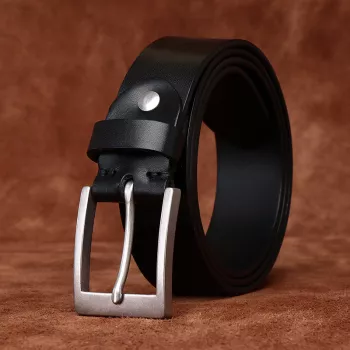
- Men’s Genuine Leather Belt – Classic 1.5 Inch Retro Business & Casual Strap
- Elegant French Burgundy Velvet Long-Sleeve Banquet Dress for Autumn
FAQ
How long does it take to feel confident again after rejection?
It can take hours to a few weeks depending on how high-stakes the situation felt and how supported you are. A consistent reset routine (body calming, naming, reframing, and one next action) usually shortens rumination and speeds recovery.
What should you say when someone rejects you without sounding desperate?
Keep it brief and respectful: “Thanks for being honest. Wishing you well,” or for work, “Thank you for letting me know—if you can share one area to strengthen, I’d appreciate it.” Skip feedback requests when the other person is clearly disengaged, disrespectful, or unsafe.
How do you stop taking rejection personally?
Separate the event from the meaning: write one sentence for what happened and one for what it doesn’t prove about you. Then ask data-focused questions like “Was this fit, timing, or a skill gap?” to shift from identity judgments to actionable next steps.














Leave a comment