Floral Fleece Dog Tank Coat: Warm Fit for Small Pets
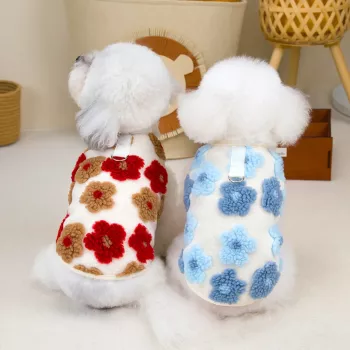
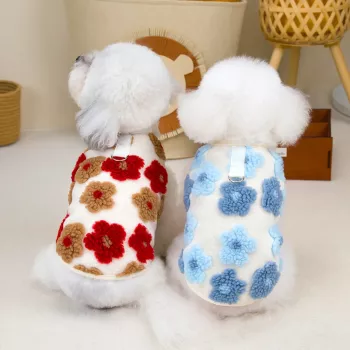
Cozy Floral Fleece Dog Tank Coat for Small Pets
A soft fleece tank coat can make chilly walks and drafty rooms more comfortable for small pets that lose body heat quickly. This floral fleece design focuses on warmth without bulky sleeves, helping many dogs (and some cats) move freely while staying snug. For everyday cold-weather common sense, it’s also worth reviewing guidance from the American Veterinary Medical Association (AVMA) and the ASPCA on cold weather safety.
What makes a fleece tank coat practical
- Warmth with low bulk: Fleece helps trap heat while staying lightweight for small frames, which can matter for pets that get overwhelmed by heavy layers.
- Easy on/off: Tank-style openings typically reduce fuss around legs and paws, making it quicker to get out the door for potty breaks.
- Everyday comfort: A soft interior feel can be gentler for pets that dislike stiff outerwear or noisy fabrics.
- Indoor-to-outdoor versatility: Useful for quick trips outside, car rides, and cool indoor floors where pets tend to curl up and lose warmth.
Best situations to use it
- Cold mornings and evenings when the air is crisp but not extreme.
- Short-haired, senior, or small-bodied pets that chill easily during normal daily routines.
- Post-grooming or after baths when a pet may feel colder than usual (only once fully dry).
- Drafty homes—especially for lounging near doors, windows, or on tile floors.
- Layering under a rain shell on wet days (avoid tight layering that restricts breathing or movement).
Fit and sizing: measure before choosing
Getting the fit right is the difference between “cozy” and “annoying.” A fleece tank coat should feel snug and secure without squeezing, pinching, or riding up as your pet moves.
- Measure chest girth at the widest part of the ribcage; this is often the most important number for comfort.
- Measure back length from the base of the neck (where a collar sits) to the base of the tail.
- If between sizes, prioritize chest fit: a coat that’s too tight can rub and limit comfortable breathing.
- Check neckline and arm openings: your pet should walk, sit, and lie down without pinching or gaping.
- For long-coated breeds, allow a little extra room so fur doesn’t mat from constant friction.
Quick measuring guide for small pets
| Pet size range | Chest girth | Back length | Fit check |
|---|---|---|---|
| Very small | 8–12 in (20–30 cm) | 6–9 in (15–23 cm) | No tightness behind front legs; neckline rests flat |
| Small | 12–16 in (30–41 cm) | 9–12 in (23–30 cm) | Comfortable two-finger space at chest; stride is normal |
| Small-plus | 16–20 in (41–51 cm) | 12–15 in (30–38 cm) | No riding up when sitting; coat stays centered |
Comfort and safety checks during wear
Even a soft fleece layer can become uncomfortable if it shifts, fits too tightly, or gets damp. A few quick checks help keep your pet relaxed and safe.
- Supervise the first few wears to confirm there’s no chewing, snagging, or stress behaviors (freezing, frantic scratching, or trying to wriggle out).
- Look for rubbing at the armpits and chest: redness or thinning fur can mean the openings are too tight or the coat is twisting as they walk.
- Keep the hem clear of potty areas to reduce soiling and skin irritation—especially for very small pets with low clearance.
- Avoid overheating: if your pet is panting indoors or feels hot to the touch, remove the coat and offer water.
- Use a properly fitted harness/collar as usual, and make sure the fabric doesn’t interfere with leash attachment or create pressure points.
Care and maintenance for fleece
- Shake off debris after walks and spot-clean small stains quickly to reduce lingering odors.
- Wash on a gentle cycle in cool water when needed; use mild detergent and avoid strong fragrances that may irritate sensitive pets.
- Air-dry or tumble on low heat to help preserve softness and reduce shrink risk.
- Brush off lint and shed hair with a pet-safe lint roller or a soft brush, especially around seams and arm openings.
- Inspect seams and openings regularly; repair small tears early so they don’t enlarge and snag.
Style details that still matter
Product pick
Cozy Floral Fleece Dog Tank Coat for Small Pets is a warm, lightweight option for everyday comfort in cooler conditions. For messy seasons, keeping a second clean layer on hand can help—one can dry after washing while the other stays ready for the next outing.
More in-stock picks from our shop
- Vintage Glass Pendant Light with LED Compatibility for Indoor and Outdoor Spaces
- Simple Daily Rituals to Soothe Your Mind – Digital Guide
- Solo Traveler’s Guide to Staying Safe | Digital Download PDF eBook
FAQ
How should a tank coat fit a small dog?
It should sit snugly without squeezing, with chest girth as the priority. Your dog should be able to walk and sit normally with no rubbing at the armpits or neckline.
Can a fleece coat be worn indoors all day?
Many pets can wear fleece comfortably indoors in cooler homes, but remove it if your pet pants, seems restless, or the room warms up. Check daily for any rubbing on skin and fur, especially behind the front legs.
How do you wash a fleece pet coat without ruining it?
Use cool water on a gentle cycle with mild detergent, and skip harsh additives that can affect softness. Air-dry or tumble dry on low to reduce shrinkage and keep the fleece comfortable.













Leave a comment