90mm Planar Magnetic Headphones: Studio & Audiophile Guide
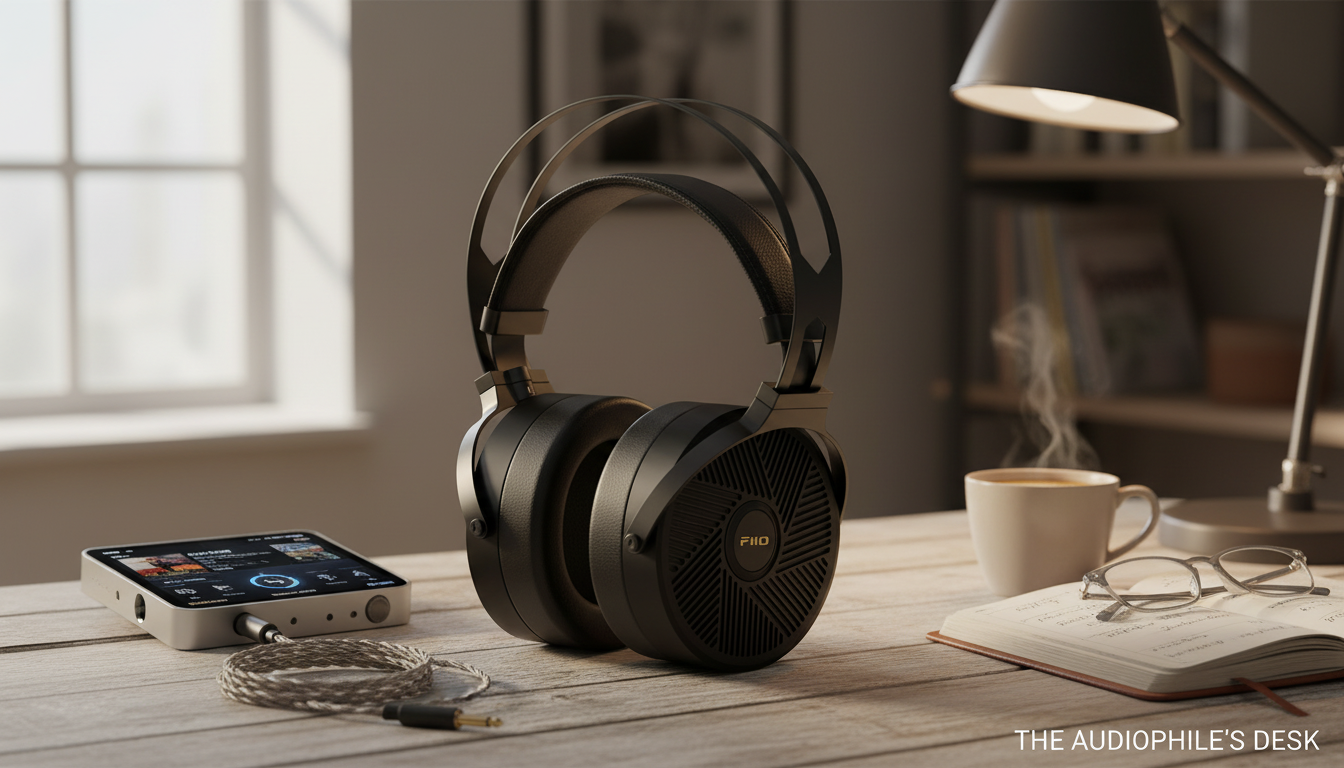
High-Performance 90mm Planar Magnetic Headphones: What to Expect
Planar magnetic headphones with oversized 90mm drivers are engineered for speed, control, and low distortion—traits that show up fast when you’re editing transients, judging compression, or settling into long listening sessions. A strong 90mm planar design can feel “effortless” at moderate-to-loud monitoring levels, keeping the presentation composed instead of grainy or congested. For more guidance, see HIFIMAN Edition X Over Ear Planar Magnetic Headphones – Head-Fi.
Below is a practical look at what a high-performance 90mm planar platform typically changes, how to match it with sources and amps, and how to dial in fit and setup so you can trust what you’re hearing in both studio and audiophile contexts. For further reading, see Headphones – Wikipedia.
What 90mm Planar Magnetic Drivers Change
The defining advantage of a large planar driver is consistent control across a wide radiating surface. That tends to translate into cleaner microdetail, more stable imaging, and bass that feels tight and layered rather than “thumpy by default.”
- Fast transient response: Planar diaphragms often start and stop quickly, helping cymbal texture, string articulation, and microdynamics feel less smeared.
- Low distortion at higher playback levels: A larger radiating area can reduce strain when monitoring peaks or evaluating compression artifacts.
- More even driver control across the diaphragm: Can improve image stability and reduce “hot spots” compared with some dynamic designs.
- Bass character: Planar bass frequently presents as controlled and layered; sub-bass reach depends heavily on seal and pad geometry.
- Perceived stage and separation: Many planar models emphasize clean left/right placement, which helps with panning decisions and reverb tail evaluation.
Planar Magnetic vs Dynamic Headphones (Practical Differences)
| Aspect | Planar Magnetic (90mm class) | Dynamic (typical) |
|---|---|---|
| Transient detail | Often very crisp and precise | Can be punchy but may smear depending on driver and enclosure |
| Bass presentation | Controlled, textured, extends with good seal | Often more mid-bass punch; extension varies widely |
| Distortion at volume | Commonly lower at loud monitoring levels | Varies; some can compress or distort sooner |
| Power needs | Frequently benefits from more current | Often easier to drive (but not always) |
| Mix translation checks | Great for low-level detail and balancing layers | Great for impact and “speaker-like” voicing depending on model |
Sound Signature Priorities for Studio and Audiophile Listening
A 90mm planar driver can reveal fine detail, but “more detail” only helps if the tonal balance stays dependable. For mixing, mastering, and critical listening, the best target is a signature that’s clear without being sharp, and full without being bloated.
- Neutral mids for decision-making: Vocals, guitars, and snare body should sit naturally without a cupped or nasal coloration.
- Treble clarity without fatigue: Presence should be clean around sibilance regions; harshness can lead to under-EQ decisions.
- Sub-bass integrity: Controlled extension helps judge kick/bass relationship and low-end compression without guessing.
- Imaging and center focus: A stable phantom center supports vocal placement and quick mono compatibility checks.
- Dynamics at low volume: Strong micro-contrast helps you catch edits, fades, and low-level artifacts without cranking level.
For measurement-driven comparisons and consistent test methodology, resources like RTINGS Headphones Test Methodology can be useful context alongside real-world listening.
Comfort, Fit, and Isolation in Long Sessions
With planar headphones, fit isn’t just comfort—it’s frequency response. A small seal issue can thin the sub-bass, shift the tonality brighter, and even pull the center image off to one side.
- Clamp and pad seal: Glasses, hair, or shallow pads can reduce sub-bass and change the perceived balance.
- Weight distribution: Larger driver assemblies can increase cup size; prioritize headband padding and stable yokes to avoid hotspot pressure.
- Breathability: Open-back or semi-open designs often run cooler and feel spacious, but offer limited isolation.
- Studio practicality: Open-back reduces internal reflections and can help long editing sessions, but it leaks into microphones—better for mixing than tracking vocals.
- Pad materials: Velour often reduces bass weight and increases perceived air; leather/synthetic can improve seal and low-end authority.
For practical studio workflow considerations, Sound On Sound’s guidance on using headphones for mixing is a solid reference point.
Amplification and Source Matching
For deeper engineering perspective and research, the Audio Engineering Society (AES) Publications archive is a respected source.
Getting a Reliable Reference: Setup Tips
Featured Option: High-Performance 90mm Planar Magnetic Headphones
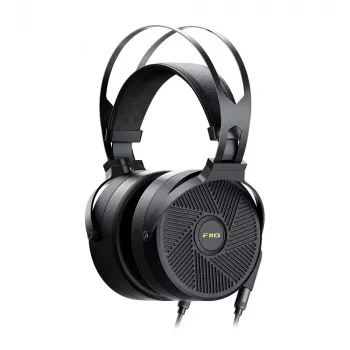
If the priority is separation, speed, and control—especially for mix evaluation and critical listening—consider the High-Performance 90mm Planar Magnetic Headphones for Audiophiles & Studio Use. The oversized 90mm planar platform is designed for high detail retrieval and composed bass response, and it pairs best with a clean, low-noise source plus an amplifier that can deliver confident current for full dynamics.
Quick Snapshot
| Item | Details |
|---|---|
| Product | High-Performance 90mm Planar Magnetic Headphones for Audiophiles & Studio Use |
| Price | $807.47 USD |
| Availability | In stock |
More In-Stock Picks (Also Available)
- Vintage Glass Pendant Light with LED Compatibility for Indoor and Outdoor Spaces (in stock)
- Liu Jo Women’s Blue Plain Jeans – Spring/Summer Denim (in stock)
- Only Women’s Blue Organic Cotton Skirt (in stock)
FAQ
Do planar magnetic headphones need a headphone amplifier?
Many planar headphones benefit from an amp with strong current delivery and clean headroom. Some laptops and interfaces can power them, but bass control, punch, and overall dynamics often improve with a dedicated headphone amp.
Are open-back planar headphones suitable for studio recording?
Open-back planars are excellent for mixing and long sessions because they tend to sound spacious and reduce ear fatigue. However, they leak sound, so they’re usually a poor choice for vocal or instrument tracking near microphones.
What does a 90mm planar driver size mean for sound?
A larger diaphragm can move air with less strain, which can support low distortion and controlled bass. Driver size helps, but final tuning, pads, seal, and enclosure design are just as important to the end result.












Leave a comment