5500W 110V/220V Tankless Water Heater: Setup Guide
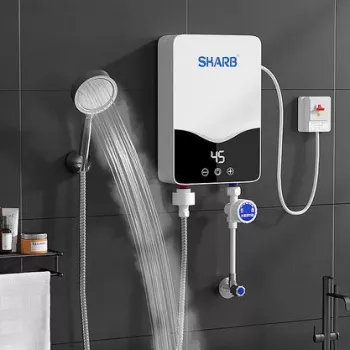
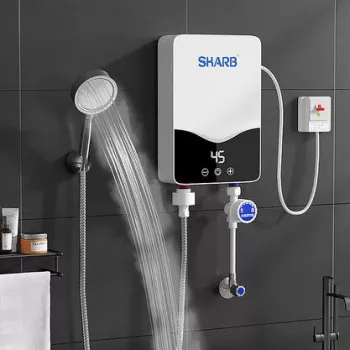
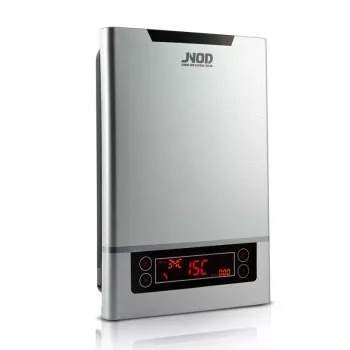
110V/220V 5500W Instant Tankless Electric Water Heater for Bathroom & Home: What to Expect and How to Set It Up
Instant electric water heaters are designed to warm water as it flows, helping reduce standby heat loss and freeing up space compared with storage tanks. A compact 110V/220V 5500W unit can be a smart fit for bathroom and small-home needs—especially when the goal is faster hot water at a sink or a single, staggered-use fixture. The key is planning around real-world limits: incoming water temperature, flow rate, and the electrical capacity available where you want to mount it.
What an instant electric water heater does (and doesn’t do)
An instant (tankless) electric heater turns on when you open a hot tap and heats water on-demand instead of storing it in a tank. That means no waiting for a tank to recover between uses—but it also means the heater can only raise temperature as much as its wattage allows at the flow you’re asking for.
- Heats water on-demand when a hot tap is opened, rather than storing hot water in a tank.
- Performance is limited by incoming water temperature, flow rate, and available electrical power.
- Best for point-of-use or small-demand locations (single bathroom sink, light shower use depending on conditions) rather than whole-house multi-fixture simultaneous use.
- Expect temperature rise to vary seasonally: colder inlet water requires more power or lower flow to reach the same outlet temperature.
For background on how tankless systems generally perform and why inlet temperature matters, the U.S. Department of Energy offers a clear overview: Tankless (On-Demand) Water Heaters.
Where this 110V/220V 5500W unit fits in a bathroom or home
A 5500W instant electric model is usually most satisfying when it’s installed close to the fixture and used for one hot-water demand at a time. Think “fast hot water at the point of use,” not “run everything at once.”
- Bathroom sink or vanity: quick handwashing and shaving water without waiting for a distant tank to send hot water down a long pipe.
- Guest bath or powder room: reduces waste from running water while waiting for warm water.
- Small studio, ADU, or cabin: can support one hot-water point at a time when usage is staggered.
- Situations to avoid: running multiple hot fixtures at once, or expecting high-flow shower performance during very cold inlet-water months without verifying temperature-rise capability.
If shower comfort is a goal, plan around flow. A lower-flow showerhead can make a noticeable difference in perceived warmth and stability; EPA WaterSense has practical guidance on efficient showerheads here: EPA WaterSense — Showerheads.
Key specifications and planning checklist
Before installing, confirm that your electrical service and wiring plan match how the heater will be used. This is where many “it works great” installs differ from frustrating ones.
- Power and voltage: this model is rated 5500W and supports 110V/220V operation; the available supply voltage affects current draw and wiring/breaker requirements.
- Circuit capacity: many on-demand units require a dedicated circuit; confirm breaker size, wire gauge, and local code requirements before purchase/installation.
- Water connections: verify inlet/outlet orientation, pipe size compatibility, and whether adapters are needed for existing plumbing.
- Mounting location: choose a dry, accessible spot with enough clearance for service and safe routing of electrical conduit/cable.
- Temperature control expectations: outlet temperature depends on flow and inlet temperature; consider adding a low-flow aerator or showerhead to improve perceived warmth when conditions are challenging.
| Item | Details |
|---|---|
| Type | Instant (tankless) electric water heater |
| Rated power | 5500W |
| Supported voltage | 110V / 220V |
| Typical placement | Bathroom / point-of-use / small-demand areas |
| Space requirements | Compact wall/near-fixture mounting; allow service access |
| Sizing note | Final water temperature depends on inlet temperature and flow rate |
Electrical safety and code considerations
Electric tankless units can draw substantial current when they ramp up, so electrical planning is not the place to improvise.
For a practical safety refresher on GFCIs in wet/damp areas, see: U.S. CPSC — Ground Fault Circuit Interrupters (GFCIs).
Plumbing installation notes for reliable hot water
How to get better temperature and comfort from an instant heater
Maintenance and troubleshooting basics
Is this the right upgrade compared with a small tank?
Extras to support a smoother home upgrade
- Vintage Glass Pendant Light with LED Compatibility for Indoor and Outdoor Spaces
- Simple Daily Rituals to Soothe Your Mind – Digital Guide for Simple Rituals to Calm My Mind Daily, Stress Relief, Mindfulness Routine & Mental Clarity
- Solo Traveler’s Guide to Staying Safe | Guide | Digital Download PDF eBook | Solo Travel Safety Tips & Checklist | Travel Security Planning
FAQ
Can a 5500W instant electric water heater run a shower comfortably?
It can, but comfort depends on incoming water temperature and the shower’s flow rate. In colder months, you may need to reduce flow (or use a low-flow showerhead) to maintain a consistently warm outlet temperature, and it’s best treated as a single-fixture solution.
Does this type of heater need a dedicated circuit?
Many instant electric units require a dedicated circuit because they draw high current when heating. Confirm the heater’s wiring and breaker requirements, follow local code, and use a licensed electrician if you’re adding or modifying a circuit.
What maintenance does an instant electric water heater need?
Plan on periodic checks for leaks, cleaning inlet screens or fixture aerators, and descaling if you have hard water. The right interval depends on water hardness, usage, and the manufacturer’s maintenance guidance.












Leave a comment