14-Key Mechanical Keypad Door Lock: No Batteries Needed
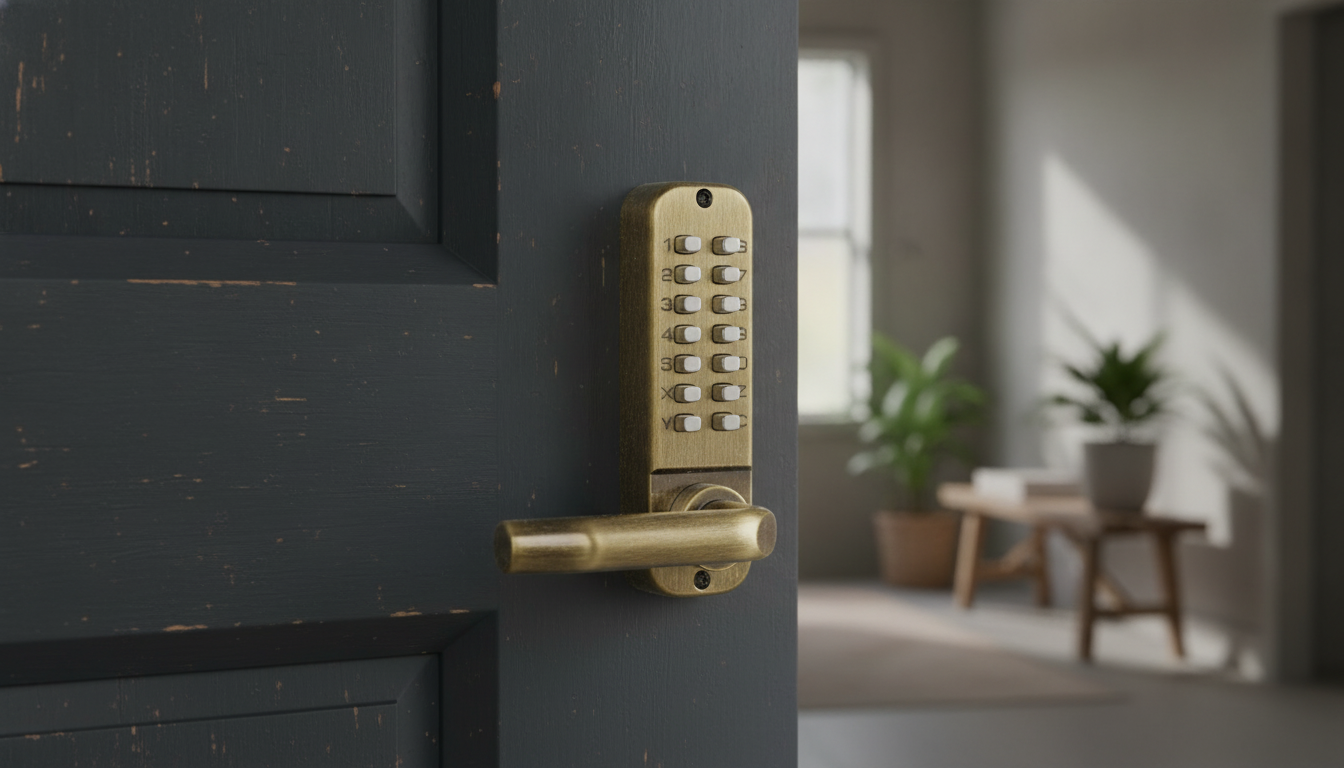
Mechanical Keyless Entry Door Lock with 14-Key Keypad Handle: Simple Access Without Batteries
A mechanical keypad door lock is a practical way to control access without relying on apps, Wi‑Fi, or battery power. This style combines a keypad on the exterior with a handle set and a traditional key override, making it suitable for everyday entry while keeping a familiar backup option. The 14-key layout supports flexible code patterns and is often chosen for doors that need dependable access in all weather and power conditions.
What This Lock Is Designed to Do
Mechanical keypad handle locks focus on reliability and routine usability. Instead of circuitry and battery compartments, the keypad drives a mechanical mechanism—so day-to-day unlocking doesn’t depend on power or connectivity.
- Provide keyless entry using a mechanical keypad—no charging, pairing, or battery replacement required for normal operation.
- Keep access straightforward for households, small offices, storage rooms, workshops, and rental entry points where reliability matters more than connected features.
- Offer a traditional key override as a fallback for emergencies or shared access scenarios.
- Use a handle-style format that feels familiar for daily use compared with deadbolt-only keypad options.
Key Features to Look For in a Mechanical Keypad Handle Lock
Mechanical keyless entry hardware is all about repeatable performance. Before buying, it helps to confirm a few details that affect security, comfort, and long-term durability.
- Keypad layout and code flexibility: a higher key count (like 14 keys) can allow more varied code patterns and reduce obvious, easily guessed combinations.
- Mechanical durability: internal components should be designed to tolerate frequent use, outdoor temperature swings, and occasional dirt or dust exposure.
- Weather resistance: exterior-facing keypad and trim should stand up to rain and humidity; consider a sheltered installation if the door is fully exposed.
- Key override: confirm a keyed option is included for backup entry, especially for properties with multiple users.
- Door compatibility: check the door’s thickness and existing bore/spacing; mechanical keypad sets often follow common U.S. door prep standards but can vary by model.
- Handing and swing direction: confirm whether the handle is reversible or requires selecting a left/right configuration.
For shoppers comparing grades of door hardware, it can also be helpful to understand how door-lock performance is evaluated and labeled. The Builders Hardware Manufacturers Association (BHMA) provides background on hardware standards and testing: ANSI/BHMA standards overview for door hardware.
Where Mechanical Keypads Shine (and Where They Don’t)
Mechanical keypad locks are a strong choice when the goal is dependable access without added digital complexity. They’re less ideal when remote management is a must-have.
For broader home safety planning beyond locks—like lighting, visibility, and day-to-day habits—consumer-friendly guidance is available from the Federal Trade Commission: FTC guidance on home security and safety basics.
Installation Notes and Door Prep Checklist
Pre-Install Door Compatibility Quick Check
| Item to Check | Why It Matters | What to Do if It Doesn’t Match |
|---|---|---|
| Door thickness | Ensures the lock body and through-bolts fit securely | Use a compatible door or confirm the lock supports your thickness range |
| Backset and bore spacing | Prevents binding and ensures correct latch engagement | Re-drill only if experienced; otherwise choose a model that matches existing prep |
| Latch alignment to strike | Reduces stiffness and improves security | Adjust strike plate position; reinforce frame screws |
| Handle handing (left/right) | Ensures natural operation and proper latch retraction | Select a reversible model or the correct handing variant |
| Weather exposure | Protects keypad and trim over time | Add a door cover/shelter or choose more weather-rated hardware |
Daily Use, Code Management, and Good Security Habits
Product Snapshot: Mechanical Keyless Entry Door Lock with 14-Key Mechanical Keypad Handle
If the goal is a no-nonsense keypad lock that doesn’t ask for batteries as part of normal unlocking, Mechanical Keyless Entry Door Lock with 14 Key Mechanical Keypad Handle is a practical, budget-friendly option for many common door setups.
At-a-Glance Details
| Detail | Value |
|---|---|
| Product | Mechanical Keyless Entry Door Lock with 14 Key Mechanical Keypad Handle |
| Price | 46.51 USD |
| Availability | In stock |
| Product page | View product |
Helpful Add-On for Better Entryway Use
- Vintage Glass Pendant Light with LED Compatibility for Indoor and Outdoor Spaces (useful for covered entries, porches, and work areas where consistent light improves access and safety).
FAQ
Does a mechanical keypad door lock need batteries?
No—mechanical keypad door locks typically unlock through a purely mechanical mechanism, so normal operation doesn’t require batteries. Only optional add-ons (if a model includes any powered features) would need power.
What happens if the keypad won’t open the door?
First, confirm the code is being entered correctly and that the door isn’t pushing against the latch due to alignment issues. Test the mechanism with the door open, clear any debris around the latch/strike, and use the key override for entry; if the lock still binds, the internal mechanism may be worn and may need service or replacement.
Is a keyed override a good idea on a keyless lock?
Yes—a keyed override adds a dependable fallback for emergencies, lockouts, or situations where a shared physical key is still useful. Store the key securely away from the door and update your code if a key is lost or access needs to be tightened.












Leave a comment