Gold-Plated Dual-Cavity IEMs: Punchy Daily HiFi

Gold-Plated Dual-Cavity HiFi IEMs: Dynamic-Driver Energy in a Daily-Ready Build
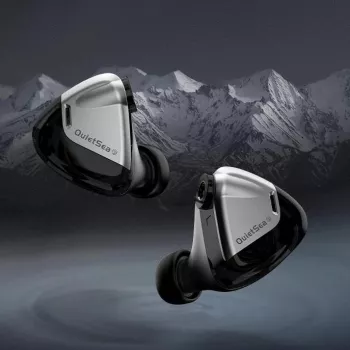
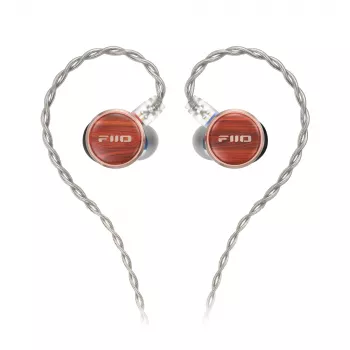
These gold-accented in-ear monitors combine a dual-cavity shell concept with dynamic drivers and a copper cable, aiming for a lively, full-range presentation that still feels practical for everyday listening. The gold-plated detailing is positioned as both a finish choice and a connectivity-focused touchpoint—helpful for maintaining stable contact over time when the plug and connectors see frequent handling. For more guidance, see Reviews by Chenkw | Headphone Reviews and Discussion.
If you’re shopping for a straightforward, “plug in and enjoy” set of HiFi IEMs with punch and natural weight, the combination of a dynamic driver and a thoughtful housing design is often a strong starting point. For further reading, see NF Audio NM2+ Review | Reference Grade.
What stands out about this dual-cavity design
A dual-cavity housing approach is generally about controlling airflow and pressure more intentionally than a single-chamber shell. By separating internal zones, the design can support smoother driver movement—especially during bass-heavy passages—and it may contribute to a cleaner sense of layering when mixes get busy.
- Dual-cavity shell concept: Often used to manage pressure and airflow in ways that can improve perceived separation and reduce congestion.
- Dynamic drivers: Commonly chosen for cohesive bass-to-treble transitions and a natural, continuous note weight.
- Gold-plated touchpoints: Typically used to slow oxidation at contact points and help keep connectivity consistent over long-term use.
- Copper cable: A classic choice for low-resistance signal transfer and a flexible, easy-to-live-with feel.
Build, materials, and daily handling
For IEMs that move between desk, pocket, and commute, day-to-day handling matters as much as sound. The gold-plated styling is meant to stay presentable with routine use, while the dual-cavity structure can also be a comfort play for listeners who dislike that “sealed pressure” sensation some fully closed shells can create.
The copper cable choice is typically associated with a balance of softness and durability—less “springy” than some stiff jackets, easier to coil, and generally cooperative when stored in a pouch.
- Avoid sharp bends near the plug and the earpiece entry points to reduce stress on internal conductors.
- Coil the cable loosely after use rather than wrapping it tightly around a phone or player.
- Keep connectors clean and dry; debris is a common cause of intermittent audio.
Sound character to expect from dynamic-driver IEMs
Dynamic-driver IEMs are often picked for a “single-voice” coherence—bass, mids, and treble tend to feel like they come from one unified source rather than separate driver types stitched together. Tuning still matters most, but the baseline presentation can feel especially natural on vocals and acoustic instruments.
Bass
Dynamic drivers typically deliver rounder sub-bass presence and punchier mid-bass impact. That can be a plus for modern genres, movie scores, and live recordings where kick drum and bass guitar need weight without sounding overly dry.
Mids
With a single dynamic presentation, vocals and instruments often feel continuous through the midrange—helpful for avoiding disjointed timbre shifts. If you listen to singer-songwriter tracks, guitars, or piano-heavy mixes, that continuity can translate into an easy, “locked in” sound.
Treble
Treble is usually tuned for clarity and bite without relying on multiple driver types. Ear tip selection can noticeably adjust brightness: a wider-bore silicone tip can increase perceived openness, while foam tips often soften edges and reduce fatigue.
Imaging and space
A dual-cavity shell can support a more organized sense of separation depending on fit and seal. The better the seal, the more stable the center image tends to feel, and the more consistent the bass foundation becomes—both of which affect perceived staging.
Fit, comfort, and isolation
Fit is the hidden “spec” that determines whether an IEM sounds full and balanced or thin and sharp. A proper seal is the main driver of bass response and overall tonal balance; shallow insertion frequently reduces low-end weight and makes the upper range seem more forward.
- Tip rolling: Silicone tips often keep the sound crisp and snappy; foam tips usually increase isolation and smooth the treble.
- Commuting tip: Prioritize stability and consistent seal so bass doesn’t drop off when walking.
- If pressure builds: Briefly break the seal and re-seat the IEM to equalize.
Cable, connectors, and source pairing
The included copper cable is typically easy to manage for pocket use and less prone to fighting you during storage. For source pairing, the main goal is a clean output with adequate volume headroom and low noise.
Key details at a glance
| Item | Detail |
|---|---|
| Product | Gold-Plated Dual-Cavity HiFi IEMs with Dynamic Drivers and Copper Cable |
| Price | 61.51 USD |
| Availability | In stock |
| Stock count (listed) | 319 |
| Driver type | Dynamic drivers |
| Housing concept | Dual-cavity |
| Cable material | Copper |
| Impedance / sensitivity | Not specified |
Care, storage, and keeping sound consistent
More in-stock picks
- Liu Jo Women’s Blue Plain Jeans – Spring/Summer Denim
- Only Women’s Blue Organic Cotton Skirt
- Vintage Glass Pendant Light with LED Compatibility for Indoor and Outdoor Spaces
FAQ
Will these work well with a phone, or is extra gear needed?
They’ll play from a phone, but a good USB-C or Lightning dongle DAC can improve volume control, reduce hiss, and provide cleaner dynamics—especially on phones with weaker audio outputs.
Does gold plating change the sound?
Gold plating is mainly about corrosion resistance and reliable contact over time. Audible changes are far more influenced by driver tuning, your seal and ear tips, and the output characteristics of the source.
How should the IEMs and cable be cleaned?
Use gentle dry cleaning for the shells and cable, and clean or wash removable tips as appropriate. Avoid liquids near the nozzle/driver area, and periodically check for earwax buildup or debris on connectors.













Leave a comment