Are 100% Nylon Bags Waterproof? What to Look For
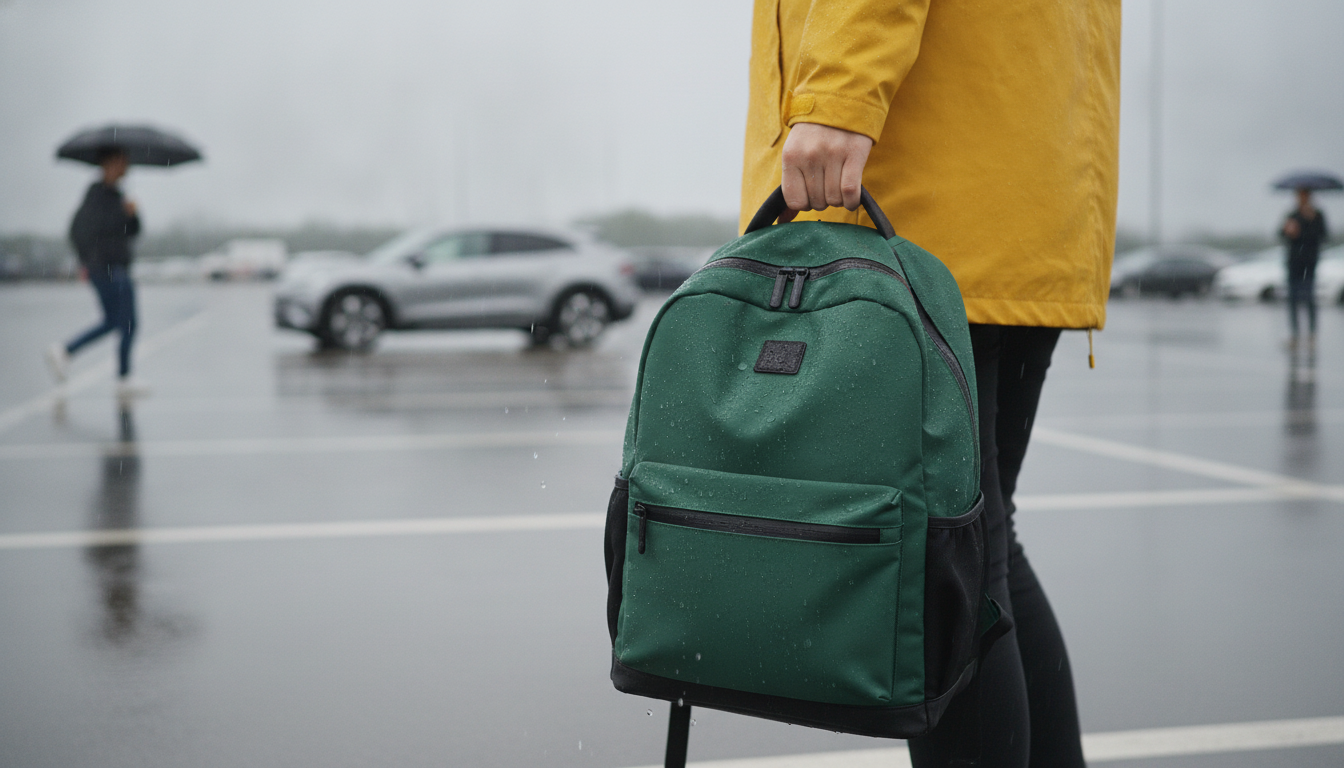
Is 100% nylon bag waterproof?
A 100% nylon bag is usually not fully waterproof on its own. Nylon fibers don’t absorb much water, so the fabric can feel “water-resistant,” but that’s different from being waterproof. In real use—steady rain, puddle splashes, or a wet sidewalk—water can still work its way through the fabric, seams, zippers, and stitching holes.
What “100% nylon” really tells you
“100% nylon” describes the primary fabric content, not the weather protection level. Two nylon bags can perform very differently depending on:
- Coatings and laminates (like PU or TPU) added to the inside or outside of the fabric
- Fabric weave and denier (tighter weaves and heavier nylons often slow water penetration)
- DWR treatment (a durable water-repellent finish that helps rain bead and roll off)
- Construction details such as taped seams, storm flaps, and zipper style
Why nylon bags still leak in rain
Even if the nylon panel sheds water, most leakage happens at the weak points:
- Seams: Needle holes can let water in unless seams are taped or sealed.
- Zippers: Standard zippers are common leak paths; “water-resistant” zippers help but aren’t always watertight.
- Openings and pockets: Top openings, mesh sections, and external pockets can collect water.
How to tell if a nylon bag is actually waterproof
Look for specific proof, not just “nylon” on the label. A truly waterproof bag typically has a coated/laminated fabric, sealed seams, and a closure system designed to block water (often a roll-top). If the product description uses terms like “water-resistant,” expect it to handle light rain, not a downpour.
For a deeper breakdown of nylon fabrics, coatings, and what features matter most for daily commutes and travel, see the full guide here: https://ryvian.shop/guide-waterproof-nylon-daypack-laptop-school-travel/.
FAQ
What’s the difference between water-resistant and waterproof bags?
Water-resistant bags can repel light moisture for a limited time, but they can still soak through during heavy rain. Waterproof bags are built to prevent water entry using coated materials, sealed seams, and more protective closures.













Leave a comment