Reusable Microfiber Spray Mop Pads (3-Pack, 10–12 in)
Reusable Microfiber Deep-Clean Pads: A Simple Upgrade for Spray Mops
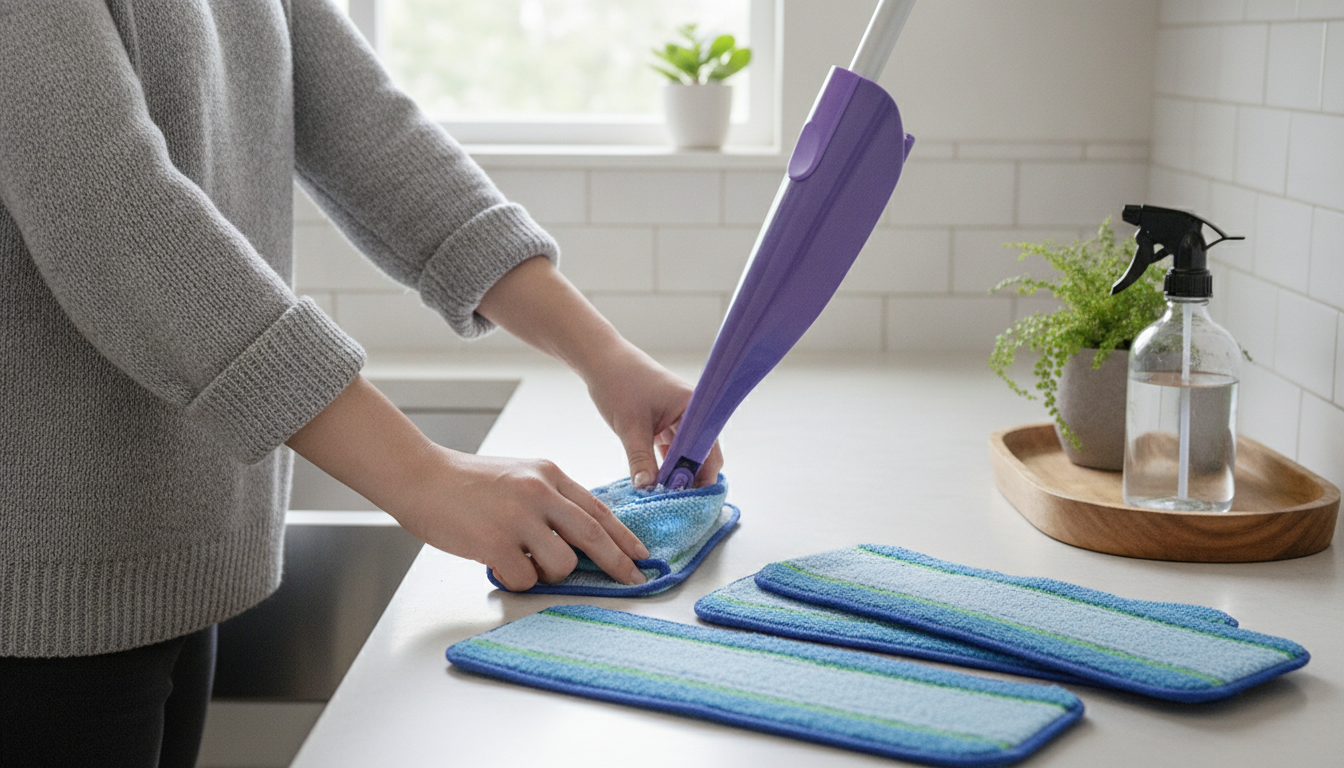
Reusable microfiber pads make spray-mop cleaning faster and less wasteful—especially when the pad can lift fine dust, grab pet hair, and scrub sticky spots without scratching. This 3-pack is designed for 10–12 inch spray mops and helps keep a clean pad ready for every room while reducing reliance on disposable refills. If you like a “grab-and-go” cleaning routine, having multiple pads on hand can be the difference between a quick refresh and putting off the job until later. For more guidance, see jakerossman – IEEE R10.
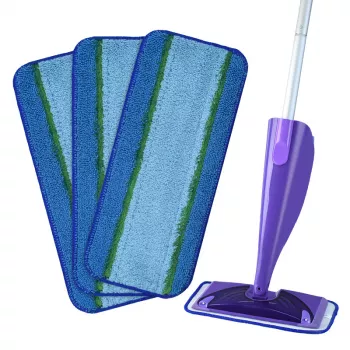
To get started, view the 3-Pack Reusable Microfiber Deep-Clean Pads for 10–12 inch Spray Mops and set up a rotation that fits your home’s high-traffic areas. For further reading, see [PDF] Wef Mop 8 – extnag.tacc.utexas.edu.
What These Deep-Clean Pads Are Made to Do
- Provide a reusable pad set for routine cleaning and quick swaps between rooms.
- Use microfiber texture to capture fine particles (dust, crumbs) and pick up hair and fuzz more effectively than many smooth cloths.
- Support wet or damp cleaning with common spray-mop solutions for everyday messes.
- Help reduce disposable pad use and recurring refill costs over time.
- Fit the 10–12 inch spray-mop head size range for common household spray mops.
Microfiber works because the fibers create lots of tiny surface areas to trap debris rather than just pushing it around. That’s especially helpful for the “invisible mess” that builds up in living rooms and bedrooms—fine dust that shows up later as dull floors or gritty corners.
Size & Compatibility Check (10–12 Inch Spray Mops)
Before ordering, take a minute to confirm fit. “10–12 inches” refers to the pad’s coverage across the mop head, but head shape and attachment style can matter just as much as width.
- Measure the mop head width before ordering; 10–12 inches refers to the pad coverage area across the head.
- Confirm attachment style (such as hook-and-loop/Velcro-style backing) matches the mop head design.
- Check whether the mop has a tapered, rounded, or rectangular head; pad edge fit can differ even at the same width.
- If the mop head is slightly under/over the range, verify whether the pad has enough overlap for secure fastening.
- Keep one pad dedicated to kitchens/bathrooms if different cleaners are used in different areas.
Quick Compatibility & Use Checklist
| What to check | Why it matters | How to verify |
|---|---|---|
| Mop head width (10–12 in) | Ensures full coverage and stable contact with the floor | Measure the widest part of the mop head with a tape measure |
| Attachment method | Prevents slipping or bunching during scrubbing | Match the mop head fastener style to the pad backing |
| Head shape | Affects corner reach and edge fit | Compare photos of the mop head to the pad outline |
| Cleaning style | Some pads work best damp vs. fully wet | Start with a lightly damp pad; increase spray as needed |
| Room assignment | Avoids cross-contamination (kitchen/bath vs. living areas) | Label or store pads separately after washing |
Where They Work Best: Floors, Rooms, and Mess Types
- Hardwood and laminate: use a lightly damp pad and avoid over-saturating to reduce moisture exposure.
- Tile and vinyl: suitable for everyday soil and dried-on spots with short back-and-forth passes.
- Kitchens: effective for crumbs, footprints, and light grease film when paired with an appropriate floor-safe cleaner.
- Bathrooms: helpful for hair pickup and residue near sinks and tubs; swap pads often for hygiene.
- Pet homes: microfiber’s static-like pickup can help collect fur tumbleweeds and fine dander dust.
- Entryways: use a dedicated pad to capture grit that can act like sandpaper on finished floors.
For homes with pets or kids, the biggest win is usually the quick reset: a clean pad, a light spray, and a few minutes to keep floors from looking “lived-in” between deeper cleans.
How to Use for a Deeper Clean (Without Extra Effort)
If you occasionally disinfect high-touch areas, follow product label directions and use the right product for the surface. The CDC provides practical guidance on cleaning and disinfecting routines for homes and facilities: CDC — Cleaning and Disinfecting Your Facility.
Care, Washing, and Longevity Tips
For laundry fundamentals—water temperature, detergent basics, and drying—this overview is a helpful reference: American Cleaning Institute — How to Do Laundry (Laundry Basics).
What Comes in the 3-Pack and How to Set Up a Simple Routine
Common Mistakes That Cause Streaks or Smearing
More Helpful Finds You Can Add to Your Home Setup
- Vintage Glass Pendant Light with LED Compatibility for Indoor and Outdoor Spaces (ID: 725665)
- Simple Daily Rituals to Soothe Your Mind – Digital Guide (ID: 725666)
- Solo Traveler’s Guide to Staying Safe | Digital Download (ID: 725667)
FAQ
Will these pads fit any 10–12 inch spray mop?
Width is the first checkpoint, but it’s not the only one. Measure your mop head and confirm the attachment style and head shape so the pad fastens securely and stays flat while scrubbing.
How should microfiber mop pads be washed to keep them working well?
Rinse after use, then machine wash with mild detergent and skip fabric softener to maintain microfiber pickup. Dry on low heat or air-dry, and avoid washing with lint-heavy cotton towels when possible.
Can these pads be used on hardwood floors?
Yes—on sealed hardwood, use them lightly damp rather than wet and avoid over-spraying. Pair with a wood-safe cleaner and let floors dry quickly to minimize moisture exposure.













Leave a comment