Heated Vibration Ankle & Foot Brace: Comfort Guide
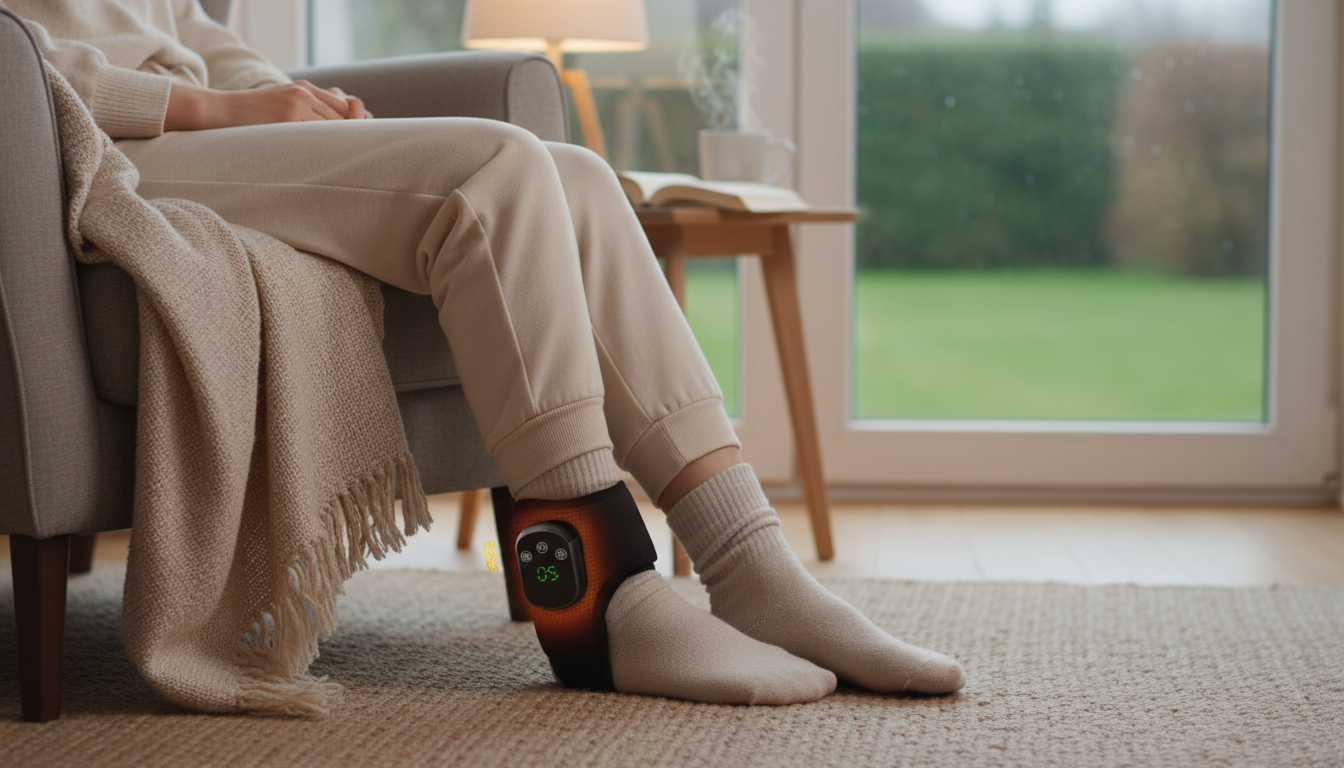
Electric Heated Vibration Ankle & Foot Massager Brace: Warm Support for Tired Feet
An ankle and foot massager brace that combines gentle heat and vibration can help ease everyday soreness, post-activity tightness, and end-of-day fatigue—while still letting the foot stay supported and comfortably wrapped. The best models feel more like a cozy, secure hug than a bulky gadget: you can sit back, let the warmth spread through the ankle area, and use light vibration to take the edge off “heavy” feet after a long day. Below is a practical guide to how it works, who it’s best for, how to use it safely, and what to look for in fit and settings.
What It Is and What It’s Designed to Do
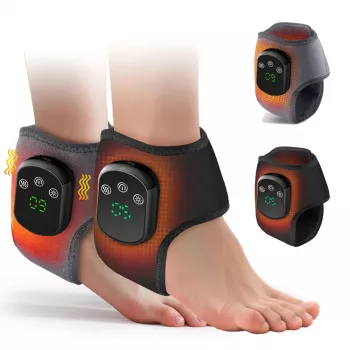
An electric heated vibration ankle & foot massager brace is a wearable, wrap-style support that targets the ankle and foot area while staying in place during use. Because it fastens around the foot/ankle, it maintains steady contact—important for consistent warmth and a more even vibration feel.
- Supportive wrap design: Helps the brace stay put so the massage contact doesn’t drift as you relax in a chair or on the couch.
- Heat function: Adds comforting warmth that can help loosen stiffness and encourage relaxation. For general guidance on safe heat use, see Cleveland Clinic’s overview of heat therapy.
- Vibration function: Creates a soothing, massage-like sensation over tired areas, often experienced as gentle stimulation rather than deep pressure.
- Everyday-friendly use cases: Desk days, long standing shifts, light recovery routines, and a wind-down step before bed.
Heat + Vibration: How the Combo Feels in Real Use
Heat and vibration can feel helpful in different ways, and the “best” setting is usually the one that feels comfortably mild—especially at the start.
- Heat: Often feels best for stiffness, chilliness, and general tightness. Many people use it as a warm-up before gentle movement or as a relaxation step at the end of the day.
- Vibration: Tends to feel best when feet feel “heavy” after walking or standing, offering a light stimulation effect without demanding any effort from you.
- Together: Using both typically feels more immersive than either alone. Start on the lowest settings to gauge comfort and avoid “too much, too soon.”
- Consistency beats intensity: Short, regular sessions often feel better than one long, intense session—especially if your feet are sensitive.
Common Settings and When to Use Them
| Setting choice | Best time to use | How it typically feels | Quick tip |
|---|---|---|---|
| Low heat only | Morning stiffness or pre-activity | Gentle warmth | Use 10–15 minutes before moving more |
| Low vibration only | After long standing/walking | Light stimulation | Pair with slow ankle circles |
| Heat + low vibration | Evening wind-down | Warm + soothing | Keep intensity comfortable, not strong |
| Short bursts, then rest | Sensitive feet/ankles | Less intense overall | Try 5 minutes on, 5 minutes off |
Comfort, Fit, and Wearability
Fit is the difference between “ahh” and “I can’t wait to take this off.” A well-designed wrap should feel secure without pinching.
- Secure closure: A steady wrap helps keep vibration contact consistent and prevents shifting during seated use.
- Soft-touch materials: Look for a soft inner lining and edges that won’t dig into the skin, especially around the ankle bones.
- Snug, not tight: Avoid any tingling, numbness, or discoloration. Those are signals to loosen the wrap immediately.
- If swelling is common: Choose a looser wrap and shorten sessions while monitoring comfort, rather than tightening for “more pressure.”
Who It’s Helpful For (and When to Skip It)
This type of brace is often most appreciated for everyday discomfort—when you want comfort and relaxation rather than aggressive treatment.
- Helpful for: Everyday foot fatigue, mild stiffness, post-walk soreness, and people who sit or stand for long periods.
- May help comfort: Older adults with cold feet or tight ankles (using safe temperature settings and shorter sessions).
- Skip or get medical advice first if: Reduced sensation (neuropathy), open wounds, severe swelling, circulation problems, or a recent injury with acute inflammation.
- Stop use if: Pain increases, skin becomes irritated, or numbness/tingling appears.
If heel or arch pain is part of the picture, gentle warmth and relaxation can still be a nice add-on, but persistent symptoms deserve a clearer plan. For background and self-care basics, see Mayo Clinic’s plantar fasciitis overview.
How to Use It for Best Results
A calm, repeatable routine tends to deliver the most satisfying results—without overdoing it.
For broader non-drug comfort strategies and safety considerations, NIH MedlinePlus offers a helpful pain management overview.
Care, Cleaning, and Longevity
Pair It With Simple Wind-Down Essentials
- Simple Daily Rituals to Soothe Your Mind – Digital Guide for Simple Rituals to Calm My Mind Daily, Stress Relief, Mindfulness Routine & Mental Clarity
- Solo Traveler’s Guide to Staying Safe | Guide | Digital Download PDF eBook | Solo Travel Safety Tips & Checklist | Travel Security Planning
FAQ
How long should a heat and vibration session last on an ankle and foot brace?
Start with 10–15 minutes on low, then assess comfort before extending time or intensity. Keep sessions moderate and follow the product’s instructions; stop if numbness, irritation, or increased pain occurs.
Can it be used for plantar fasciitis or heel pain?
It may provide comfort for sore tissues, but it isn’t a cure for plantar fasciitis or heel pain. Use gentle settings, pair it with stretching, and seek clinician advice if pain is sharp, worsening, or persistent.
Is it safe to use if feet are often numb or there is reduced sensation?
Use caution—reduced sensation can increase the risk of overheating the skin without noticing. It’s best to get medical guidance first, and avoid heat features if you can’t reliably feel temperature changes.










Leave a comment