8-Gallon Smart Trash Can: Auto Seal + Bag Replace
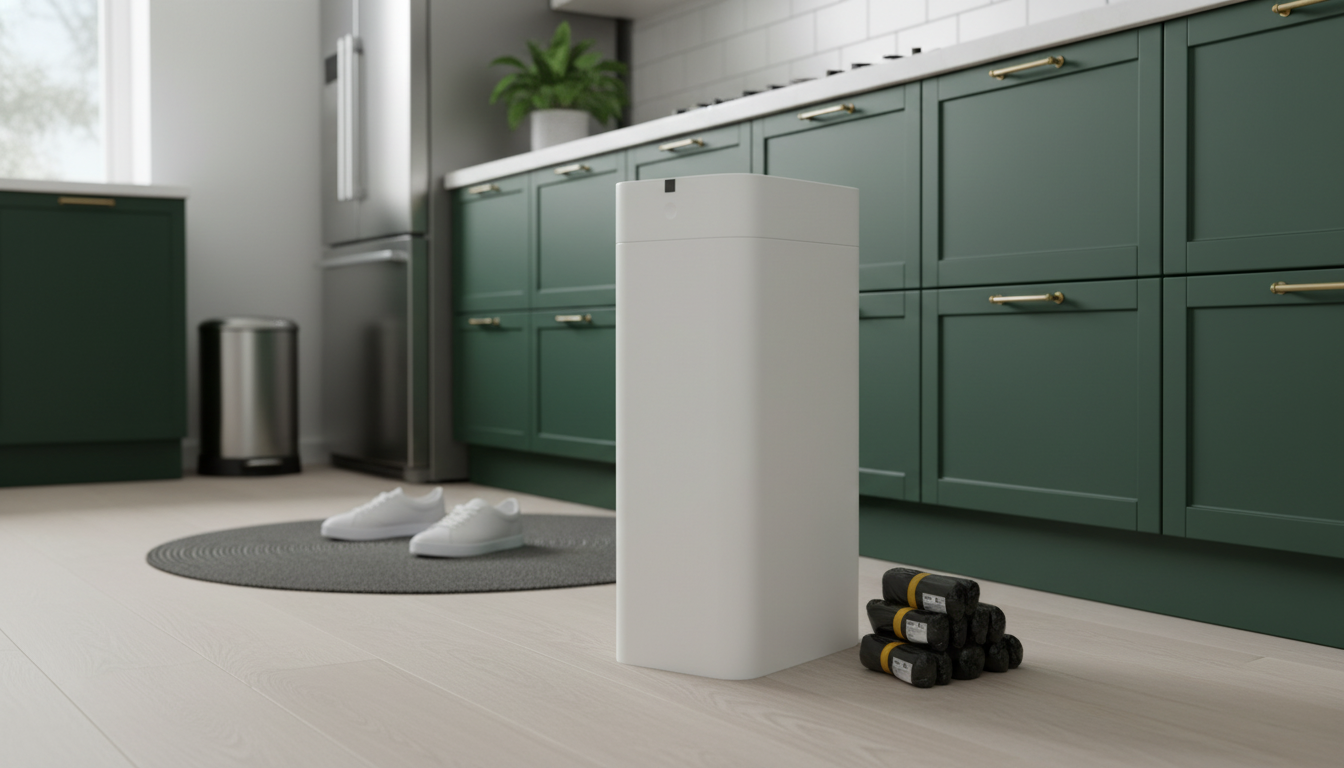
8-Gallon Smart Trash Can That Seals and Replaces the Bag Automatically
A hands-free trash can can make kitchen cleanups faster, cleaner, and less stressful—especially when it seals odors and swaps to a fresh liner on its own. This guide breaks down how an 8-gallon self-sealing, self-changing smart trash can with a motion sensor works, what to expect day to day, and what to check before buying.
What makes this trash can different
- Motion-sensor opening reduces contact with the lid during cooking and cleanup.
- Self-sealing feature closes the liner to help contain odors and mess when the bag is full.
- Self-changing function advances to a new section of liner so the bin is ready for the next use.
- 8-gallon capacity fits many kitchens, offices, and small households without taking up as much space as tall 13-gallon bins.
Unlike a basic step can, a self-sealing, self-changing model is designed to minimize the two messiest moments: when the bag is full and when you have to pull a new liner over the rim. By automating those steps, it can help keep hands cleaner and reduce the chance of drips or odors lingering around the can.
How the sealing and liner-changing cycle works
- Drop trash in as usual; the lid opens via motion detection and then closes automatically.
- When it’s time to remove the trash, the can seals the current liner to create a closed bag.
- After removal, the unit pulls down and positions a fresh liner, reducing the need to touch the rim.
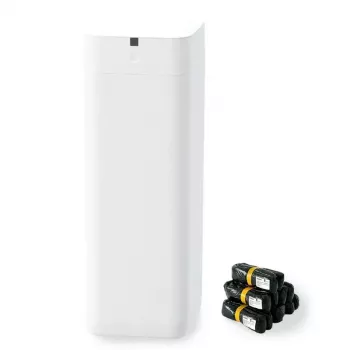
- Best results come from using compatible refill rings/liners designed for the sealing mechanism.
Day to day, the experience is closer to “use it and forget it” than a traditional bin. The main difference is that the liner is part of a refill system, so the can isn’t just holding a standard bag—it’s coordinating how that liner feeds, seals, and resets. That’s why compatibility matters: the can’s sealing and advancing steps depend on the refill being the right size and format.
Where an 8-gallon size fits best
- Apartments and condos: good capacity without the footprint of a larger can.
- Home offices and studios: hands-free use and sealed liners help keep spaces feeling tidy.
- Bathrooms, nurseries, and craft rooms: odor control and easy bag changes are especially helpful.
- Secondary kitchen can: useful near prep areas, coffee stations, or pet feeding zones.
Eight gallons hits a practical middle ground. It’s typically enough for daily kitchen waste in a smaller household, but not so large that it dominates a corner or blocks cabinet doors. It also works well as a “targeted” waste station where mess happens—near a chopping board, a coffee bar, or a diaper pail alternative—so you’re not trekking across the room mid-task.
Daily use: what to expect
- Sensor range can be adjusted by placement—avoid aiming it directly at high-traffic walkways to prevent accidental opens.
- Keep the lid area clear so the sealing cycle isn’t blocked by overfilled trash.
- Wipe the rim and lid edges regularly to prevent residue buildup that can affect seals and closing.
- Plan for liner refills; self-sealing systems typically require proprietary or compatible liner cartridges/rings.
Basic hygiene still applies: the cleaner the lid edge and rim area, the better the seal and the less chance of lingering smells. For food-related waste, maintaining a routine for cleaning and sanitizing kitchen-touch surfaces helps reduce contamination risks (see the FDA’s guidance on safe food handling and cleaning).
Quick specs and buying checks
At-a-glance checklist
| Check | Why it matters | What to look for |
|---|---|---|
| Liner compatibility | Ensures sealing and auto-advance work reliably | Refill rings/liners designed for the model |
| Placement clearance | Prevents accidental opening and failed seals | Room above lid; avoid direct foot-traffic sensor triggers |
| Cleaning routine | Maintains hygiene and smooth operation | Easy-to-wipe surfaces; accessible rim and lid edge |
| Power needs | Keeps sensor and mechanisms dependable | Battery type and expected runtime; low-battery behavior |
If reducing household waste is a priority, pairing a smart can with better sorting habits (recycling, composting where available, and mindful purchasing) can amplify the impact. The U.S. EPA offers practical ideas for reducing waste at home, including simple habit changes that cut down on overflow and odors.
Setup and maintenance tips
Is it worth it compared with standard cans
Product option in stock
- 8-Gallon Self-Sealing and Self-Changing Smart Trash Can with Motion Sensor (in stock).
- Consider this model when a mid-size capacity and cleaner bag changes are higher priorities than minimizing ongoing liner costs.
For households where pet waste is part of the daily routine, pairing tidy disposal habits with consistent training can also help reduce accidents and cleanup frequency. If that’s relevant, New Puppy Training Starter Guide (Printable eBook) is also in stock.
FAQ
Do self-sealing trash cans require special bags?
Most self-sealing and self-changing models use compatible refill rings or liners designed to feed, seal, and advance correctly. Generic bags often won’t work with the sealing mechanism or may fail to auto-advance reliably.
Will the motion sensor open by accident?
It can if the can is placed where the sensor “sees” frequent movement, such as a busy walkway, a swinging cabinet door, or active pets. Repositioning the can slightly and keeping the sensor line-of-sight away from traffic usually reduces false opens.
How often do liner refills need to be replaced?
It depends on how quickly you fill the bag and how often you seal and remove it; a small household may go much longer than a busy family kitchen. Keeping at least one spare refill on hand helps avoid interruptions when the current liner runs out.













Leave a comment