Interactive Soccer Table Game for Kids (Screen-Free Fun)
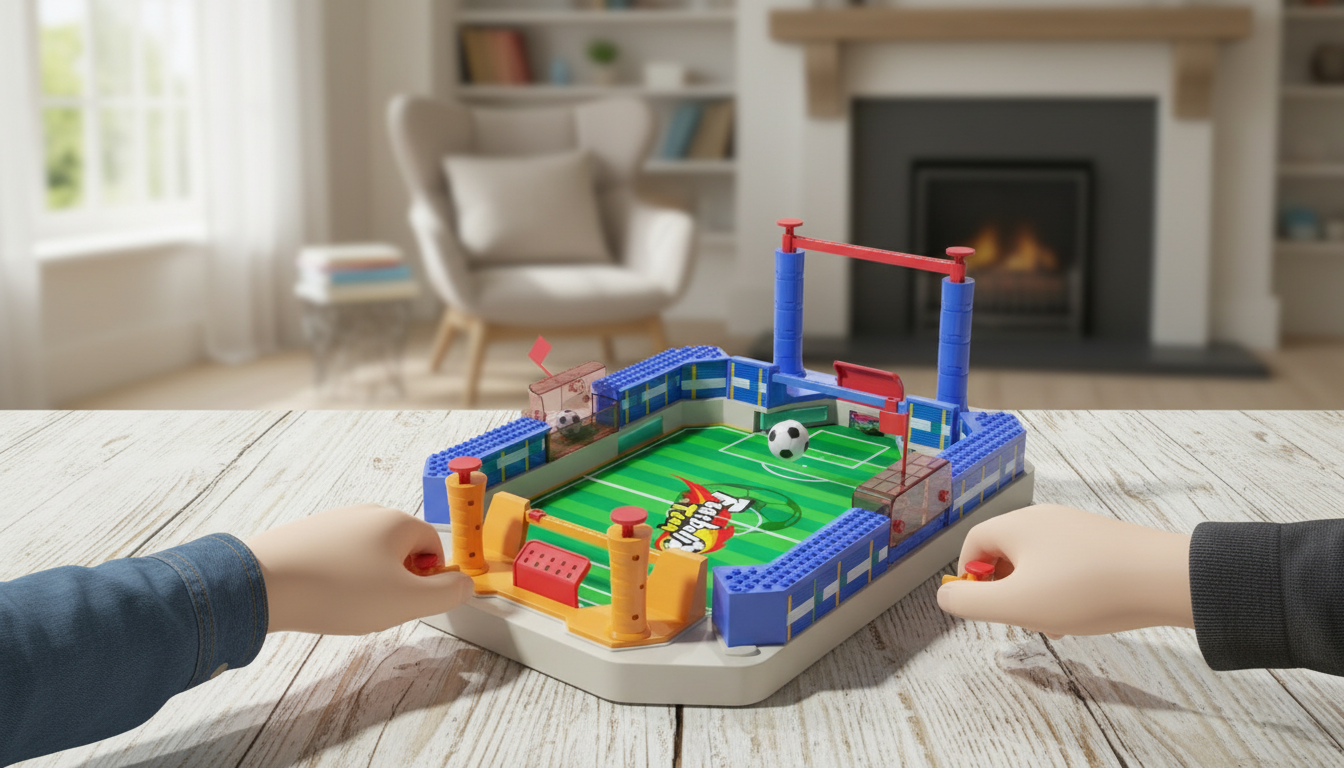
Interactive Soccer Table Game for Kids: Fast Matches, Big Laughs, Zero Screens
An interactive soccer table game brings the excitement of a quick soccer match to a tabletop format kids can learn in minutes. It’s a simple way to spark friendly competition, build coordination, and keep playtime active—great for family game nights, rainy days, and playdates. For households looking to balance entertainment with movement, a fast, hands-on game can be a welcome break from passive screen time (see guidance from the American Academy of Pediatrics) while still feeling like a “real” event kids want to repeat.
What Makes an Interactive Soccer Table Game So Fun
Some games win kids over because they’re easy to start and hard to put down. A tabletop soccer game checks both boxes, especially when it’s built for quick resets and rapid-fire rematches.
- Quick rounds that fit short attention spans and make “one more game” easy.
- Hands-on controls that reward timing, aim, and light strategy (feints, quick counters, and smart defense).
- Two-player (or team) play that encourages turn-taking, sportsmanship, and playful rivalry.
- Portable tabletop size that works on the kitchen table, floor, or game room without a big setup.
Play Benefits Kids Notice Without Being Taught
The best kids’ games don’t feel “educational,” yet they naturally build skills through repetition and excitement. Because tabletop soccer is active and reactive, kids tend to improve quickly without formal instruction.
- Hand-eye coordination from tracking the ball, anticipating direction changes, and reacting quickly.
- Fine-motor practice through small, repeated control movements that demand consistency.
- Focus and emotional regulation while handling wins, losses, close calls, and immediate rematches.
- Social skills during cooperative team play, house rules, scorekeeping, and respectful “good game” moments.
Even though it’s tabletop, the pace helps kids stay engaged and moving—an easy complement to everyday activity goals highlighted by the CDC’s physical activity basics.
How a Typical Match Works
Most interactive soccer table games share a simple flow: setup, serve, rally, score, reset. Keeping the routine consistent helps younger kids learn quickly and reduces disputes.
- Set up on a flat surface with enough elbow room on both sides so players can move freely without bumping.
- Choose sides and a win condition (first to 5, timed match, best of three). For younger players, shorter matches keep energy high.
- Serve and play continuously, pausing only for out-of-bounds or goals. Quick restarts keep the “sports” feel.
- Rotate sides after each round so both players get the same angles, lighting, and table position.
If siblings tend to argue, decide on rules before the first serve: what counts as out-of-bounds, whether “re-serves” are allowed, and how to handle ties.
Interactive Soccer Table Game for Kids: Quick Look
Use this snapshot to confirm fit for gifting, comparing, and planning where it will live in your home. A few minutes of “pre-checking” can prevent frustration later—especially if space is tight or play gets energetic.
At-a-Glance Checklist
| Feature | Why it matters | What to look for at home |
|---|---|---|
| Tabletop footprint | Determines where it can be played | Clear surface space plus room for hands/arms on both sides |
| Player count | Sets expectations for solo vs. group play | Best with 2 players; teams can rotate turns |
| Pace of play | Affects engagement and replay value | Short rounds, easy resets, simple scoring |
| Durability | Withstands energetic play | Sturdy base, smooth moving parts, easy-to-clean surfaces |
| Noise level | Matters for apartments and quiet hours | Felt pads or a mat under the game can reduce clatter |
Tips to Keep Games Close and Kids Motivated
A close match keeps everyone engaged—especially when players are different ages or skill levels. Instead of asking the stronger player to “go easy,” use playful constraints that still feel competitive.
- Use handicap rules: the stronger player goes one-handed, or must complete one pass before shooting.
- Run challenge rounds: trick shots, bank shots, or a defend-only minute where the other player tries to break through.
- Keep a simple season chart: track wins plus fun awards (best comeback, best defense, most sportsmanlike).
- End on a high note: stop after a fun match rather than waiting for frustration to build.
For playdates, a “winner stays, challenger rotates” ladder keeps kids moving in and out smoothly without anyone feeling left out.
Safety, Setup, and Care
Fast games can lead to sliding tables and flying pieces, so a little preparation goes a long way.
When This Game Makes a Great Gift
Product Option Available Now
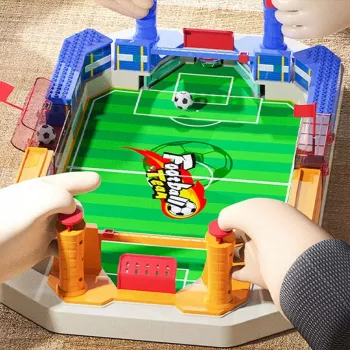
Interactive Soccer Table Game for Kids is currently available and priced at $39.51 (USD). It works well as a compact, pick-up-and-play tabletop game for head-to-head matches, quick tournaments, and sibling rivalries that reset fast.
- Vintage Glass Pendant Light with LED Compatibility for Indoor and Outdoor Spaces (a statement piece for a game room or family area)
- Liu Jo Women’s Blue Plain Jeans – Spring/Summer Denim (easy gifting for a parent or older teen)
- Only Women’s Blue Organic Cotton Skirt (a simple wardrobe staple gift option)
FAQ
What age is an interactive soccer table game best for?
Most kids can learn the basics in early elementary years, and older kids often enjoy the competitive, skill-based replay value. For younger children, supervision is smart if the set includes any small pieces.
How much space is needed to play comfortably?
You’ll want a flat tabletop surface plus extra clearance on both sides for hands and forearms during fast play. A sturdy table and a non-slip mat underneath help prevent sliding and make matches feel smoother.
Is this a good screen-free activity for family game night?
Yes—rules are quick to explain, rounds are short, and the head-to-head format encourages turn-taking and friendly competition. Simple house rules like rotating sides or playing best-of-three can keep it fair and fun for mixed ages.












Leave a comment