Hardest Week With a Puppy: 8–10 Weeks vs 12–16
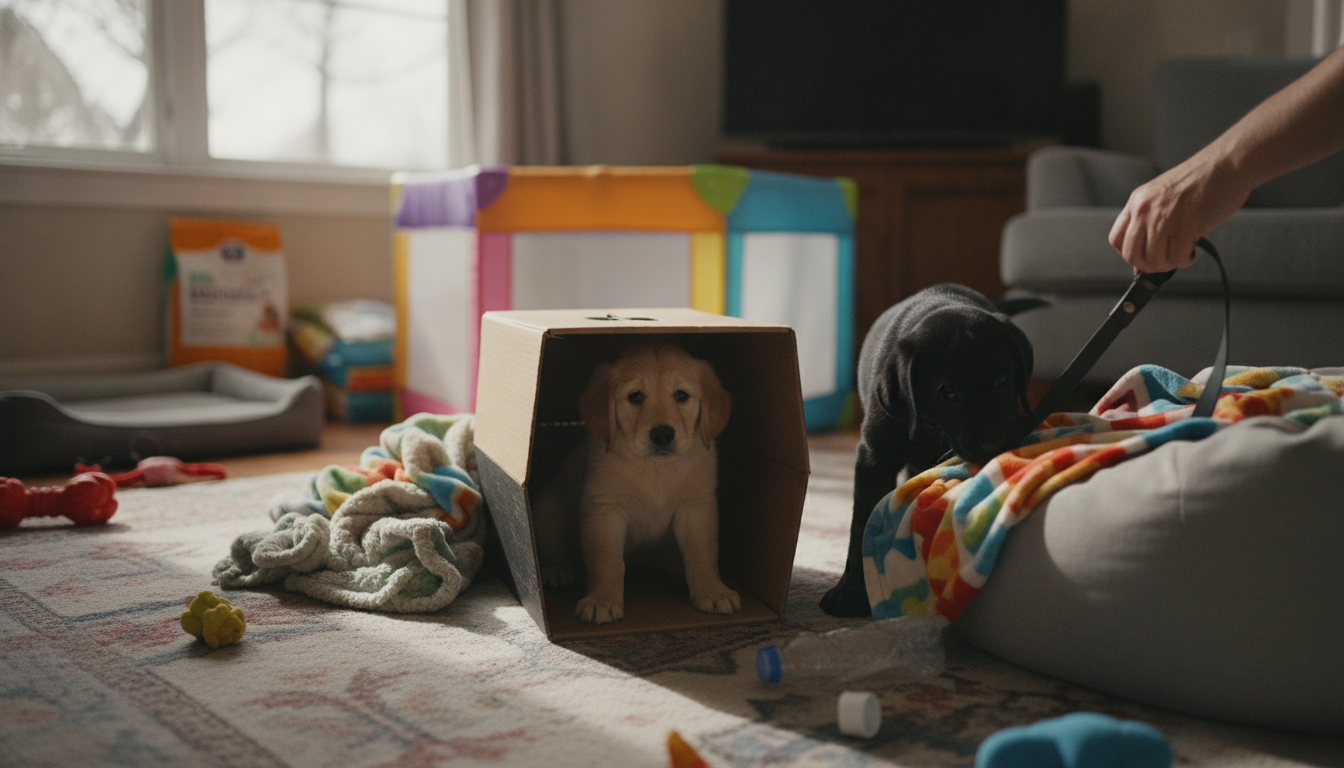
What is the hardest week with a puppy?
For many new owners, the hardest week is the first full week at home—often when a puppy is around 8–10 weeks old. That’s when the “cute” phase collides with reality: frequent potty trips, nighttime wake-ups, constant supervision, and a pup that hasn’t learned the household rules yet. Even well-bred, well-socialized puppies can feel overwhelmed by the sudden separation from their litter, new smells, new people, and a new schedule.
A close runner-up is the week when teething and energy spike—commonly around 12–16 weeks. Puppies may seem to “forget” their training, bite more, get zoomies at inconvenient times, and test boundaries. It can feel like progress is going backward, but it’s usually a normal mix of developmental changes, growing confidence, and an increased need for consistent structure.
Why that week feels so intense
Three things tend to pile up at once: sleep disruption (yours and the puppy’s), potty accidents (because bladder control is still developing), and mouthy behavior (because puppies explore with their mouths). Add in separation distress when you leave the room, and it’s easy to feel like you’re doing everything all day long.
How to get through the hardest stretch faster
Stick to a predictable routine: take your puppy out after waking, playing, eating, and every 30–60 minutes during active time. Reward immediately for successful potty trips, manage the environment with a crate or pen when you can’t watch closely, and redirect biting to appropriate chew toys before your puppy gets overstimulated.
If you want a simple, day-by-day structure for potty cues, socialization, and early training, follow this step-by-step plan: 4-week puppy training plan.
FAQ
How do I get my puppy to sleep through the night?
Keep bedtime and wake time consistent, limit late-evening excitement, and take a final potty trip right before crating. Most puppies still need at least one overnight potty break at first, but the stretch usually lengthens as their bladder control improves.















Leave a comment