71.5-Inch Tall Narrow Bookshelf for Small-Space Storage
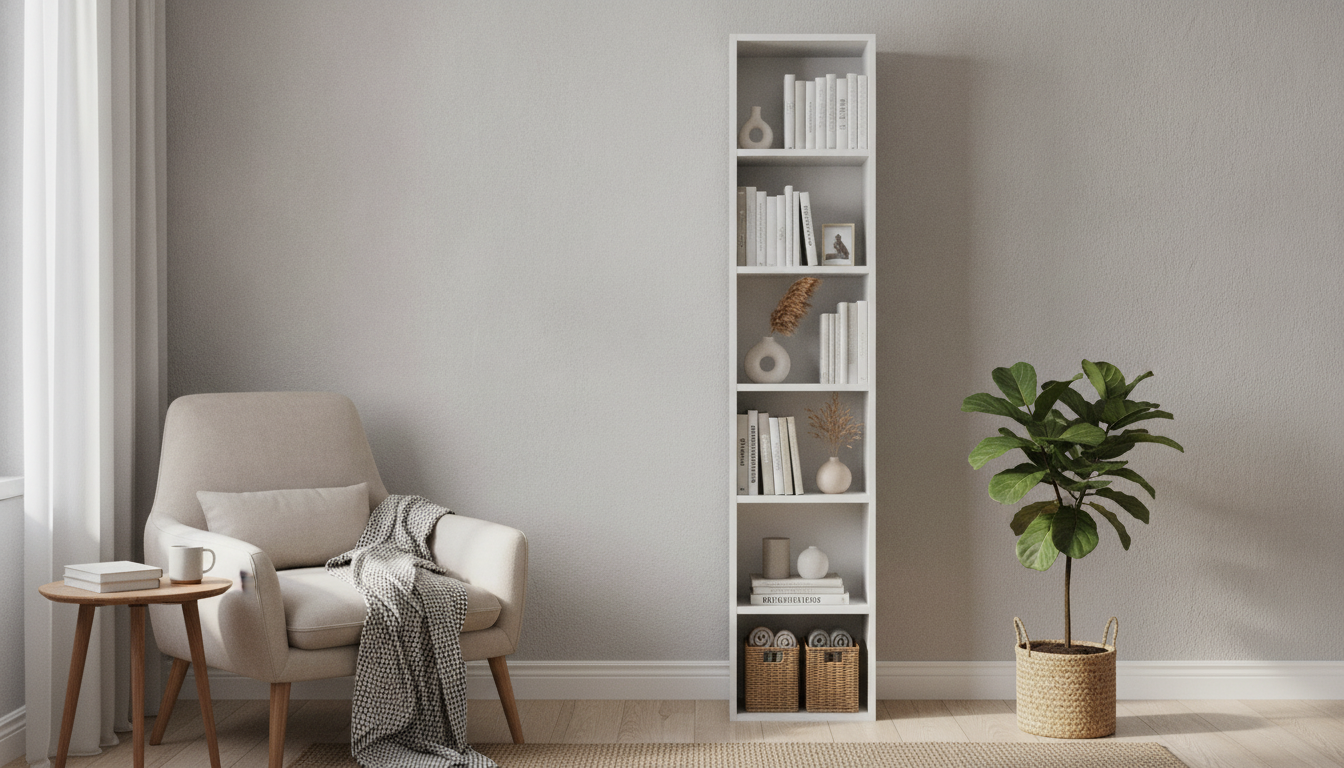
71.5″ Tall Narrow Bookshelf: Big Storage for Small Spaces
A tall, narrow bookshelf is one of the easiest ways to gain serious storage when floor area is limited. By building upward instead of outward, it helps keep books, décor, and everyday essentials organized without overpowering the room. That’s a practical fit for apartments, home offices, bedrooms, and even tight entryways where every inch of walkway matters.
Why a tall, narrow bookshelf works so well
- Uses vertical wall space to add storage without widening the footprint.
- Helps define zones in open layouts (reading nook, office corner, hallway drop zone).
- Keeps frequently used items visible and easy to reach while reducing surface clutter.
- Pairs easily with other slim furniture like ladder desks, compact consoles, and narrow nightstands.
If you’re trying to make a small room feel calmer, adding “contained” storage (shelves plus baskets or bins) can do more than another set of drawers—especially when you want items accessible without piling them on a desk, counter, or coffee table.
Where it fits best at home
- Living room: place beside a sofa or media console for books, baskets, and display pieces.
- Home office: keep reference materials and supplies organized without crowding the desk area.
- Bedroom: use as a slim alternative to a dresser for folded items in bins and personal items on display.
- Entryway or hallway: store shoes in baskets, mail trays, and small décor while keeping the walkway open.
- Kids’ space: reserve lower shelves for frequently used books and bins; keep breakables higher up.
For a cohesive look, keep the shelf’s “job” consistent within each room: books plus a few display pieces in the living room, supplies and files in the office, or catch-all storage in the entry. This prevents the narrow profile from turning into a visual dumping ground.
Sizing and placement checklist
- Measure the available width, depth, and height, including baseboards, trim, and nearby door swings.
- Plan comfortable access: leave enough side clearance to remove books without scraping walls.
- Consider outlet locations and cords if the shelf will hold a lamp, speaker, or router.
- If placing near windows, consider fading for book spines and décor; rotate items occasionally.
Quick sizing checklist for a tall, narrow bookshelf
| Placement spot | What to measure | Practical clearance to keep | Notes |
|---|---|---|---|
| Next to a sofa | Gap between sofa arm and wall | A hand-width or more | Avoid crowding throw pillows and side tables |
| Office corner | Desk-to-wall space | Enough to open drawers and roll a chair | Keep the most-used shelves at arm’s reach |
| Hallway/entry | Walking path width | A clear, comfortable walkway | Use baskets to hide small items and keep it tidy |
| Bedroom side wall | Door swing and closet access | No interference with doors | Anchor to the wall for stability, especially on carpet |
Ways to style shelves so they look organized
- Mix vertical and horizontal stacks of books to break up tall lines and create visual rhythm.
- Use matching bins on lower shelves to hide cables, toys, and small accessories.
- Group décor in odd numbers and vary heights (short object + medium frame + taller vase).
- Leave some negative space so the shelf doesn’t look overfilled.
- Place heavier items lower to keep the unit feeling balanced and stable.
A helpful approach is to “anchor” each shelf with one larger item (a basket, a storage box, or a stack of books), then add one or two smaller accents. Repeating just two or three materials—like wood, glass, and matte ceramic—also keeps a narrow shelf from looking busy.
Safety and stability basics
- Anchor tall furniture to the wall to reduce tip-over risk, especially in homes with children or pets.
- Distribute weight: keep heavier books and storage boxes on the lower shelves.
- Avoid climbing or allowing children to use shelves as steps.
- If the shelf sits on thick carpet, check for wobble; adjust placement or use appropriate leveling methods if available.
For more guidance on preventing tip-overs, review the U.S. Consumer Product Safety Commission (CPSC) tip-over safety information. If you’re interested in broader furniture safety references used by manufacturers and testers, you can also browse ASTM International’s furniture standards.
Care and everyday upkeep
- Dust regularly, especially on upper shelves where buildup is easy to miss.
- Use coasters or small trays under plants and drinkware to prevent moisture rings.
- Avoid overloading shelves; follow the seller or manufacturer guidance for weight limits.
- Re-check wall anchors and fasteners periodically, particularly after moving or rearranging items.
Small habits keep the shelf looking intentional: return “floaters” (mail, chargers, loose cords) to a bin at the end of the day, and do a quick five-minute reset weekly to keep clutter from creeping upward.
Featured picks
If you’re ready to add vertical storage, start with a slim unit designed specifically for small rooms. For a finished look, pair it with lighting that warms up the corner and makes displayed items feel curated.
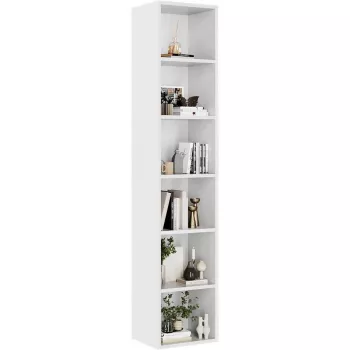
- 71.5″ Tall Narrow Bookshelf
- Vintage Glass Pendant Light with LED Compatibility for Indoor and Outdoor Spaces
FAQ
Does a tall narrow bookshelf need to be anchored to the wall?
Anchoring is strongly recommended for tall furniture to help reduce tip-over risk, especially with children, pets, uneven floors, or heavy items stored on the shelves.
How can a narrow bookshelf hold more without looking messy?
Use baskets or bins for small items, keep heavier items low, mix vertical and horizontal book stacks, and leave intentional open space so the arrangement looks clean instead of crammed.
How much weight can each shelf hold?
Weight capacity varies by design and materials, so check the product specifications. Avoid concentrating heavy weight in one spot and distribute books and storage boxes across lower shelves when possible.












Leave a comment