Hybrid Audiophile Earphones: Fit, Tips, Source & EQ
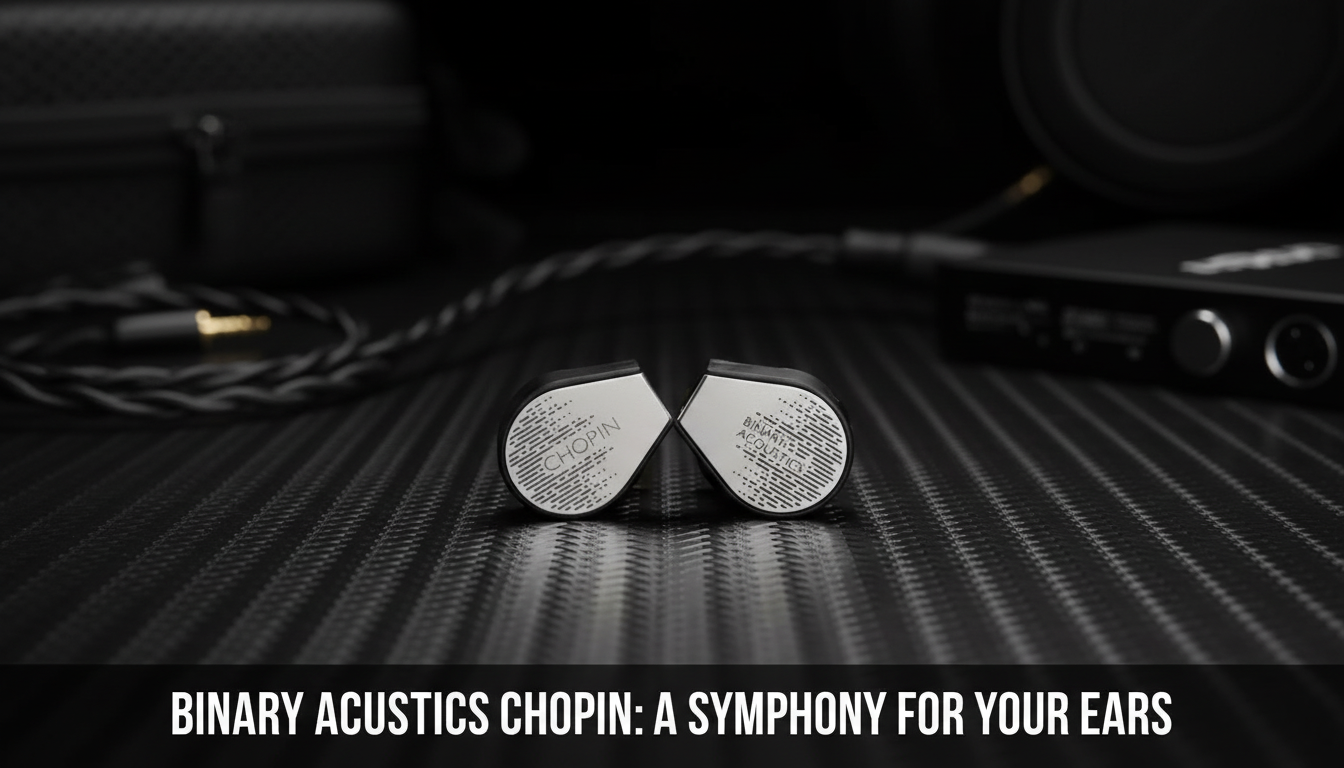
Hybrid Audiophile Earphones: Detailed Listening Guide and Setup Tips
Hybrid-driver earphones blend different transducer types to balance impact, detail, and separation. The appeal is simple: a physical, satisfying low end paired with crisp mid/treble articulation that can make vocals, cymbals, and room ambience easier to track. The trick is getting consistent results—because with hybrids, fit, seal, and source quality can matter as much as the driver count.
If you’re shopping for a ready-to-go option, start with Hybrid Audiophile Earphones. For a comfortable listening space that supports longer sessions, consider a softer room setup (even small changes in lighting can help reduce fatigue), such as the Vintage Glass Pendant Light with LED Compatibility for Indoor and Outdoor Spaces.
What “Hybrid” Means in Audiophile Earphones
Most hybrid IEMs pair a dynamic driver (often handling bass) with balanced armature drivers (commonly handling mids and treble). The goal is to combine the dynamic driver’s air movement and punch with the armature’s speed and fine detail.
- Typical structure: dynamic driver for bass weight, plus balanced armature (or other) drivers for mid/treble precision.
- Common upside: stronger slam than many all-armature sets, plus cleaner upper-range detail than many single-dynamic models.
- Common downside: integration challenges—if the crossover and acoustics aren’t well executed, bass and treble can feel like separate “pieces.”
- Fit sensitivity: nozzle angle, insertion depth, and ear tips can shift treble peaks and change perceived staging.
How to Evaluate Sound Quality Without Overthinking
A quick, repeatable routine helps you judge what’s real and what’s caused by seal or source changes.
- Start with seal and fit: bass quantity and tonal balance can swing dramatically with tip choice and insertion depth.
- Check coherence: vocals should sound like one stable image, not “bass over here” and “treble over there.”
- Listen for timbre accuracy: cymbals should shimmer rather than hiss; strings should have texture without turning metallic.
- Assess dynamics: good hybrids deliver quick bass punch while still revealing micro-detail in quiet passages.
- Test imaging simply: small jazz ensembles and acoustic tracks are excellent for placement and layering.
Fit, Tips, and Comfort: The Fastest Path to Better Sound
Hybrid earphones reward small fit adjustments more than many listeners expect. If your sound signature seems “off,” treat tips and insertion depth as your first tuning tools.
- Silicone tips: often emphasize clarity and upper detail; they can also expose treble peaks more readily.
- Foam tips: often smooth treble and increase perceived bass fullness by improving seal consistency.
- Insertion depth matters: deeper, stable insertion typically tightens bass and sharpens imaging; shallow fits may sound brighter and thinner.
- Fix imbalance fast: if one side sounds different, swap tips left/right and re-seat the earphones—tiny leaks can cause channel imbalance.
- Comfort wins long sessions: fatigue often comes from a poor fit (pressure points, unstable seal) rather than volume alone.
Source Pairing: Phone, Dongle DAC, or Dedicated Player
Hybrids can sound great from a phone, but sensitive models may reveal noise, hiss, or weak control depending on the output stage.
- Lower noise floor: a clean, low-noise source can make hybrids sound more spacious and reduce hiss.
- More authority when needed: if volume is fine but the sound feels flat, a dongle DAC with better current delivery can improve bass control and macrodynamics.
- Tame sharpness intelligently: if treble feels sharp, try foam tips or a smoother source before heavy EQ.
- Use higher-quality playback: lossless or high-quality streaming settings help; harsh masters can sound extra aggressive on resolving earphones.
Everyday EQ and Practical Tuning Moves (Optional)
Small changes go a long way. With hybrids, big boosts can exaggerate crossover transitions or highlight resonance points.
Quick Comparison: Hybrid vs Other Common Driver Setups
| Design | Typical strengths | Common tradeoffs | Best for |
|---|---|---|---|
| Single dynamic driver | Natural timbre, cohesive sound, strong bass body | Less micro-detail or separation in busy tracks (varies by model) | All-round listening, warm or natural tuning preferences |
| All balanced armature | Fast transients, high detail, strong layering | Bass may feel less physical; timbre can sound “dry” if poorly tuned | Detail-focused listening, complex arrangements |
| Hybrid (dynamic + armature/other) | Bass impact plus added clarity and separation | Coherence depends on crossover and acoustic design; fit can shift treble | Mixed genres, punch + detail balance |
| Planar magnetic IEM | Even response, fast bass, clean layering | Can be power-hungry; fit and nozzle angle can matter a lot | Speed, clarity, modern genres and layered productions |
Safe Listening for Long Sessions
For additional guidance, see the World Health Organization (WHO) — Make Listening Safe and NIOSH — Noise and Hearing Safety.
Hybrid Audiophile Earphones: What to Check Before Buying
FAQ
Do hybrid earphones need an amplifier?
Many hybrids play well from a phone, but a clean dongle DAC/amp can improve bass control, reduce hiss on sensitive sets, and add headroom. Choose based on whether you hear noise, run out of volume, or want a more controlled presentation.
Why do hybrid earphones sound different with different ear tips?
Ear tips change seal, insertion depth, bore width, and how treble energy reaches your ear canal, which can shift both bass quantity and brightness. If the sound gets harsh, try foam tips or a deeper, more stable fit; if one side is quieter, re-seat and check for a small seal leak.
Are hybrid earphones good for critical listening and mixing?
They can be, but tuning varies widely, so consistency matters: use reference tracks you know well and prioritize midrange accuracy over excitement. Keep fit consistent between sessions and avoid excessive volume so tonal judgments don’t drift with fatigue.














Leave a comment