Bedroom Design Ideas by Style: Layout, Color & Lighting
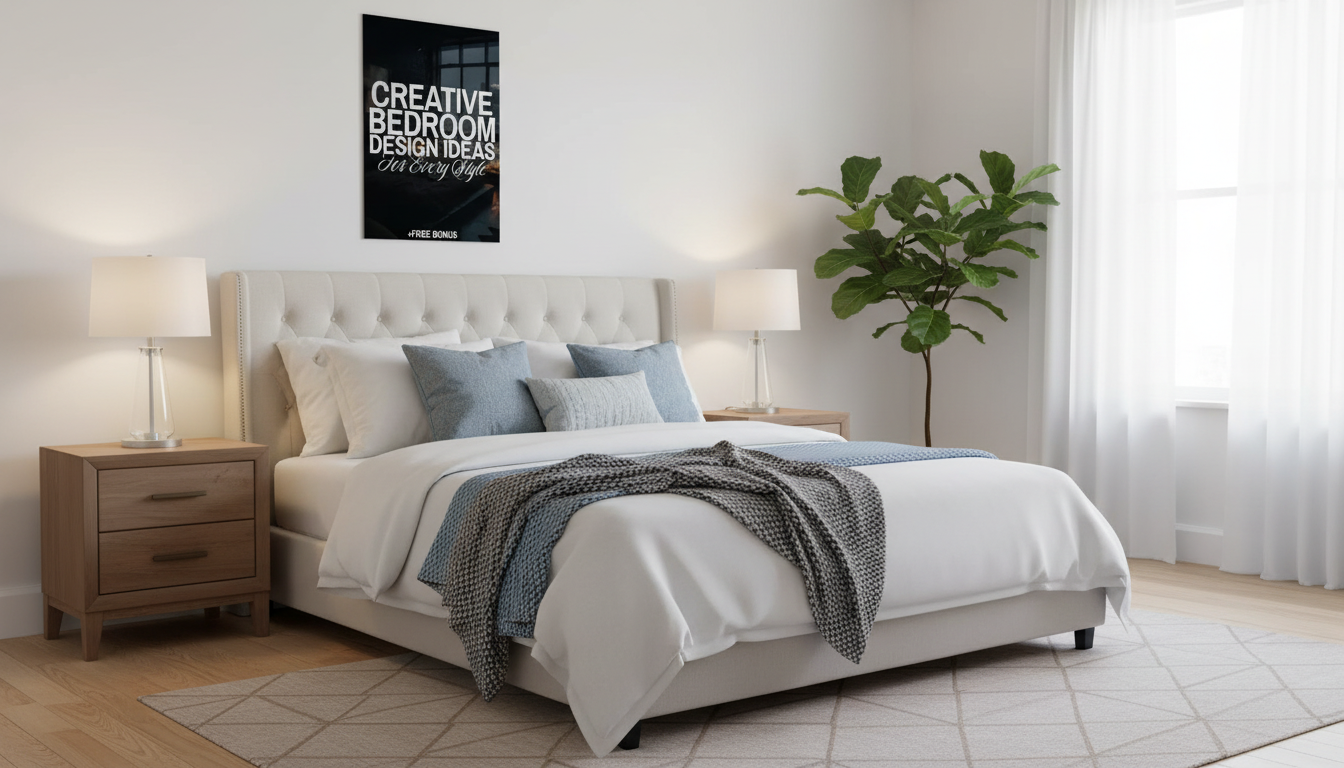
A bedroom works best when it balances comfort, function, and a look that feels personal. The most successful designs start with a few smart decisions—layout, lighting, color, and storage—then build in texture and finishing details that match the style of the home. This guide organizes creative bedroom design ideas by style, with practical tips for small rooms, shared spaces, and primary suites. Use the planning checklist to move from inspiration to action, avoid costly missteps, and create a room that looks intentional in daylight and feels relaxing at night.
Start With the Room’s Non-Negotiables
Before choosing a headboard or paint color, lock in the fundamentals that affect daily comfort. Start by deciding what the room must do: sleep-first, a work-from-bedroom setup, a reading retreat, or a shared space. Then measure the room and note constraints like window and door swings, outlet locations, vents, radiators, and ceiling height.
Next, select a bed size that supports real circulation—comfortable pathways on at least two sides when possible. If the bedroom must also hold laundry, workout gear, a nursery corner, a vanity, or a desk, plan zones now so the room doesn’t become a storage catch-all later. To keep decisions simple, choose a style direction using three anchors: one material (wood, metal, or upholstery), one color family, and one mood (airy, cozy, or dramatic).
Layout Ideas That Instantly Improve Flow
Layout does more for a bedroom than décor ever will. Anchor the bed on the strongest wall—often opposite the door or the least interrupted by windows—so the room feels stable and easy to navigate. If the space allows, symmetry creates calm: matching nightstands, or simply matching lamps, can make mixed furniture feel intentional.
Near the doorway, build a “soft landing” to prevent clutter creep. A slim console, hooks, or a bench gives everyday items a home before they end up on the bed. In small rooms, swap wide nightstands for wall-mounted shelves and use sconces instead of table lamps to free up surface area. For shared bedrooms, reduce visual chaos by separating zones with rugs, subtle color blocking, or twin headboards.
Design by Style: What to Use (and What to Skip)
Modern minimal
Use clean-lined furniture and fewer, higher-impact pieces. Skip busy patterns and extra décor surfaces that invite clutter.
Scandinavian
Lean into light wood, warm whites, and cozy textiles. Add contrast with black accents and layered lighting so the room doesn’t feel flat.
Boho eclectic
Industrial
Traditional
Coastal/relaxed
Glam
Color, Texture, and Pattern: A Simple Formula
Lighting That Makes the Bedroom Feel Designed
Bedrooms feel polished when lighting is planned in layers: ambient (overall), task (reading), and accent (soft glow or highlighting décor). For most bedrooms, warm bulbs around 2700K–3000K reduce harshness at night. LED options can also cut energy use and last longer when chosen thoughtfully (see the U.S. Department of Energy’s overview of LED lighting).
Swap harsh overhead glare for diffused shades, dimmers, and bedside lighting. A statement fixture—pendant, chandelier, or sculptural flush mount—can define the room’s style, while practical placement keeps the space livable: reading lights slightly above shoulder height when seated, and switches reachable from bed. For a deeper primer on layering and placement, the American Lighting Association’s residential lighting basics is a helpful reference.
Bedroom Lighting Plan by Need
| Lighting goal | Best fixture types | Placement tip | Common mistake to avoid |
|---|---|---|---|
| Overall glow | Flush mount, semi-flush, chandelier, ceiling fan light | Center of room or aligned to bed position | Too bright with no dimmer |
| Reading in bed | Sconce, adjustable arm lamp, pendant over nightstand | Light source slightly above shoulder height when seated | Lamp shade too low, causing glare |
| Soft nighttime navigation | Plug-in night light, LED strip, low-watt lamp | Near baseboards or under bed/bench | Cold blue light that disrupts wind-down |
| Highlight décor | Picture light, small spotlight, accent lamp | Aim toward art or texture wall | Over-lighting every surface |
Storage and Styling That Stays Calm
Make the bed the hero. A quality duvet insert and two pillow types—sleep pillows plus a supportive lounge pillow—instantly upgrade the room’s comfort. Then add one meaningful focal point behind the bed: oversized art, a textured headboard, or a painted accent wall. For sleep-forward considerations beyond décor, the Sleep Foundation’s guidance on bedroom environment and sleep hygiene can help align your space with better rest.
Room-Ready Checklist for Fast Decisions
Digital Guide for Style-Specific Bedroom Concepts
If decisions feel scattered, a structured plan helps turn inspiration into a cohesive room. The Creative Bedroom Design Ideas for Every Style (digital download guide & checklist) is designed to move step-by-step from layout and palette choices to a clear shopping list—especially useful for refreshes, new homes, rentals, or full redesigns.
For a statement lighting option that suits everything from industrial to coastal-with-a-twist, consider a Vintage glass pendant light with LED compatibility. Use it to define the bed zone, brighten a reading corner, or add a focal point when the rest of the room is intentionally minimal.
FAQ
How can a small bedroom feel bigger without remodeling?
Prioritize clear pathways, use wall-mounted lighting or shelves, choose a larger rug that extends under the bed, keep the palette light-to-mid tone, and add one mirror to bounce daylight without creating clutter.
What lighting is best for a relaxing bedroom?
Use layered lighting with warm bulbs (around 2700K–3000K), add dimmers when possible, include bedside task lighting for reading, and avoid overly bright cool-white overhead light at night.
How many colors should a bedroom have?
A simple three-layer palette works well: one base wall color, one main textile color family (bedding/rug), and one accent color for smaller items like pillows, art, and décor.











Leave a comment