Solo Travel Safety Made Simple: Plan, Pack, Checklist
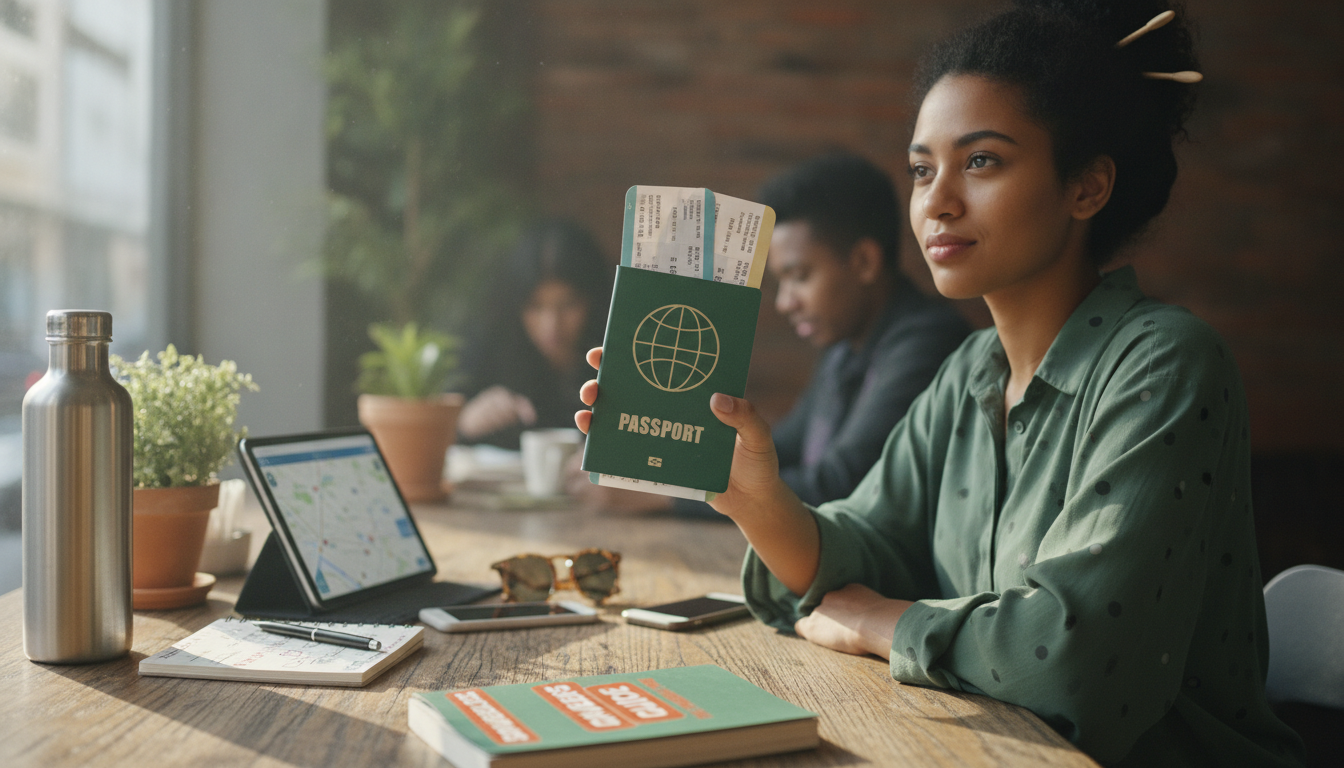
Solo Traveler’s Guide to Staying Safe: Practical Planning, Street Smarts, and a Ready-to-Use Checklist
Solo travel can feel freeing and empowering—especially when safety is planned, practiced, and kept simple. The goal isn’t to be on edge; it’s to reduce avoidable surprises so you can stay present and enjoy the trip. Below is a practical system that covers what to do before booking, while in transit, at your lodging, and out exploring—plus digital privacy, common scams, and a printable checklist routine you can reuse anywhere.
Start with a Personal Risk Snapshot (Not Fear)
Safety planning works best when it’s personal and specific. Instead of trying to prepare for everything, take two minutes to define your trip’s “risk profile” and match it with a few calm countermeasures.
- Define the trip style: a city break, beach resort, road trip, or remote hiking loop all require different habits and backups.
- Pick your top three concerns: theft, harassment, getting lost, health issues, or transportation problems—then assign each a simple response (example: “theft” → split cards/cash + phone lock + keep essentials on-body).
- Set boundaries in advance: late-night cutoffs, alcohol limits, how far you’ll wander alone, and what a “leave now” situation looks like.
- Build predictability: consistent check-in times with a trusted contact, shared itinerary, and one backup contact method if your phone dies.
Booking and Pre-Trip Planning That Reduces Risk
Many solo travel problems start with preventable friction: arriving exhausted at the wrong time, not knowing the neighborhood layout, or scrambling for documents. A little structure up front reduces that.
- Choose lodging with strong basics: well-lit entrances, secure locks, clear self-check-in instructions (or 24/7 reception), and reviews that mention safety and noise.
- Map a “safe corridor”: your airport/station route to lodging plus the nearest pharmacy, clinic/urgent care, and police station.
- Avoid tight arrival windows: land before late night when possible; have a backup plan (alternate route, alternate taxi stand, or a nearby hotel option).
- Make documents resilient: printed copies of passport/ID, insurance details, reservations, and emergency contacts stored separately from originals.
- Confirm transport options: official taxi stands, verified rideshare rules at the airport, transit hours, and what “normal” pricing looks like.
Pre-Trip Safety Planning Checklist (Quick Scan)
| Task | Why it matters | Done |
|---|---|---|
| Share itinerary + lodging address with a trusted contact | Speeds help if plans change or check-ins are missed | □ |
| Save emergency numbers and local embassy/consulate contact | Critical when phone service or internet is limited | □ |
| Set up phone lock, device tracking, and cloud backup | Protects data and helps recover a lost device | □ |
| Check travel advisories and local scam patterns | Improves situational awareness in specific regions | □ |
| Arrange first-night arrival and transport plan | Reduces vulnerability when tired and unfamiliar | □ |
For official pre-departure guidance, review the U.S. Department of State traveler’s checklist. If you’re comparing country-specific conditions, the UK FCDO foreign travel advice can be a helpful cross-reference.
Smart Packing for Safety (Light, Redundant, Low-Drama)
If you prefer a ready-made routine you can keep on your phone and print, consider the Solo Traveler’s Guide to Staying Safe (digital PDF download) for a structured checklist format you can reuse each travel day.
Transit Safety: Airports, Stations, and Rides
Lodging Safety: Room Checks and Daily Routines
Street Smarts: Exploring, Eating Out, and Night Plans
Blending in can be as simple as choosing low-key, practical outfits that don’t draw attention while you’re on the move—options like Liu Jo Women’s Blue Plain Jeans or an easy, breathable piece like the Only Women’s Blue Organic Cotton Skirt can help keep your day-to-night plans comfortable and uncomplicated.
Digital Safety: Phones, Wi‑Fi, and Location Privacy
Common Scams and Social Engineering (How to Say No Fast)
What to Do If Something Goes Wrong
- If lost: step into a shop/hotel, reorient using an offline map, and avoid following strangers to unknown locations.
- If pickpocketed: get to a safe place, cancel cards immediately, file a police report if needed for insurance, and document the timeline.
- If threatened: prioritize distance and visibility; head to staff/security or a busy location; call local emergency services if appropriate.
- If sick or injured: know the nearest clinic, keep insurance details handy, hydrate, and avoid isolating if symptoms escalate. The World Health Organization’s travel health guidance is a strong reference for general preparation.
- After an incident: update check-in contacts, change passwords if devices/accounts were exposed, and adjust routines for the rest of the trip.
A Printable Checklist for Solo Travel Safety
A single checklist reduces decision fatigue—especially on transit days. Use it as a quick “reset” before leaving your room and before getting into any vehicle. Keep one copy on your phone and a printed version in your passport folder for low-battery days. If you want a ready-to-use format instead of building one from scratch, the Solo Traveler’s Guide to Staying Safe (digital PDF download) is designed for quick scanning and repeat use.
FAQ
What are the most important solo travel safety steps before leaving home?
Prioritize solid lodging research, a clear first-night arrival/transport plan, a shared itinerary with check-in times, printed document backups, and basic phone security (lock, tracking, backups). These steps prevent the most common “tired and stuck” scenarios.
How can a solo traveler avoid pickpocketing without buying special gear?
Rely on habits: keep essentials on-body, reduce phone-out moments in crowds, split cards and cash, store bags securely when seated, and stay extra alert at ticket machines and transit transitions.
Is it safe to use public Wi‑Fi while traveling alone?
Public Wi‑Fi can be risky for sensitive activity. Avoid banking and account logins on open networks, turn off Bluetooth/sharing when not needed, and use more trusted connections for anything involving money, documents, or account recovery.














Leave a comment