Vintage Glass Pendant Lighting: LED Pairing & Placement Tips
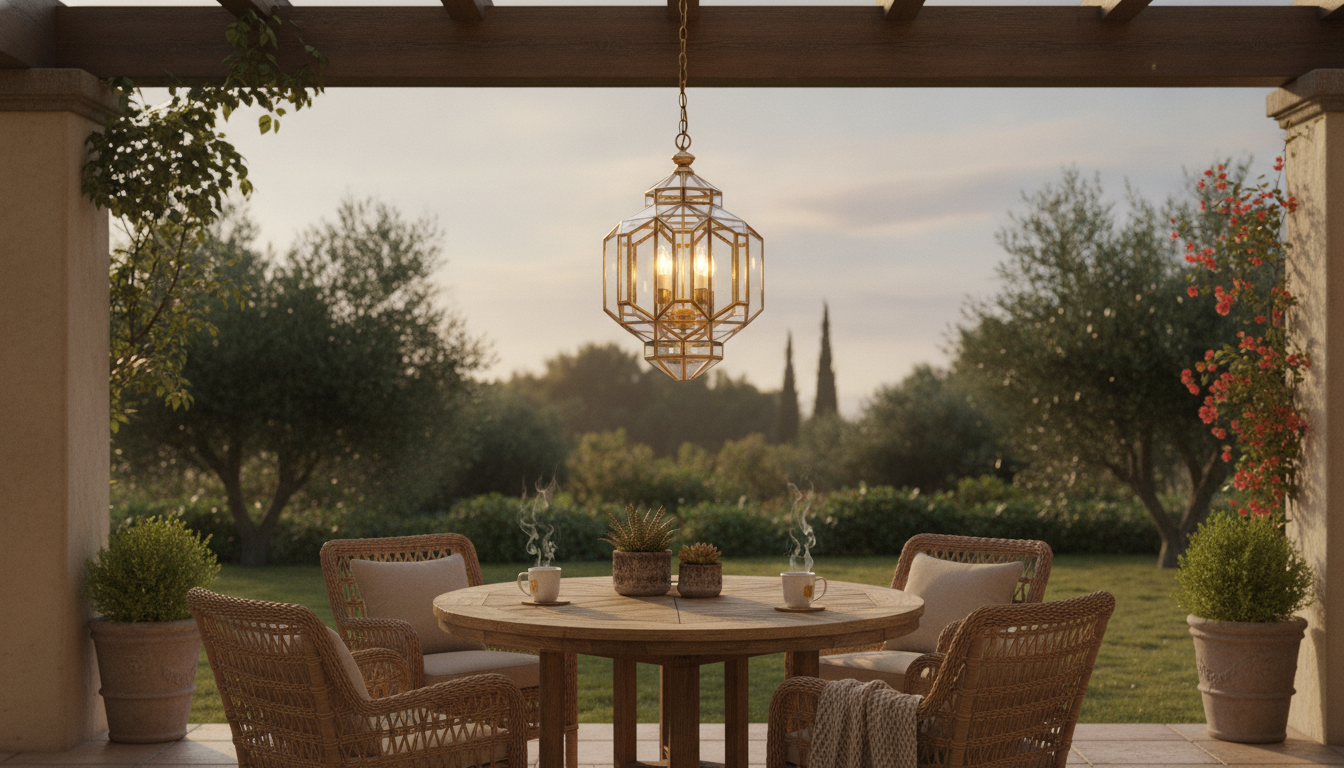
Vintage Glass Pendant Lighting That Feels Classic (and Works Like New)
A vintage glass pendant can add warmth and character while still meeting modern lighting needs. With LED compatibility, the right bulb and placement can deliver efficient illumination indoors, and—when the fixture and location allow—help create an inviting glow for covered outdoor areas. This guide focuses on placement ideas, LED pairing, installation notes, and care so the look stays timeless and the performance stays practical.
What Makes a Vintage Glass Pendant Feel Timeless
Glass has a way of making light feel “alive,” which is a big reason vintage-inspired pendants stay in style. The shade finish you choose also shapes how bright the room feels and how comfortable the light is to live with.
- Glass shade effects: clear glass delivers crisp sparkle and maximum visibility; seeded glass gently breaks up the beam for softer diffusion; frosted glass reduces glare and hotspots.
- Vintage cues: classic silhouettes, curved profiles, and visible filament-style LED bulbs create a period-inspired ambience without the higher energy use of incandescent.
- How glass influences brightness: higher transparency increases apparent brightness; textured or frosted glass reduces harshness and can feel more relaxing.
- Best use cases: kitchens, entryways, stairwells, dining areas, and covered porches or patios where the fixture stays protected.
Indoor vs. Outdoor Use: Where It Works Best
Indoor placement ideas
Indoors, pendants shine when they’re used to define a zone or highlight a surface. Consider island runs, breakfast nooks, hallways, bedside hangs, or a reading corner—then adjust shade size and drop length so the light lands where it’s needed without feeling intrusive.
Outdoor placement ideas (covered and protected)
Outdoors, a glass pendant can be stunning in the right location: covered porches, screened patios, pergolas with a roof, or sheltered entries. Avoid fully exposed rain unless the fixture is specifically rated for wet locations, and make sure the electrical box and cover are appropriate for damp/wet areas.
- Weather considerations: temperature swings can stress glass; placing the pendant under cover reduces risk.
- Finish and hardware: outdoor air can accelerate corrosion; if the pendant will live outside (even under a roof), choose durable finishes and check fasteners periodically.
LED Compatibility: Bulbs, Dimming, and Light Quality
Pairing a vintage glass pendant with LED is mostly about matching the bulb base and choosing light quality that complements the shade.
- Bulb base and wattage: match the socket type and stay within the fixture’s rated maximum wattage. LEDs draw less power than traditional bulbs, but compatibility still depends on the correct base and proper ratings.
- Color temperature: 2200K–2700K reads as cozy vintage warmth; 3000K is a cleaner, brighter look. In multi-pendant layouts, keep bulbs consistent so the row looks intentional.
- Color rendering: choose a higher CRI for accurate colors over kitchen counters and dining tables (especially important for food, textiles, and paint tones).
- Dimming: use a dimmable LED bulb and an LED-compatible dimmer. Mismatches can cause flicker, buzzing, or a dim range that feels too narrow.
- Glare control: if the filament is directly visible through clear glass, consider frosted/opal bulbs or simply lower-lumen bulbs for a more comfortable line of sight.
| Setting | Recommended color temperature | Typical brightness target | Notes |
|---|---|---|---|
| Dining table | 2200K–2700K | Lower to medium | Warm dimming helps create evening ambience; avoid glare with clear glass. |
| Kitchen island | 2700K–3000K | Medium | Prioritize CRI and consistent output across multiple pendants. |
| Entryway | 2700K | Medium | Use a dimmer-friendly LED for flexible brightness throughout the day. |
| Covered porch | 2200K–2700K | Low to medium | Confirm location rating and choose LEDs that handle temperature changes. |
For additional LED basics and efficiency guidance, reference ENERGY STAR’s light bulb resources and the U.S. Department of Energy overview on LED lighting. For outdoor ratings and safety concepts (like damp vs. wet locations), see UL Solutions.
Sizing and Hanging: Getting the Proportions Right
Great pendant lighting looks “meant to be there,” and that comes down to proportion and consistent alignment.
- Drop length basics: maintain comfortable clearance over walking areas; over tables and islands, hang low enough to focus the light without blocking sightlines across the room.
- Multiple pendants: space evenly, align heights, and keep the visual rhythm consistent—especially over long islands or rectangular tables.
- Shade size vs. room scale: larger rooms can support wider glass shades; small nooks benefit from compact silhouettes that don’t visually crowd the space.
- Chain/cord styling: straight drops feel more modern; a slightly longer, relaxed drape can read more vintage depending on the setting.
Installation and Safety Notes to Consider
Care and Maintenance for Glass and Metal
Styling Ideas for Different Spaces
Product Spotlight: A Vintage Glass Pendant Built for Versatile Placement
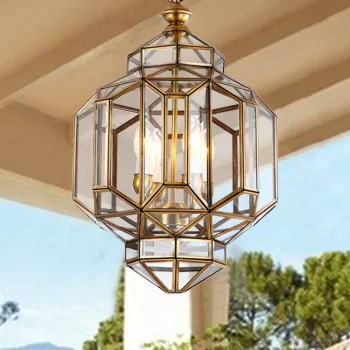
If you want the classic glass-shade character with modern-day efficiency, the Vintage Glass Pendant Light with LED Compatibility for Indoor and Outdoor Spaces is designed to suit living spaces, dining areas, and sheltered outdoor zones where the fixture is protected.
Planning a broader kitchen refresh? A compact appliance can complement improved lighting for day-to-day usability, such as the Compact Countertop Dishwasher with Built-in Water Tank, 360° Cleaning, 5 Wash Cycles for smaller kitchens or apartments.
FAQ
Can a glass pendant light be used outdoors?
Yes, in covered and protected areas when the fixture and electrical setup are rated for damp or wet locations. Avoid fully exposed rain unless the pendant is explicitly wet-rated.
What LED bulb works best with a vintage glass pendant?
Match the socket/base type, choose a warm color temperature (often 2200K–2700K for a vintage feel), and prefer a higher CRI for kitchens. If you want dimming, use a dimmable LED bulb with an LED-rated dimmer.
Why does an LED pendant flicker when dimmed?
Flicker is commonly caused by a non-dimmable LED bulb, an incompatible dimmer, or an out-of-range load. Switching to a dimmable bulb and an LED-compatible dimmer typically resolves it.







Leave a comment