Mecha Silicone Steam Deck Case: Grip & All-Around Cover
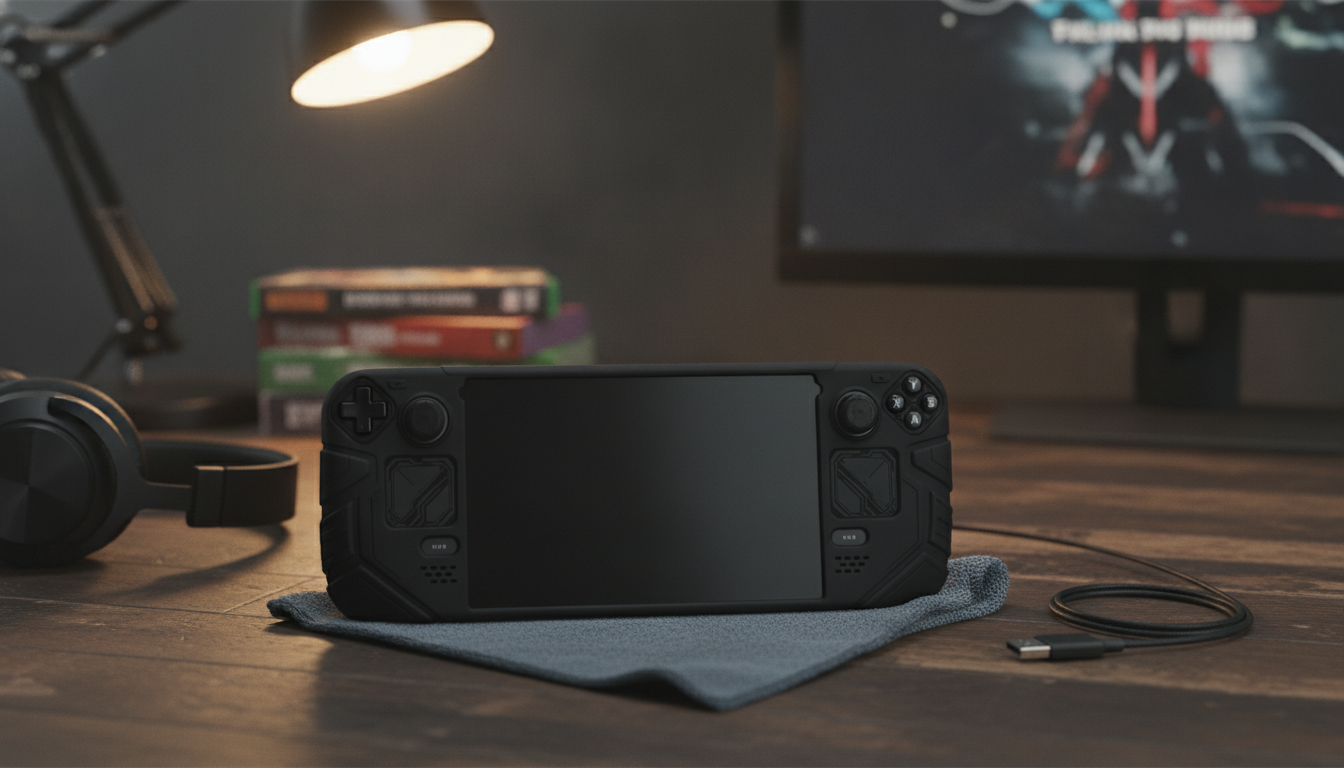
Mecha-Style Protective Silicone Case for Steam Deck OLED & LCD: Grip, Coverage, and Everyday Defense
A silicone case can make the Steam Deck feel more secure in hand while adding a buffer against scuffs and minor drops. This mecha-style shell focuses on all-around coverage and a textured, angular look designed to complement a handheld gaming setup without adding unnecessary fuss. It’s a straightforward upgrade: more grip, more confidence, and less worry about daily handling marks. For more guidance, see [PDF] PROJECT MANUAL – City of Bristow.
What This Case Is Designed to Do
- Add a protective layer against scratches, scuffs, and everyday handling wear
- Improve grip with silicone texture to reduce slip during long sessions
- Maintain access to essential controls, vents, and ports with cutouts
- Add a bold mecha-inspired exterior style that stands out on a desk or dock
Silicone cases work best when they’re treated as an “always on” layer: something that reduces the small, routine risks (desk edges, backpack zippers, quick set-downs between matches) without turning your handheld into a bulky project. If the case seats cleanly and the cutouts line up, it becomes the kind of accessory you forget you installed—until you realize your Steam Deck still looks fresh months later. For further reading, see [PDF] ECO-PRODUCTS DIRECTORY 2008.
Fit and Compatibility: Steam Deck OLED vs LCD
Even when a listing states it fits both Steam Deck OLED and Steam Deck LCD, it’s worth doing a quick alignment check right after install. The goal is a snug perimeter fit that doesn’t tug on controls or crowd vents during heavy play.
- Built for Steam Deck OLED and Steam Deck LCD form factor; confirm your model before purchase
- Check that the case does not interfere with triggers, trackpads, or rear buttons when fully seated
- Ensure vent openings remain unobstructed to preserve airflow during demanding games
- If using a dock or stand, verify the added thickness still fits your docking solution
Quick Compatibility Checklist
| What to check | Why it matters | What to look for |
|---|---|---|
| Model match (OLED/LCD) | Ensures proper alignment | Listing explicitly states Steam Deck OLED & LCD |
| Vent clearance | Helps prevent heat buildup | Openings aligned with top/rear vents |
| Port access | Avoids cable strain | USB-C and audio cutouts wide enough for plugs |
| Controls clearance | Prevents accidental presses | Triggers/trackpads move freely without rubbing |
| Dock fit | Avoids wobble or non-fit | Dock opening accommodates added thickness |
Protection and Grip: What Silicone Does Well
Silicone is popular for handhelds because it strikes a practical balance: softer than a hard shell, more forgiving on impact, and generally more secure in the hand. While it won’t make a handheld “drop-proof,” it can noticeably reduce the cosmetic damage that comes from bumps, desk slides, and quick grabs.
- Silicone helps absorb light impacts and reduces the chance of cosmetic damage from bumps
- The tacky feel improves handling confidence compared with bare plastic shells
- Raised edges (where present) can help reduce direct contact when placed face-down or on a surface
- Best paired with a screen protector for full front-side defense during travel
For everyday use, grip is often the bigger win than impact absorption. During longer sessions, hands can get slightly sweaty, and a grippier surface helps prevent micro-slips that lead to accidental taps, awkward re-adjustments, or that heart-stopping “almost drop” moment when you stand up mid-cutscene.
Mecha Styling: Texture, Lines, and Practical Benefits
Mecha styling isn’t only about looks. The angular lines and panel-like contours can create more natural contact points, especially where your palms and fingers settle during gameplay. A well-executed geometric texture can make the Steam Deck feel more “locked in” without needing aggressive knurling that irritates skin.
- Angular, panel-like surfaces can provide natural grip points for palms and fingers
- Textured sections may reduce visible fingerprints compared with smoother finishes
- A distinctive exterior makes the device easier to spot in a bag or on a shared shelf
- Style should not compromise function—confirm cutouts and control clearance remain precise
For owners who set their handheld on a desk next to a keyboard, controller, or dock, the styling can also help the Steam Deck visually “belong” with other gear. It’s an aesthetic upgrade that still aims to stay functional—so the best sign of quality is consistent button feel and unobstructed vents after installation.
Day-to-Day Use: Docking, Travel, and Cleaning
What’s Included and Product Snapshot
For official device details and support references, Valve’s resources are the most reliable: Steam Deck — Official site and Valve Steam Support — Steam Deck.
Who This Case Suits Best
More In-Stock Finds
- Vintage Glass Pendant Light with LED Compatibility for Indoor and Outdoor Spaces
- Simple Daily Rituals to Soothe Your Mind – Digital Guide
- Solo Traveler’s Guide to Staying Safe | Digital Download
FAQ
Does a silicone case affect Steam Deck cooling?
A well-designed silicone case should keep the Steam Deck’s vents unobstructed, which is key for maintaining airflow during demanding games. After installation, confirm the vent cutouts align cleanly and avoid any cover that blocks intake or exhaust areas.
Will it fit both Steam Deck OLED and Steam Deck LCD models?
It’s made to fit both Steam Deck OLED and Steam Deck LCD, but it’s still important to verify alignment once it’s on. Check that ports, vents, triggers, trackpads, and rear buttons all move freely, especially if you use tight-tolerance accessories like docks.
Can it be used with a dock or stand?
Dock compatibility depends on the dock’s opening size and how much thickness the case adds. If the fit feels tight or the USB-C connection is strained or unstable, remove the case for docking to prevent wear on the connector.













Leave a comment