Men’s 1.5″ Vintage Leather Belt: Needle Buckle Fit Guide
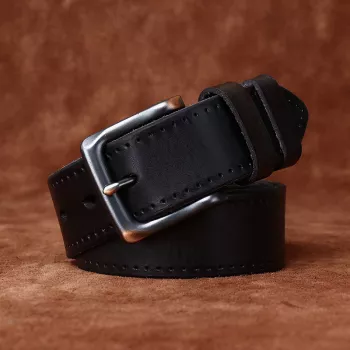
Men’s 1.5 Inch Vintage Leather Belt with Needle Buckle
A 1.5-inch leather belt is a wardrobe workhorse: wide enough for most jean and chino belt loops, structured enough to hold its shape, and classic enough to wear year-round. This vintage-style leather belt pairs a rugged, broken-in look with a straightforward needle buckle that’s easy to adjust and dependable for daily wear.
What Makes This Belt a Daily Staple
The 1.5-inch width hits the sweet spot for everyday pants—substantial enough to look intentional with denim, but still clean with chinos and casual trousers. That standard width tends to glide through most belt loops without twisting, which helps the belt lay flatter and feel more comfortable during long days.
Vintage leather character does a lot of styling work without calling attention to itself. Subtle texture and tonal variation add warmth to simple outfits (a tee and jeans, a flannel and chinos) and keep the look grounded rather than glossy. Pair that with a needle buckle—simple, familiar, and secure—and you get an easy grab-and-go belt that works across seasons, from heavy layers and boots to lighter weekend fits.
Materials and Vintage Finish
Leather is valued for its durability and the way it changes with use. Over time, natural grain, flex points, and light scuffs can create a lived-in look that many people prefer to the “brand-new” sheen of synthetic materials. For a quick background on how leather is made and why it performs the way it does, see Encyclopaedia Britannica’s overview of leather.
A convincing vintage finish typically comes from intentional surface variation—slightly darker edges, a muted (more matte) sheen, and gentle highs and lows in color that mimic years of wear. When choosing a leather belt, consistency still matters: even thickness along the strap helps it keep its shape, and smoother edge finishing can reduce fraying and keep the silhouette looking tidy. If you’re interested in broader efforts around responsible leather supply chains, the Leather Working Group (LWG) is a well-known industry organization that audits environmental compliance in leather manufacturing.
Needle Buckle Basics: Why It Works
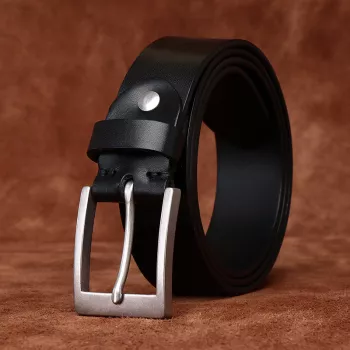
The needle buckle is the classic prong-and-hole system for a reason: it’s quick to use, easy to check at a glance, and holds firmly once set. There’s no guessing whether it latched—if the prong is through the hole, it’s secure.
It’s also practical day to day. If you’re layering (a heavier overshirt or jacket) or you want a bit more comfort after a meal, you can move one hole and immediately feel the difference. Visually, the proportions of a needle buckle pair naturally with heritage staples—work boots, leather sneakers, and a simple watch—without looking overly technical or dressy.
For comfort, aim for snug rather than tight. The belt should prevent waistband sagging, but it shouldn’t sharply crease at the buckle. Over-tightening can create permanent bends around the holes and shorten the strap’s best-looking years.
Fit and Sizing: Getting the Right Length
Sizing is where a great belt becomes a great everyday belt. The most reliable method is to measure a belt you already own: lay it flat and measure from the buckle end (where the leather folds around the buckle) to the hole you use most often. That measurement is the “true fit” reference to compare against a size chart.
Quick Belt Fit Check
| Fit detail | What to look for | Why it matters |
|---|---|---|
| Best hole position | Fastens near the middle hole | Allows room to tighten/loosen over time |
| Tail length | 2–5 inches past the buckle (varies by style) | Keeps the silhouette clean and comfortable |
| Belt loop match | Strap slides through loops smoothly | Prevents twisting and premature edge wear |
| Buckle comfort | No pinching; lays flat at the front | Improves all-day wearability |
How to Style a 1.5-Inch Vintage Leather Belt
With jeans, this width looks natural—especially with straight-leg or relaxed denim. A vintage leather belt complements both raw and washed denim by adding texture at the waist, which helps tie together boots or leather sneakers. If you’re curious how jeans became a lasting staple in the first place, the Smithsonian’s history of blue jeans is a great read.
Care and Maintenance for Leather Longevity
When to Choose a Different Belt Width
Product Details at a Glance
More In-Stock Finds (Limited Quantities)
- Vintage Glass Pendant Light with LED Compatibility for Indoor and Outdoor Spaces ($719.49)
- Simple Daily Rituals to Soothe Your Mind – Digital Guide ($10.99)
- Solo Traveler’s Guide to Staying Safe (Digital Download) ($8.99)
FAQ
How do you measure for the right belt size?
Measure a belt you already wear from the buckle end to the hole that fits you best, then compare that measurement to the sizing info for the new belt. Many people also start by choosing a size about 1–2 inches larger than their pant waist size and aim to fasten on a middle hole for flexibility.
How should a leather belt be cleaned and conditioned?
Wipe the belt with a soft, dry cloth to remove dust and grit, and apply a small amount of leather conditioner occasionally after spot testing. If it gets wet, let it air dry away from direct heat, and store it flat or loosely rolled to reduce creasing.
Is a 1.5-inch belt suitable for business casual?
Often, yes—especially with chinos or clean, dark denim and a simple buckle. If you wear dress trousers with narrow belt loops or prefer a more polished look, a slimmer width and a smoother finish may fit better.











Leave a comment