Birkenstock Women’s Black Leather Slippers: Fit & Care
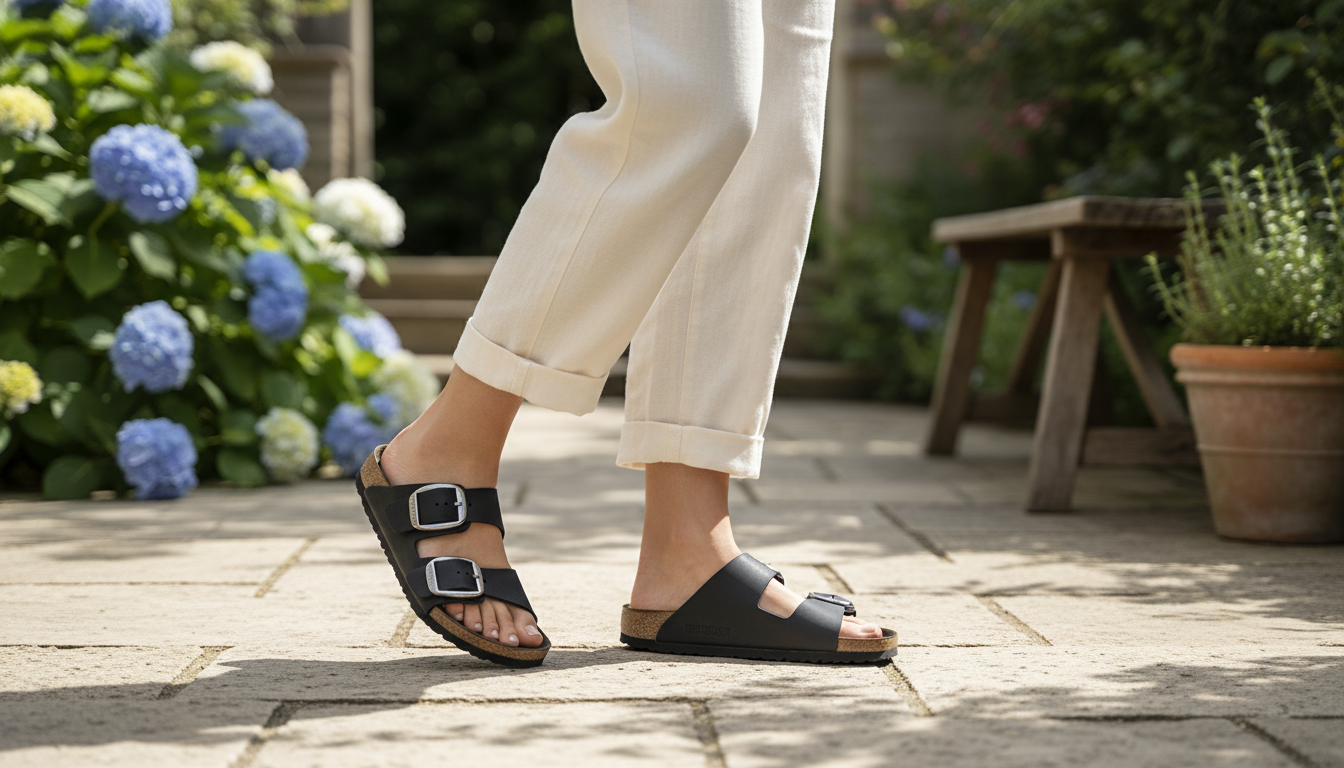
Birkenstock Women’s Black Leather Slippers: Comfort, Fit, and Everyday Wear
Leather slippers can feel like a small upgrade that changes the whole day—especially when the fit supports the foot instead of flattening it. Birkenstock-style slippers are known for a structured footbed, durable materials, and a broken-in comfort that improves with wear. The guide below covers what to look for in women’s leather slippers, how to get the fit right, and how to care for leather so it stays comfortable and presentable.
What Makes Leather Slippers Feel Supportive
Not all slippers are built to handle hours of wear on hard floors. A supportive pair is less about “pillow” softness and more about shape, stability, and materials that hold up over time.
- A structured footbed supports the arch and helps distribute pressure across the foot, which can reduce fatigue during long indoor wear.
- A deeper heel cup helps stabilize the heel and can make the slipper feel more secure than flat, foam-only options.
- Leather uppers often soften over time and can conform to the foot, while still holding shape better than many textiles.
- A durable outsole matters for quick errands, smooth floors, and transitions between indoor and outdoor use.
For general foot-health education and everyday comfort tips, the American Podiatric Medical Association (APMA) is a helpful resource.
Birkenstock Women’s Black Leather Slippers at a Glance
If the goal is a slipper that feels closer to a supportive sandal than a floppy house shoe, black leather is a practical, easy-to-style option that can look polished even with casual outfits.
- Best for: everyday indoor wear with occasional outdoor steps (mailbox, patio, quick errands).
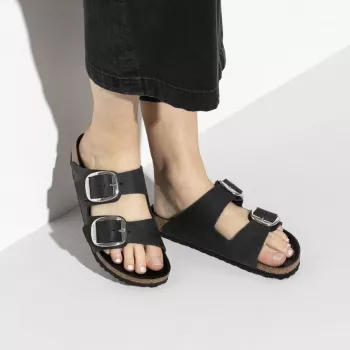
- Look and feel: clean black leather with a more structured, supportive underfoot feel than plush house slippers.
- Budget note: priced at $72.51 USD, often less than many full shoes while still offering a leather upper and a supportive platform.
- Good match for: people who want a slipper that doesn’t collapse, especially on hard floors like tile or hardwood.
Quick Details
| Detail | What to know |
|---|---|
| Product | Birkenstock Women’s Black Leather Slippers |
| Material (upper) | Leather (as listed) |
| Color | Black |
| Price | 72.51 USD |
| Use | Indoor with light outdoor wear |
Fit and Sizing: Getting the “Right” Birkenstock Feel
Supportive slippers tend to be less forgiving than plush pairs, so dialing in fit makes a noticeable difference. The goal is a stable, aligned feel—without pressure points.
- Aim for a secure-but-not-tight fit: toes should have a little room, and the upper should not pinch across the widest part of the foot.
- Expect a break-in period: leather typically relaxes slightly; the footbed can feel firm at first but should become more comfortable with consistent wear.
- Heel placement matters: the heel should sit in the heel cup; slipping forward can create toe crowding and arch discomfort.
- If between sizes: consider how the upper closes and how socks will be worn; a snug fit barefoot can become tight with thicker socks.
A simple at-home check: stand normally, then take a few steps. If your foot is fighting to stay centered (or you’re gripping with your toes), it usually means the fit is too short, too narrow, or the upper is pressing in the wrong spot.
Comfort Over a Full Day: What to Expect
These slippers are designed for support first. That can feel different if you’re used to plush foam, but it’s often a better match for long days at home.
- Firm support vs. soft cushioning: structured slippers often feel more supportive, while plush slippers feel softer but can flatten quickly.
- Hard-floor performance: supportive slippers may feel better on tile and hardwood because the footbed reduces pressure hotspots.
- Warmth and breathability: leather can be comfortable across seasons; pairing with socks can add warmth without overheating as easily as some synthetic liners.
- Noise and traction: a sturdier outsole can feel more stable and may reduce the “shuffling” feeling common with soft-bottom slippers.
Care for Black Leather Slippers
Black leather is forgiving for everyday use, but it still benefits from basic upkeep. The payoff is a slipper that stays comfortable, doesn’t stiffen, and looks presentable for quick steps outside.
- Routine cleaning: wipe leather with a slightly damp cloth to remove dust; let dry away from direct heat.
- Conditioning: use a leather conditioner occasionally to help prevent drying and cracking, especially in low-humidity climates.
- Odor control: allow slippers to air out between wears; avoid storing in sealed bins while damp.
- Sole maintenance: check outsole edges for uneven wear; rotating indoor footwear can extend lifespan.
For broader best practices around responsible leather and care guidance, visit the Leather Working Group (LWG).
How to Style Them Without Looking Like House Shoes
Black leather reads more “intentional” than fuzzy uppers, which makes it easier to wear beyond the couch—without looking like you forgot to change.
Who These Slippers Are (and Aren’t) For
More In-Stock Picks for Everyday Comfort at Home
- Vintage Glass Pendant Light with LED Compatibility for Indoor and Outdoor Spaces
- Simple Daily Rituals to Soothe Your Mind – Digital Guide
- Solo Traveler’s Guide to Staying Safe | Digital Download
FAQ
Do leather slippers stretch over time?
Leather typically relaxes and softens with wear, but it should not be painfully tight at first. A small amount of give is normal; major size issues usually won’t disappear completely.
Are these suitable for quick trips outside?
They can work for light outdoor use if the outsole is sturdy and conditions are dry. For frequent outdoor walking or wet weather, a dedicated outdoor shoe is usually better.
How should black leather slippers be cleaned?
Wipe with a damp cloth, dry away from direct heat, and condition occasionally. Avoid soaking and avoid harsh detergents that strip leather oils.













Leave a comment