Clarks Men’s Leather Boots: Fit, Break-In, Care Tips
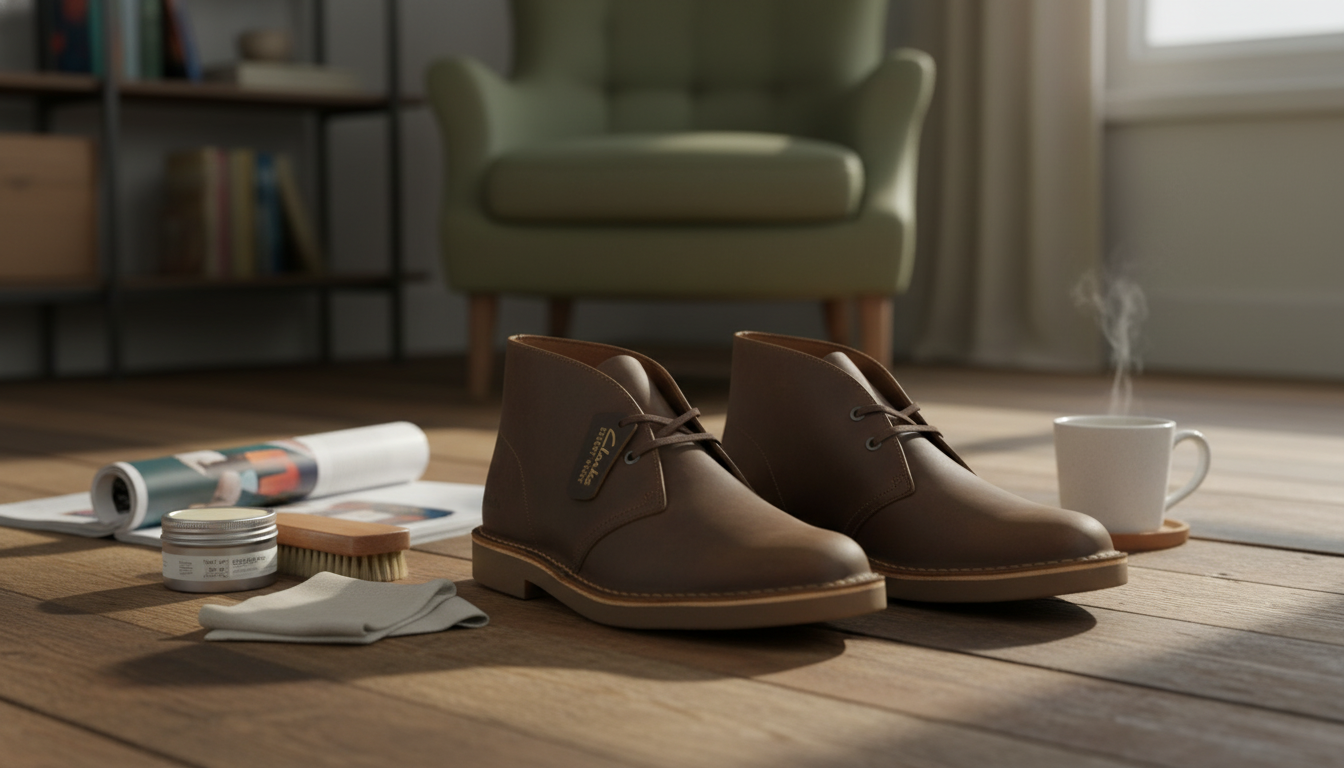
Clarks Men’s Leather Boots: Everyday Comfort, Clean Style, and Long-Wear Durability
Leather boots can pull double duty—sharp enough for work and durable enough for daily wear—when the fit, leather quality, and sole traction align. If you’re shopping for an everyday pair that looks polished without feeling stiff, Clarks Men’s Leather Boots sit in a sweet spot for comfort-focused construction and wearable, low-fuss style. The key is getting sizing and width right, then giving the leather a short break-in before you commit to long days on your feet.
Quick look: what stands out
- Leather-boot versatility: pairs easily with denim, chinos, and casual tailoring.
- Comfort-first brand reputation: Clarks is widely associated with walkable fits and flexible, everyday silhouettes.
- Clean style without the stiffness: a good pick when you want a refined look that doesn’t feel overly rigid.
- Best results with a smart start: dial in size/width and do a light break-in before long wears.
| Item | Details |
|---|---|
| Product | Clarks Men’s Leather Boots |
| Price | $77.51 USD |
| Stock (listed) | 450 |
| Availability | Not specified |
| Product page | https://ryvian.shop/clarks-mens-leather-boots/ |
Materials and build: what to check before buying
At this price point, small construction details make a big difference in how boots feel after a full day. Before checking out, focus on the parts that affect comfort, longevity, and how “dressy” the leather reads.
- Leather type and finish: Smooth leather typically looks cleaner for office settings; textured or lightly distressed leather tends to hide scuffs better over time.
- Lining and insole feel: A cushioned footbed reduces fatigue; if you’re on your feet all day, look for enough arch support and a stable heel cup. For general footwear fit and comfort pointers, the American Podiatric Medical Association (APMA) is a helpful starting point.
- Outsole grip: Match tread depth to where you actually walk—dry pavement needs less bite than wet sidewalks or slushy commutes.
- Stitching and edge finishing: Even stitching and neatly sealed edges usually hold up better, especially around flex points near the forefoot.
- Heel height and toe shape: A moderate heel and a toe box that doesn’t pinch help prevent hot spots and numb toes during long wear.
Fit and sizing: getting comfort on day one
Most boot discomfort comes from buying too small (often in width) or from heel slip that causes friction. A few simple checks help you get closer to a “right out of the box” fit.
- Measure later in the day: Feet often swell slightly; fitting when your feet are at their largest helps prevent a too-snug purchase.
- Wear the socks you’ll actually use: Thick boot socks can change fit dramatically compared with dress socks.
- Check toe room while standing: Aim for a small gap in front; toes shouldn’t press the leather when you step or descend stairs.
- Lock in the heel: Minimal heel lift reduces blister risk. Adjust lacing so the instep feels secure without pressure.
- Width matters as much as length: If the length feels right but the forefoot is tight, a wider option is usually the fix—not sizing up and hoping for the best.
Break-in and comfort: how to avoid hotspots
Even comfortable leather boots need a short “getting acquainted” phase. The goal is to let the upper flex naturally while you protect high-friction zones.
- Start with short wears: Do 30–60 minutes indoors for the first few sessions so the leather softens gradually.
- Use targeted conditioning: A light conditioner can help stiff areas relax, but don’t saturate the leather or it may lose structure.
- Prevent friction early: A thin liner sock, blister patch, or moleskin on the heel can save you from painful break-in days.
- Use a shoe tree between wears: It supports shape, reduces aggressive creasing, and helps boots dry evenly.
- Re-lace for pressure relief: If the instep feels tight, adjust lacing to spread pressure (especially helpful on high-volume feet).
How to style leather boots for work and weekends
A clean leather boot is one of the easiest wardrobe bridges: it can look sharp with business-casual pieces and still feel natural with denim on off days.
Care routine: keep leather looking better for longer
A simple routine does more than keep boots shiny—it prevents premature cracking, salt staining, and sole wear caused by embedded grit. For brand-specific tips, check Clarks’ general guidance on shoe care and cleaning.
If sustainability and traceability matter in your purchase decisions, the Leather Working Group provides information on responsible leather supply-chain practices.
Value and who these boots suit best
More in-stock finds (optional add-ons)
- Simple Daily Rituals to Soothe Your Mind – Digital Guide
- Solo Traveler’s Guide to Staying Safe (Digital Download)
- Compact Countertop Dishwasher with Built-in Water Tank
FAQ
Do leather boots stretch over time?
Leather can relax slightly—mostly in width—and it will conform to your foot shape, but the length rarely increases in a meaningful way. Buy the correct length and use gradual break-in (and light conditioning if needed) rather than sizing down.
How long does it take to break in leather boots?
Many boots feel noticeably better after several short wears, while stiffer pairs can take a couple of weeks of gradual use. Sharp pain, numbness, or persistent toe pressure usually signals a fit issue rather than normal break-in stiffness.
How can leather boots be protected from rain and salt?
Use a leather-appropriate water protector, wipe off moisture promptly, and let boots dry at room temperature. For salt, gently wipe marks with a damp cloth and avoid direct heat, which can dry out and crack leather.














Leave a comment