Coconut Tree Cat Scratching Tower: Hammock + 2 Levels
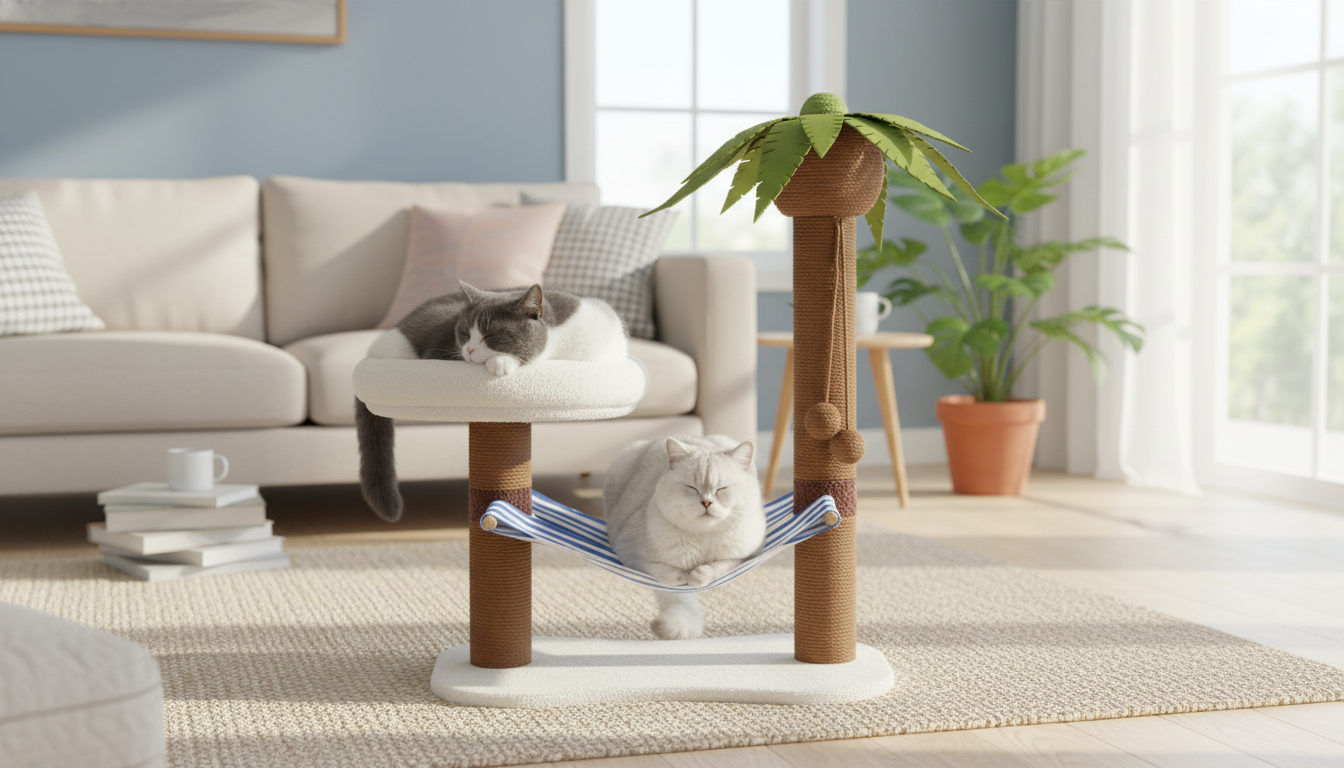
Overview
A scratching tower can do more than protect furniture—it can give cats a dedicated place to stretch, climb, nap, and observe the room. This coconut tree–style tower pairs a playful, tropical look with practical features: a scratchable post, a hammock-style lounge, and two levels for movement and rest in a compact footprint. For many homes, that “all-in-one station” makes it easier to guide daily scratching toward an approved spot while also offering a cozy place to settle down. For more guidance, see [PDF] CURRY HAMMOCK STATE PARK UNIT MANAGEMENT PLAN ….
If you’re exploring a themed option that still behaves like real cat furniture, the Cat Scratching Tower with Coconut Tree Design, Hammock, and Dual Levels is designed to look intentional in a living space while supporting the routines cats repeat every day: scratch, climb, lounge, and watch. For further reading, see Search – Manatee County Property Appraiser.
What makes this tower different
- Coconut tree theme: Adds a decorative, indoor-friendly accent while still functioning as a cat activity hub, so it’s more likely to stay in a “prime cat location” instead of being tucked away.
- Dual levels: Creates vertical interest for climbing and perching without needing a tall, multi-story cat tree that dominates the room.
- Hammock-style resting area: Supports curled-up naps and helps distribute body weight comfortably in a cradled position.
- Natural behavior support: Encourages scratching, stretching, perching, and lounging within one station—useful for busy cats and bored indoor cats alike.
Design, materials, and everyday durability
Scratching is normal, necessary behavior—not “acting out.” Cats scratch to remove old claw sheaths, stretch the shoulders and back, and leave visual and scent marks. Organizations like the ASPCA and the Humane Society of the United States emphasize providing appropriate scratching surfaces as a primary solution to destructive scratching.
For a tower that gets used daily, a few build details tend to matter more than flashy height:
- Stable base over tall profile: Wobble can discourage use, especially for adult cats that jump in confidently or kittens that launch into energetic scratching. A stable, grounded footprint helps the tower feel “safe” under paws.
- Tightly wrapped scratching material: Look for wrap that feels snug, with minimal gaps that can unravel quickly. Durable wrap doesn’t stop wear (scratchers always wear), but it can slow fraying.
- Clean seams and fabric edges: Hammock and platform fabric areas should have neat stitching and tidy edges to reduce premature thread pulls.
- Room-friendly styling: A themed design often blends into living rooms or sunrooms better than a bare post, which increases the odds it stays where your cat actually wants to spend time.
Hammock comfort and the two-level layout
Some cats want to sprawl flat on a platform; others prefer a “nest” shape. Hammocks tend to appeal to cats that curl up tightly or like to sink into a supportive cradle. When the hammock is properly tensioned and the frame is steady, it offers a snug resting option that can feel protected without being enclosed.
The two-level layout can be surprisingly practical in daily life:
- Less crowding in shared spaces: Multi-cat homes can reduce minor squabbles by offering separate resting choices in the same area—one cat can claim the hammock while another takes the perch.
- Better enrichment near windows: A perch level placed by a window turns the tower into a “lookout,” which can help indoor cats stay mentally engaged.
- Predictable routes: Cats recovering from stress often prefer easy, repeatable paths. Clear, simple steps between levels can increase confidence and usage, especially if the tower is the main vertical option in the room.
How to place it so cats actually use it
Placement often determines success more than any single feature. If a cat already scratches a couch corner or doorway trim, that location is valuable information, not a problem to “correct” with distance.
Setup, stability checks, and home safety
Care and cleaning for a fresher lounging spot
Quick feature guide
| Feature | Why it matters | Best for |
|---|---|---|
| Dual levels | Adds vertical variety without a large tree footprint | Cats that like perching and short climbs |
| Hammock lounge | Creates a cozy, cradled sleeping spot | Cats that curl up or nap for long stretches |
| Scratchable post/surface | Supports claw care and stress relief; protects furniture by offering a clear alternative | Daily scratchers and high-energy cats |
| Stable base | Reduces tipping and improves confidence during jumping and scratching | Adult cats, multi-cat homes, energetic kittens |
| Decor-forward design | Makes it easier to keep the tower in a prime location where cats prefer to be | Homes where aesthetics influence placement |
Who this tower fits best
Featured picks in stock
- Cat Scratching Tower with Coconut Tree Design, Hammock, and Dual Levels
- New Puppy Training Starter Guide | Printable Puppy Training eBook for Beginners | 4-Week Puppy Routine, House-Training, Commands, Socialization & More
FAQ
Will a hammock-style cat tower suit larger cats?
It can, but the best fit depends on the hammock’s dimensions and how firmly it’s tensioned. Check any weight guidance provided, confirm the base feels stable, and watch for excessive sagging or reluctance to use the hammock during the first week.
How can scratching be redirected to the tower instead of the couch?
Place the tower right next to the couch corner your cat targets, then reward every use with treats, praise, or play. Add catnip to the scratch surface, consider a temporary scratch pad on the couch corner, and avoid punishment—consistency over 1–2 weeks usually matters most.
Where is the best place to put a scratching tower with a perch?
A spot near a window or in a common room often works well, as long as your cat has clear approach paths and it’s away from loud appliances. Some cats prefer a quieter corner, so adjust based on whether your cat seeks company or avoids heavy foot traffic.














Leave a comment