Classic 1.5″ Men’s Genuine Leather Belt for Work & Jeans
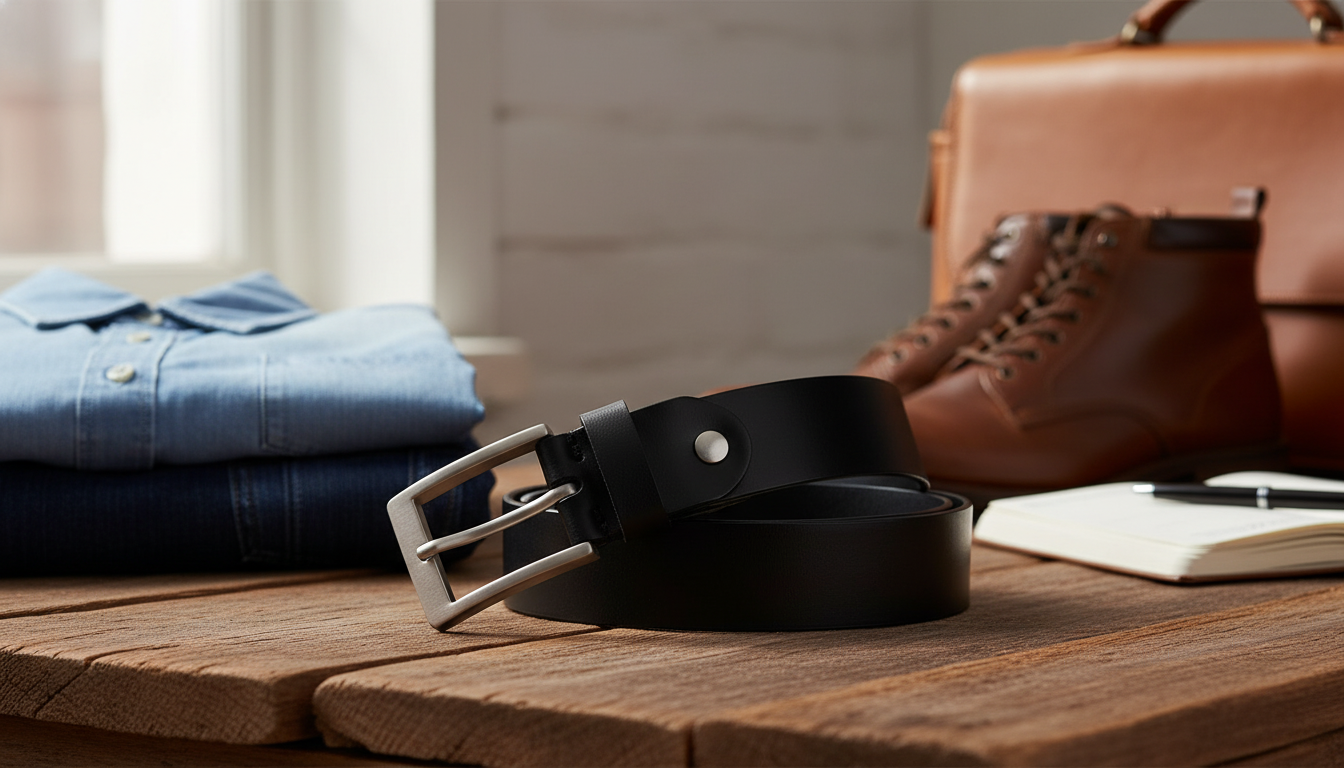
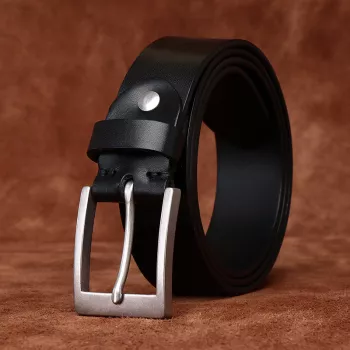
Men’s Genuine Leather Belt – Classic 1.5 Inch Retro Business & Casual Strap
A well-made leather belt is one of the most-used pieces in a wardrobe: it frames an outfit, supports comfort through the day, and quietly signals quality. This classic 1.5 inch genuine leather strap leans into a retro look that works with both business attire and everyday denim, giving a clean, balanced proportion that suits most belt loops and buckles. For more guidance, see Genuine Leather Men’s Belt Casual Waistband Waist Strap Smooth ….
What Makes a 1.5 Inch Leather Belt So Versatile
The 1.5 inch width hits a sweet spot: wide enough to look grounded with jeans, yet refined enough for business-casual outfits. It’s a widely compatible standard for most denim belt loops, and it also works well with many chinos and casual trousers. For further reading, see Best Men’s Belts Reviews and specifications – Page 54… – Revain.
Visually, a medium-width strap tends to balance most body types without skewing too slim (often associated with dress-only belts) or too wide (more workwear-focused). That makes it an easy “bridge” belt—presentable for meetings and dinners, relaxed for weekends.
Retro styling is another advantage. It pairs naturally with classic shoe leathers, heritage watches, and textured fabrics like denim, flannel, and tweed, creating a cohesive look without feeling overly styled.
Material & Build Details to Look For in Genuine Leather
Genuine leather belts can vary in character, and that’s part of the appeal. Expect natural variation in grain, along with small tonal shifts—details that often enhance a retro finish rather than detract from it. Instead of looking flat or synthetic, the strap develops a lived-in look over time.
Pay attention to the edges and overall finishing. Smooth, well-finished edges help reduce fraying and keep the belt looking sharp through repeated wear. If stitching is present, consistency matters: neat, even stitching (especially near the buckle area) signals reinforcement where the belt experiences the most stress.
Hardware is where durability becomes obvious. A sturdy buckle and cleanly punched, firm fastening holes help the belt resist stretching and deformation from daily tightening. In hand, quality leather should feel substantial—flexible, but not flimsy—so it holds its shape instead of collapsing or twisting after a few weeks.
Fit & Sizing: Choosing the Right Length
The easiest way to choose the right size is to measure a belt that already fits well. Measure from the buckle end (where the buckle meets the strap) to the hole you use most often, then select a belt size that matches that measurement. If you’re measuring your waist or pant size instead, allow a bit of extra length so you can fasten comfortably on a middle hole rather than the last one.
A polished fit also depends on the tail length. Aim for a belt tip that extends past the buckle enough to reach the first belt loop and tuck neatly—without excessive overhang that bunches or flaps. If you’re between sizes, sizing up usually gives you more adjustment range and a cleaner drape.
| How you measure | What to use | What a good fit looks like |
|---|---|---|
| Existing belt | Buckle-to-most-used-hole length | Fastens on the middle hole with a short, tidy tail |
| Pant waist size | Waist size + a small allowance | Comfortable fastening without pulling tight at the last hole |
| New outfit check | Try with intended pants | Buckle centered, tail reaches first loop, holes not overstressed |
How to Style a Retro Leather Belt for Business and Casual
For smart casual, try dark jeans with a knit polo or a crewneck sweater. Minimal leather sneakers can work here too, especially when they’re streamlined and well-finished. If you’re building a crisp warm-weather look, consider pairing your belt-and-denim rotation with a bright, pared-back shoe like Alviero Martini Prima Classe Men’s Leather Sneakers – White Spring/Summer Shoes.
Care Tips to Keep Leather Looking Better Over Time
For cleaning, wipe dust and surface residue with a soft cloth. For deeper cleaning, use a leather-appropriate cleaner sparingly and let it dry away from direct heat. Occasional conditioning helps reduce dryness and surface cracking, but heavy application can soften the structure and make the belt feel limp. A straightforward overview of cleaning and conditioning routines can be found in Leather Honey’s leather care basics.
Storage matters more than it seems: hang the belt or lay it flat, and avoid leaving it buckled into a tight circle that sets deep creases. If you have sensitive skin or notice irritation where hardware or leather touches, it can help to keep the belt clean and dry and to watch for potential triggers; the American Academy of Dermatology Association’s guidance on contact dermatitis offers practical tips for prevention.
When This Belt Is the Right Pick
In-Stock Picks to Complete the Look
- Men’s Genuine Leather Belt – Classic 1.5 Inch Retro Business & Casual Strap ($44.51)
- Alviero Martini Prima Classe Men’s Leather Sneakers – White Spring/Summer Shoes ($105.51)
FAQ
Is a 1.5 inch belt considered dressy or casual?
A 1.5 inch belt is typically casual to business-casual. True dress belts are often narrower, and the buckle finish and leather sheen usually determine how “dressy” it reads.
How should a belt fit—what hole should be used most often?
The best fit usually fastens at or near the middle hole, leaving room to adjust both tighter and looser. This also helps the tail length look tidy and avoids overstressing the last hole.
How do you care for genuine leather belts to prevent cracking?
Wipe it clean regularly, condition occasionally to prevent dryness, and keep it away from excessive heat or soaking moisture. Avoid over-tightening and store it flat or hanging so deep creases don’t set in.











Leave a comment